
Sri Lanka Crush Pakistan in One-Sided Thriller at Lahore
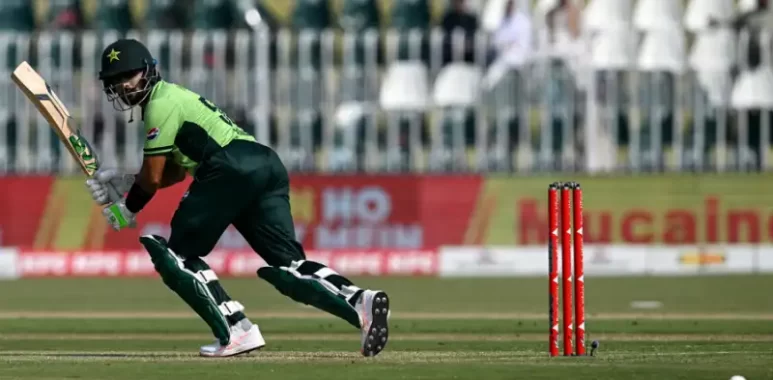
Lahore woke up to a clear October sky on Tuesday, the kind of day that usually promises a proper contest under lights. Instead, what unfolded at the Gaddafi Stadium in the fifth match of the Pakistan ODI Tri-Series was a complete mismatch. Sri Lanka dismantled Pakistan by eight wickets with a staggering 191 balls still remaining, chasing down a modest target with clinical ease and leaving the home crowd in stunned silence long before the floodlights reached full intensity.
The result was never in doubt once Pakistan’s batting line-up collapsed in a heap of soft dismissals and poor shot selection. Sri Lanka’s bowlers, led by a disciplined pace attack and supported by sharp spin, reduced the hosts to a score that barely troubled the visiting openers. By the time the chase began, the only question left was how quickly Sri Lanka would finish the job. They answered that question with ruthless efficiency.
Pakistan won the toss and elected to bat first on a surface that offered early assistance to the seamers but was expected to settle down as the evening progressed. The decision looked reasonable at the time. Within the first ten overs it looked disastrous. Sri Lanka’s new-ball pair of Dilshan Madushanka and Asitha Fernando found immediate movement and bounce. Madushanka struck in the third over when he drew Saim Ayub into a tentative push outside off stump. The edge carried low to first slip where Kusal Mendis held a sharp chance. Pakistan were one down for nine.
What followed was a procession. Babar Azam, still the talisman of this side and the player the crowd had come to see, lasted only eleven balls. He played across the line to a full delivery from Fernando that straightened just enough to beat the inside edge and crash into the stumps. The scoreboard read 17 for two and the familiar murmur of concern began to spread through the stands.
Mohammad Rizwan tried to steady the innings with a mixture of caution and calculated aggression. He drove Fernando through the covers for the first boundary of the evening and later pulled Madushanka for six over square leg. For a brief period it seemed the pair of Rizwan and Abdullah Shafique might rebuild. That hope lasted until the thirteenth over. Shafique, who had looked solid in defence, decided to take on the newly introduced left-arm spinner Wanindu Hasaranga. The ball gripped, turned past the bat, and crashed into the off stump. Pakistan were 48 for three and the middle order was exposed earlier than anyone in the home dressing room would have wanted.
From there the collapse gathered pace. Agha Salman edged a rising delivery from Matheesha Pathirana to the keeper. Salman Agha’s soft dismissal summed up the evening for the hosts. There was little fight, little application, and a worrying tendency to play the ball in the air when the situation demanded the opposite. Hasaranga then claimed his second wicket when he trapped Iftikhar Ahmed in front with a delivery that skidded through. The umpire’s finger went up almost immediately. Pakistan had slumped to 67 for five.
Rizwan remained the sole source of resistance. He reached a hard-fought thirty-seven before Pathirana produced a yorker of genuine quality that crashed into the base of middle stump. The crowd rose to applaud the only Pakistan batsman who had shown any real application. Once Rizwan departed, the tail offered little. Shaheen Afridi swung hard and connected once, clearing the midwicket boundary, but he was soon caught at long-on trying to repeat the shot against Hasaranga. Naseem Shah and Haris Rauf came and went in quick succession. Pakistan were all out for 98 in the twenty-fifth over.
The innings had lasted barely two hours. Sri Lanka’s bowlers shared the wickets around with admirable fairness. Hasaranga finished with three for nineteen, Pathirana took two for twenty-four, and Madushanka and Fernando claimed two apiece. The fielding was sharp throughout. There were no dropped catches, no misfields of note, and a clear sense that every Sri Lankan player understood the importance of maintaining pressure on a surface that rewarded accuracy.
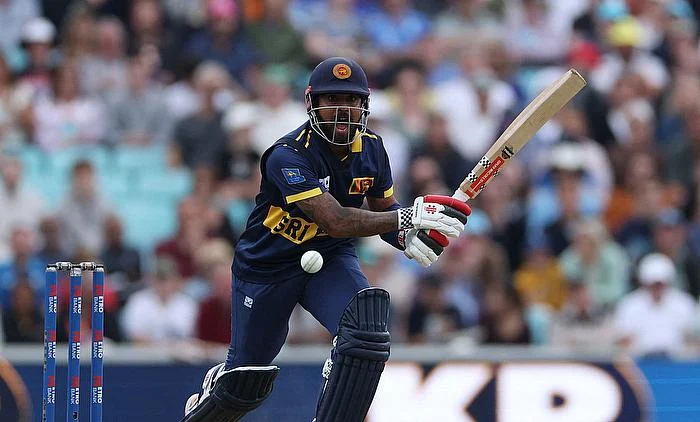
The chase began under lights with Pathum Nissanka and Kusal Perera walking out to a subdued reception. The target of ninety-nine was never going to test them if they applied themselves. Nissanka set the tone immediately. He drove the first ball of the innings from Shaheen Afridi through extra cover for four and followed it up with a crisp pull over midwicket. Perera was more measured at the other end, content to rotate the strike and wait for the loose delivery.
Pakistan’s bowlers tried everything. Afridi went short and around the wicket. Naseem Shah searched for reverse swing. Haris Rauf generated genuine pace. Nothing worked. Nissanka treated the short ball with disdain, pulling anything outside off stump with authority. When spin was introduced in the form of Agha Salman, Nissanka stepped down the track and launched the ball over long-on for six. The fifty came up in the ninth over. The required rate was never an issue.
The only moment of mild concern for the visitors arrived in the twelfth over when Perera attempted to cut a delivery that was too close to his body and edged it to Rizwan behind the stumps. The score was sixty-one for one. Sadeera Samarawickrama walked in and immediately looked composed. He played two elegant drives through the covers and worked the ball into the gaps with soft hands. Nissanka continued his aggressive approach at the other end.
By the fifteenth over the target had been reduced to fewer than thirty runs. The Gaddafi Stadium, which had been full of noise at the start of the day, had fallen quiet. Small groups of fans began heading for the exits. Those who remained watched in near silence as Nissanka reached his half-century with a lofted drive over mid-off. The celebration was muted. He knew the job was almost done.
The winning runs came in the nineteenth over. Samarawickrama pushed a full delivery from Rauf into the covers and set off for a comfortable single. Nissanka was already halfway down the pitch. The scoreboard clicked over to ninety-nine and the Sri Lankan players on the boundary charged onto the field. Nissanka finished unbeaten on fifty-eight from forty-one balls. Samarawickrama was not out on twenty-two. The entire chase had required only 109 balls.
The margin of victory, eight wickets with 191 balls remaining, will stand as one of the most comprehensive results in recent ODI history between these two sides. For Sri Lanka it was the perfect response after a mixed campaign in the tri-series. Their bowling unit had been clinical, their fielding sharp, and their batting ruthless once the target was set. For Pakistan the performance raised serious questions about preparation and mindset. A total of ninety-eight on home soil against a side they have traditionally dominated is difficult to explain away.
In the post-match presentation, Sri Lanka captain Charith Asalanka was measured in his comments. He praised the discipline of his bowlers and the intent shown by Nissanka at the top of the order. He also made a point of acknowledging the support staff and the planning that had gone into the game. Pakistan’s interim captain, speaking to the media shortly afterwards, accepted that the batting had not been good enough. He spoke of the need to learn from the collapse and of the importance of showing greater application in the remaining matches of the series.
The broader context of the tri-series adds weight to the result. With only a handful of matches left, Sri Lanka have now positioned themselves strongly for a place in the final. Pakistan, expected by many to dominate on home pitches, find themselves under pressure. The batting order that looked settled on paper has produced two soft collapses in recent outings. The middle order has struggled to adapt when the top order fails. The bowling attack, while capable of taking wickets, has lacked the consistency required to defend low totals.

Nissanka’s innings will be remembered as the standout individual performance of the evening. His ability to dominate from the outset set the tone for the chase and prevented Pakistan from building any pressure. The ease with which he dealt with both pace and spin suggested a batsman in excellent form and high confidence. Samarawickrama’s calm presence at the other end provided the perfect foil. Together they made a modest total look even smaller.
For the home supporters the evening was a difficult one. Many had arrived early, filled with optimism after recent performances. They left long before the official close, disappointed and frustrated. The result will dominate conversation in cricket circles across the country for days. Questions will be asked about selection, about preparation, and about the mental approach of a side that has shown flashes of brilliance but also periods of alarming fragility.
Sri Lanka, by contrast, will travel with renewed belief. Their bowling attack looks balanced. Their batting has depth. And on this evidence they possess the ability to seize control of a match early and refuse to let go. The tri-series still has matches remaining, and cricket has a habit of producing unexpected twists. Yet after this performance it is difficult to see Pakistan recovering the momentum they once held.
The numbers tell their own story. Pakistan’s ninety-eight was their lowest total in an ODI at home for several years. Sri Lanka’s chase was completed with more than half the allotted overs still available. The margin of victory was emphatic. In the space of a single evening the balance of the series shifted decisively.
As the players left the field and the stadium lights began to dim, the contrast between the two camps was clear. Sri Lanka’s dressing room was filled with quiet satisfaction and the knowledge of a job well done. Pakistan’s was filled with the hard work of analysis and the search for answers. In the days ahead both sides will prepare for the next challenge. One will do so with confidence. The other will do so with the weight of a heavy defeat on their shoulders.
This was not a contest that lingered. It was over almost before it began. Sri Lanka arrived in Lahore with a clear plan and executed it without mercy. Pakistan arrived with expectations and left with a performance they will want to forget as quickly as possible. The final scoreline, Sri Lanka winning by eight wickets with 191 balls remaining, will be recorded in the history books as one of the most one-sided results between these two nations in the modern era. For those who witnessed it, the memory of a home side dismantled so thoroughly will linger far longer.
