
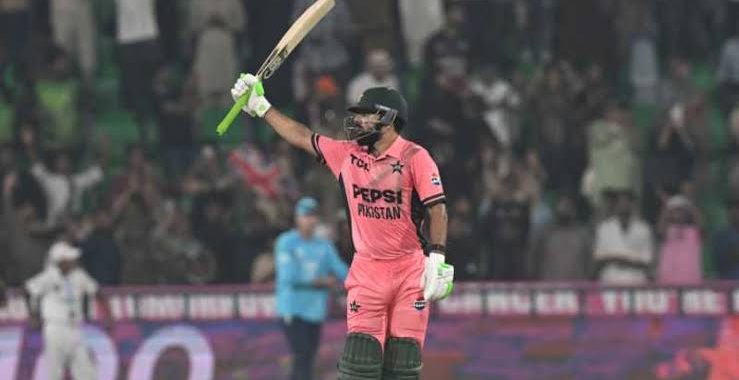
Shadab Khan’s Unbelievable Century Seals One-Wicket Thriller for Pakistan Against England in Lahore
In the floodlit glow of Gaddafi Stadium on a warm October evening in Lahore, cricket delivered one of those nights that remind everyone why the game still holds its grip on the imagination. Pakistan needed 242 to beat England in the fourth match of the ODI Tri-Series. They staggered to 154 for 9. The stands began to thin. Then Shadab Khan, batting at number eight, produced an innings of pure defiance and skill, finishing unbeaten on 113 from 96 balls. With Haris Rauf hanging on for a brave seven not out, the pair added an unbroken 89 for the last wicket. Pakistan won by one wicket with 17 balls remaining. The home crowd that had started heading for the exits stayed to roar until the final boundary.
It was the kind of result that leaves both sets of players staring into the middle distance afterwards. England had looked in control for long stretches. Ben Duckett had made a composed hundred. The bowlers had reduced Pakistan to a position from which recovery seemed impossible. Yet cricket in Pakistan has a habit of rewriting the script when the lights are on and the noise builds. This time the rewrite was complete.
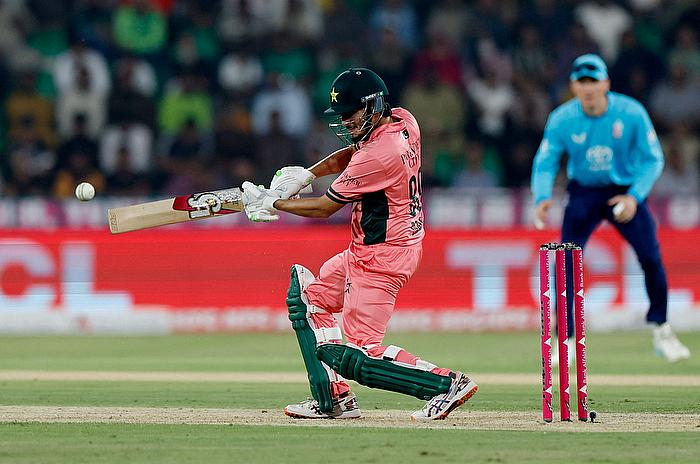
Pakistan won the toss and chose to bowl under the afternoon sun that still held some heat before the evening cooled. England’s top order struggled to settle. Shaheen Shah Afridi, operating with the new ball, struck early. Tom Banton edged to the slips for a quick four. Joe Root, looking for fluency after a lean stretch, managed only five before Afridi found the edge again. Harry Brook, the England captain, was run out in messy fashion for a single. Jordan Cox came and went cheaply. At 52 for 4 the innings was in danger of collapsing completely.
Duckett held it together. The left-hander has made a habit of playing these kind of rescue acts in recent years, and this was another example of his calm under pressure. He left the ball well early, then began to find the gaps with that characteristic punch through the off side and the occasional clip off the pads. Sam Curran joined him and the pair put on 93 for the fifth wicket. Curran contributed a useful 42, playing with the freedom that has marked his best white-ball form. The partnership dragged England past 140 and offered a platform.
Yet the middle order could not build on it. Will Jacks fell for 13. Liam Dawson managed five. Jamie Overton tried to accelerate but was caught for 10. Gus Atkinson, batting at number ten, produced some late fireworks with an unbeaten 36 that included three sixes, but the damage had already been done higher up. Afridi finished with four for 46 from 8.4 overs, reaching his 150th ODI wicket in the process. Arafat Minhas claimed two for 26 with his tidy left-arm spin. England were all out for 241 in 46.4 overs. It felt like a total that could be defended if the bowlers kept their discipline, especially on a surface that offered some grip for the spinners as the ball got older.
Pakistan’s reply began poorly. Fakhar Zaman and Saim Ayub both fell cheaply. Babar Azam, the man the crowd had come to see, lasted only a dozen balls before being bowled. At 31 for 3 the chase looked rocky. Saad Baig offered brief resistance with a brisk 32, and Salman Agha ground out 26, but the scoring rate never quite matched the required rate for long enough. Hasan Nawaz contributed 15. Wickets kept falling at regular intervals. Jamie Overton bowled with real hostility, taking three for 43 from his ten overs. Liam Dawson controlled the middle overs with two for 30. When Razaullah, on debut, was bowled, Pakistan stood at 154 for 9. Eighty-eight runs still needed. Seventeen overs remaining. The last man, Haris Rauf, walking out to join Shadab Khan.
At that moment the match should have been over. England’s fielders were animated. The crowd noise had dropped. Many spectators began making their way towards the gates, convinced the result was settled. Shadab had already been at the crease for a while, batting with the quiet determination of a player who knew the situation demanded something special. He had reached the thirties by the time the ninth wicket fell. What followed was an exhibition of controlled aggression mixed with pure nerve.
Shadab began by picking off the singles, rotating the strike, keeping Rauf away from the strike as much as possible in the early stages of their partnership. Then the boundaries started to come. He pulled Overton for four. He drove Atkinson through the covers. He lofted Dawson over midwicket. The required rate was climbing but still manageable if the pair could keep their heads. Rauf played his part with surprising composure, blocking out the good balls and taking the occasional single when the chance came. The partnership grew. Fifty runs came up. Then sixty. The crowd that had left began to filter back in, the noise rising with every boundary.
England tried everything. Overton returned for a second spell. Atkinson changed ends. Dawson kept probing. The field was spread, then brought in, then spread again. Still the runs kept coming. Shadab reached his fifty. He kept going. The fifty partnership became sixty, then seventy. By the time the target had dropped below thirty, the stadium was full again and the atmosphere electric. Shadab was on 97 when Gus Atkinson trapped him in front. The umpire’s finger went up. England’s players celebrated. For a moment it looked finished. Shadab reviewed. The replay showed a thin inside edge. The decision was overturned. The roar that followed shook the stands.
From there the finish was almost inevitable. Rauf found the boundary that sealed it, driving debutant Henry Crocombe down the ground for four. Pakistan had reached 243 for 9 in 47.1 overs. Shadab finished on 113 not out from 96 balls, with thirteen fours and five sixes. It was his first ODI century. It also took him past 1,000 runs in the format. The 89-run stand with Rauf became the highest tenth-wicket partnership in a successful ODI chase. Player of the match was never in doubt.
For Pakistan the victory completed a statement. They had already beaten Sri Lanka and England once each in the tri-series. This third win confirmed their place in the final. The batting had been fragile for most of the evening, yet the lower order had produced something extraordinary when it mattered. Shaheen’s early breakthroughs and Minhas’s control had kept England in check. Shadab’s all-round contribution, including seven tidy overs for 31 without a wicket, underlined his value to the side.
England were left to reflect on another defeat that slipped through their fingers. This was their third loss in three matches in the tournament. Duckett’s hundred was a high-quality effort, and the total of 241 should have been enough. The bowling had periods of real quality, particularly from Overton and Dawson. Yet the inability to close out the game when nine wickets were down will rankle. Captain Harry Brook has spoken often about the need for his side to develop a harder edge in these moments. This was another example of that edge being tested and found wanting.
The wider context of the tri-series adds weight to the result. With the 2027 World Cup on the horizon, every match carries significance for all three teams. Pakistan, playing at home, have shown the ability to dig deep when the situation turns against them. Sri Lanka remain competitive and will meet Pakistan in the final. England must regroup quickly. Their campaign has been marked by collapses and missed opportunities. The players will travel on knowing that form in these conditions is hard earned and easily lost.
Gaddafi Stadium has seen many memorable nights. The pink kits worn by Pakistan in support of breast cancer awareness added a visual layer to the occasion. The crowd, once it returned, created the kind of wall of sound that visiting teams find hard to ignore. Shadab Khan absorbed that energy and turned it into runs. He played with the freedom of a man who understood the moment demanded risk, yet he never lost control of the strike or the scoreboard. Rauf’s presence at the other end was the perfect foil, a reminder that sometimes the most important contribution is simply not getting out.
In the days that follow, the highlights will be replayed endlessly. The inside edge that saved Shadab on 97. The final boundary that sealed the win. The celebrations that followed, players leaping into each other’s arms as the stadium erupted. Cricket writers will search for the right words to describe an innings that combined skill, courage and timing. Supporters will argue about whether it ranks among the great ODI chases. What cannot be disputed is the impact. Pakistan found a way when none seemed available. England let a winning position dissolve under the lights.
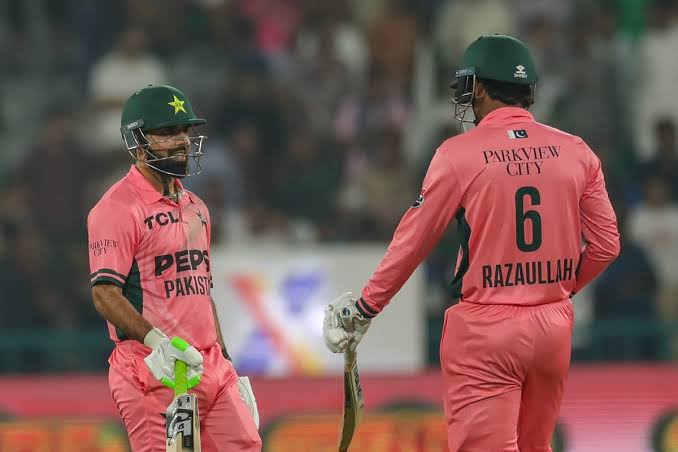
The tri-series moves on. Pakistan head into the final with momentum and belief. England must find answers before the next assignment. For one night in Lahore, though, the story belonged to Shadab Khan and a last-wicket stand that refused to accept the odds. In a sport that so often rewards the unexpected, this was a result that will be remembered for years. The numbers tell part of the tale: 241, 243 for 9, 113 not out, 89 for the tenth. The atmosphere, the tension, and the final roar tell the rest. Pakistan had won by one wicket. The margin was narrow. The manner was unforgettable.
