
New Zealand Women Clinch Dramatic Rain-Affected Victory in Cardiff to Tie ODI Series
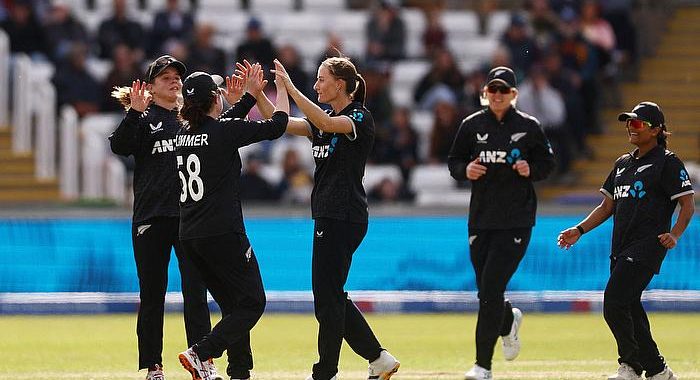
In a match defined by weather interruptions, resilient batting, and clinical chasing under revised conditions, New Zealand Women pulled off a memorable 17-run victory over England Women via the Duckworth-Lewis-Stern method in the third and final ODI at Sophia Gardens in Cardiff on Saturday, 16 May 2026. The result ensured the series ended in a 1-1 draw, providing a fittingly competitive close to what had been a tightly contested tour.
The skies over Cardiff had threatened rain from the outset, and the home crowd at the picturesque Sophia Gardens ground, nestled along the River Taff, sensed early that this might not be a full 50-over contest. Sophia Gardens, with its rich history as the home of Glamorgan County Cricket Club and a venue that has hosted numerous international fixtures, provided a stunning backdrop. The ground’s compact boundaries and lively pitch often reward positive batting, but on this day, the elements would play the ultimate decider.
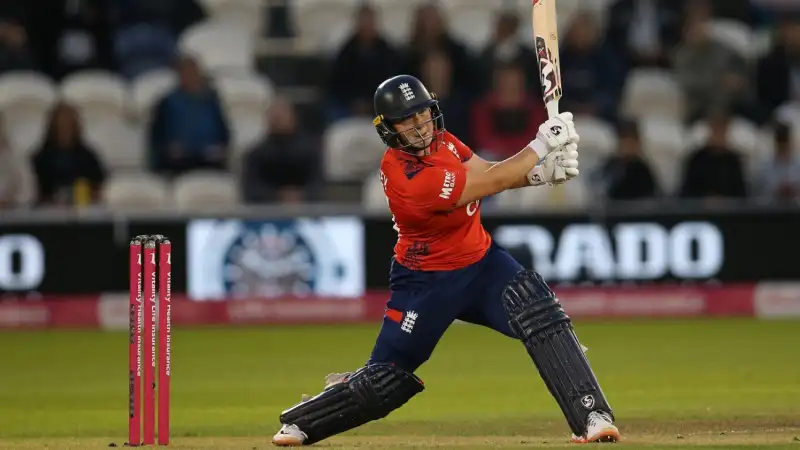
England Women, having won the toss? No, New Zealand won the toss and elected to field first, a decision influenced by the overcast conditions and the prospect of chasing a target in potentially reduced overs. England posted a competitive 181 for 7 in 33 overs after rain reduced the match to 33 overs per side. New Zealand then chased down the revised DLS target of 125 with ease, reaching 141 for 4 in just 24.4 overs. Brooke Halliday was named Player of the Match for her unbeaten 42 off 54 balls that anchored the chase, while Maddy Green earned Player of the Series honors for her consistent performances throughout the ODIs.
This victory was more than just a statistical outcome. It highlighted the depth and fighting spirit of the White Ferns, who had come into the series as underdogs against a strong England side packed with world-class talent. The series had begun with England snatching a nail-biting one-wicket win in the first ODI at Chester-le-Street, where they chased down 211 with just balls to spare. The second match was washed out or resulted in no outcome that favored a decider, setting up this crucial finale in Wales.
As the players took the field, the atmosphere was electric despite the gray clouds. England’s openers, including the reliable Maia Bouchier and others in their top order, started cautiously. The New Zealand bowlers, led by the experienced attack including Lea Tahuhu and others, applied early pressure. England reached 50 runs in just under 12 overs, but wickets began to tumble at regular intervals. Alice Capsey top-scored with a brisk 45 off 45 balls, injecting momentum with her aggressive stroke play. Yet, the Kiwi spinners and seamers kept things tight, restricting the hosts effectively.
Key contributions came from New Zealand’s bowling unit. Players like Eden Carson and Fran Jonas controlled the middle overs, while pacers picked up crucial breakthroughs. England managed to post 181, which looked defendable in normal conditions, but with rain in the air and DLS calculations looming, the pressure shifted to the chase. Extras, including 13 wides, added to England’s total but also reflected some looseness in their bowling later on.
When New Zealand began their reply, the revised target under DLS was 125 in the remaining overs. Suzie Bates and the top order provided a solid platform, but it was the middle order that shone. Brooke Halliday, the left-handed batter known for her composure and elegant stroke-making, played a pivotal role. Coming in at a crucial juncture, she steadied the ship and accelerated when needed, finishing unbeaten on 42. Her innings was a masterclass in building partnerships and rotating the strike efficiently. Isabella Gaze contributed a quick 22 off 23 balls, adding impetus lower down.
Lauren Bell was the pick of England’s bowlers, claiming 3 for 29, showcasing her pace and ability to trouble the batters. However, New Zealand’s batters navigated the conditions superbly, losing only four wickets in total. The chase was completed with more than enough overs to spare, triggering jubilant celebrations in the New Zealand dugout.
This result caps a tour where both teams showcased why women’s cricket continues to grow in popularity and competitiveness. New Zealand, under the leadership of Amelia Kerr, demonstrated remarkable adaptability. Kerr herself is a world-class all-rounder, blending leg-spin with explosive batting, and her influence on the side cannot be overstated. Maddy Green’s series tally of 125 runs underscored her reliability in the middle order, making her a deserving Player of the Series. Green, a veteran of over a decade in international cricket, has evolved into a cornerstone of the White Ferns lineup.
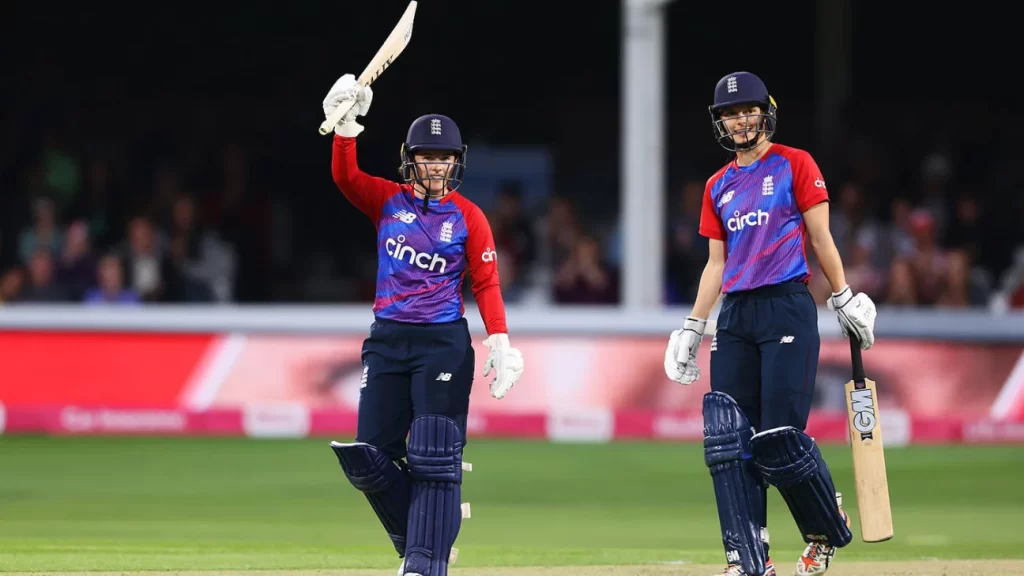
For England, captain Nat Sciver-Brunt and her team will reflect on missed opportunities. Despite strong individual performances like Capsey’s, the inability to close out the game in tricky conditions will sting. England’s depth, with stars like Heather Knight, Sophie Ecclestone, and Lauren Bell, remains formidable, but on the day, execution under DLS pressure favored the visitors. Charlie Dean’s vice-captaincy and all-round contributions were notable, yet the team fell just short.
Looking back at the broader context of the tour, New Zealand arrived in England after solid preparations, including a tour match win. The White Ferns have been building momentum in recent years, particularly after strong showings in global events. Players like Sophie Devine, though more prominent in shorter formats, bring experience, while emerging talents add dynamism. The series draw will boost confidence ahead of future assignments, including preparations for major tournaments.
Cardiff itself embraced the occasion. Sophia Gardens, with its capacity for around 16,000 spectators, was alive with fans from both nations. The ground’s facilities, modern yet retaining a traditional charm with views of the Welsh countryside, provided an ideal setting. Rain delays tested the patience of supporters, but the eventual result delivered drama worthy of the venue’s reputation for hosting thrilling encounters.
Brooke Halliday’s journey to this Player of the Match award is inspiring. Born in Hamilton in 1995, the 30-year-old has become a reliable performer for New Zealand across formats. Her left-handed batting offers balance to the lineup, and her medium-pace bowling provides a useful option. In this match, her calm presence under lights (or rather, the gloomy afternoon) was decisive. She rotated strike intelligently and found boundaries at key moments, ensuring the required rate never spiraled out of control.
Maddy Green, at 33, continues to defy expectations with her consistency. Her right-handed batting and occasional off-breaks make her a versatile asset. Green’s performances across the three ODIs highlighted her ability to anchor innings and accelerate, traits that have defined her career since debuting as a teenager. Her Player of the Series award is a testament to her enduring quality.
The match also underscored the growing professionalism in women’s cricket. Both teams featured well-prepared squads with strong support staff. Coaching influences from figures like Ben Sawyer for New Zealand and Charlotte Edwards for England have elevated standards. Tactical acumen, fitness levels, and mental resilience were on full display, even as rain forced adaptations.
Post-match reactions captured the essence. New Zealand players spoke of their pride in overcoming adversity and the value of team unity. England expressed disappointment but looked forward to the upcoming T20 series, where they would aim to assert dominance. The drawn ODI series sets up an intriguing narrative for bilateral cricket between these two nations, known for their competitive yet respectful rivalry.
As the players shook hands and the crowd dispersed, one could not help but appreciate the resilience shown. Rain-affected games often draw criticism for lacking fairness, but here, both sides adapted admirably, and New Zealand’s superior execution in the shortened chase earned them a well-deserved win. It was a reminder that in cricket, as in life, flexibility and composure under pressure often separate winners from the rest.
This third ODI will be remembered not just for the scoreboard but for the stories within. From Halliday’s anchoring knock to the collective effort of the White Ferns bowlers in the first innings, it encapsulated the thrill of international women’s cricket. For fans in Cardiff and those watching globally, it was a day that reinforced why this sport captivates millions. The series may have ended level, but the memories and lessons will linger long after the players depart these shores.

New Zealand’s triumph in Cardiff also highlights their rising status in the women’s game. With a blend of experience and youth, they are well-positioned for upcoming challenges. England, as hosts of future events and a perennial powerhouse, will regroup stronger. The future of this rivalry looks bright, promising more exciting contests ahead.
In summary, on a rain-interrupted afternoon in Wales, New Zealand Women wrote another chapter in their cricketing journey. A 17-run DLS victory might seem modest on paper, but the context, the execution, and the implications make it a significant milestone. Congratulations to the White Ferns on a hard-fought success, and credit to England for a competitive series that showcased the best of women’s ODI cricket
