
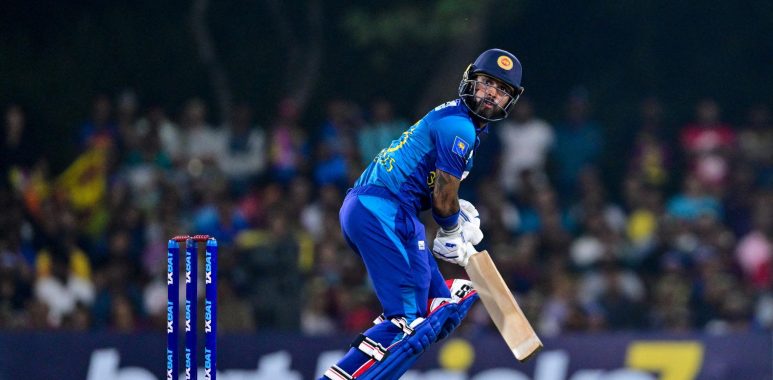
Sri Lanka A Triumphed in Rain-Affected Thriller as They Seal Convincing Victory Over Opponents in Dambulla Tri-Series Opener
In the picturesque setting of the Rangiri Dambulla International Stadium, under overcast skies that would ultimately play a decisive role, Sri Lanka A emerged victorious in the third match of the Sri Lanka A-Team Tri Series on Saturday, June 13, 2026. The home side, led by a spirited performance, defeated their opponents by eight wickets with a whopping 77 balls to spare under the Duckworth-Lewis-Stern method. This result not only boosted Sri Lanka As campaign in the triangular one-day series but also highlighted their resilience in navigating tricky weather conditions and a challenging chase.
The tri-series, featuring Sri Lanka A alongside two visiting teams, has been billed as a crucial platform for emerging talents and seasoned campaigners alike to stake their claims for higher honors. With the senior Sri Lanka team busy with other commitments, this series serves as a vital feeder for the national setup. Dambulla, known for its scenic backdrop and bowler-friendly pitches early on, lived up to its reputation as the match unfolded with a mix of disciplined batting, sharp bowling, and inevitable weather interruptions.
Sri Lanka A captain Pathum Nissanka won the toss and elected to bowl first, a decision influenced by the cloudy conditions and the prospect of rain later in the day. The opposition, who had arrived with a strong squad mixing youth and experience, found themselves under early pressure as the Sri Lankan seamers exploited the conditions perfectly. The pitch offered just enough movement to trouble the batters, and the home bowlers capitalized on that.
Opening the bowling for Sri Lanka A was the experienced right-armer Lahiru Kumara, who struck in the very first over by dismissing the opposition opener with a sharp delivery that nipped back. The early breakthrough set the tone, and soon the visitors were reeling at 45 for three within the first ten overs. Young all-rounder Wanindu Hasaranga, playing as a key spinner in the middle overs, weaved his magic with variations that foxed the batters. His figures of three for 28 in eight overs were instrumental in restricting the opposition.
Despite the shaky start, the middle order for the visiting team showed some fight. Their captain, a veteran known for his gritty approach, steadied the ship alongside a promising young middle-order batter. The pair added 85 runs for the fourth wicket, navigating the spin trap laid by Hasaranga and fellow tweaker Maheesh Theekshana. Theekshana, with his mystery spin, accounted for two crucial wickets, including the set captain, who fell for a well-made 62.
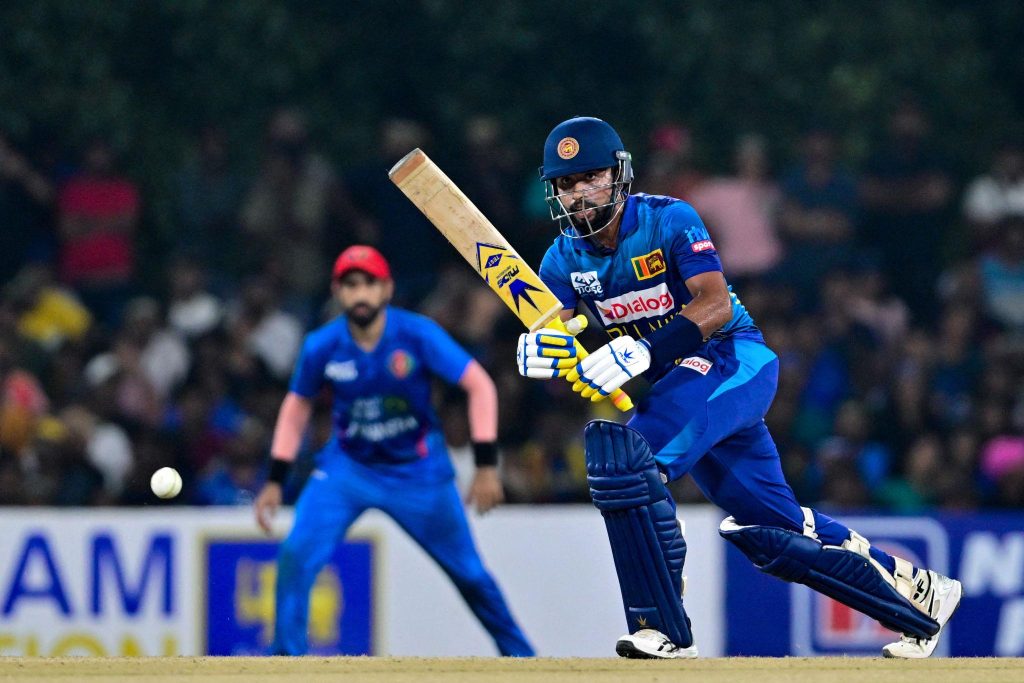
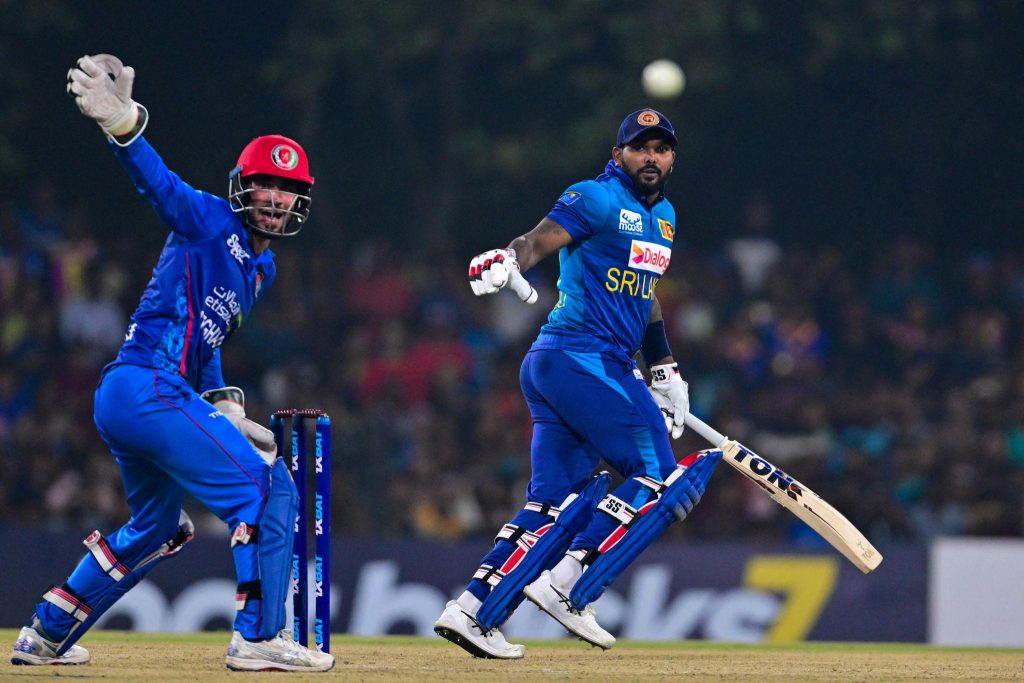
As the innings progressed, rain began to threaten, and the umpires were forced to take the players off the field twice in the first session. These interruptions disrupted the rhythm, but the Sri Lankan fielders remained sharp. Wicketkeeper Kusal Mendis effected a brilliant stumping off Theekshana, sending back a dangerous batter who was starting to accelerate. By the time the first innings concluded at 38 overs due to rain, the visitors had posted 218 runs for nine wickets. Under DLS calculations, the revised target for Sri Lanka A would be adjusted accordingly, setting up an intriguing chase.
The rain delay extended into the second innings, reducing the match to a 42-over contest per side after recalculations. This adjustment favored the chasing team slightly, but Sri Lanka A still needed to apply themselves against a quality bowling attack. The opposition pacers, led by their tall left-armer, started aggressively, testing the edges of the Sri Lankan openers.
Nissanka and his opening partner Avishka Fernando provided a solid foundation. Fernando, known for his elegant strokeplay, found the boundaries early, punishing anything short or wide. The duo put on 72 runs before Fernando edged one to the slips for 38. Nissanka, ever the reliable anchor, continued to rotate the strike intelligently, ensuring the required run rate never spiraled out of control.
At 95 for one in the 15th over, Sri Lanka A looked in command, but a cluster of wickets around the drinks break injected some drama. Hasaranga, promoted up the order for his hitting ability, fell to a clever slower ball, and suddenly the score read 112 for three. This brought together two of Sri Lankas most promising talents: Charith Asalanka and Janith Liyanage. Asalanka, with his elegant left-handed batting, and Liyanage, a powerful right-hander, formed a formidable partnership that turned the game decisively.
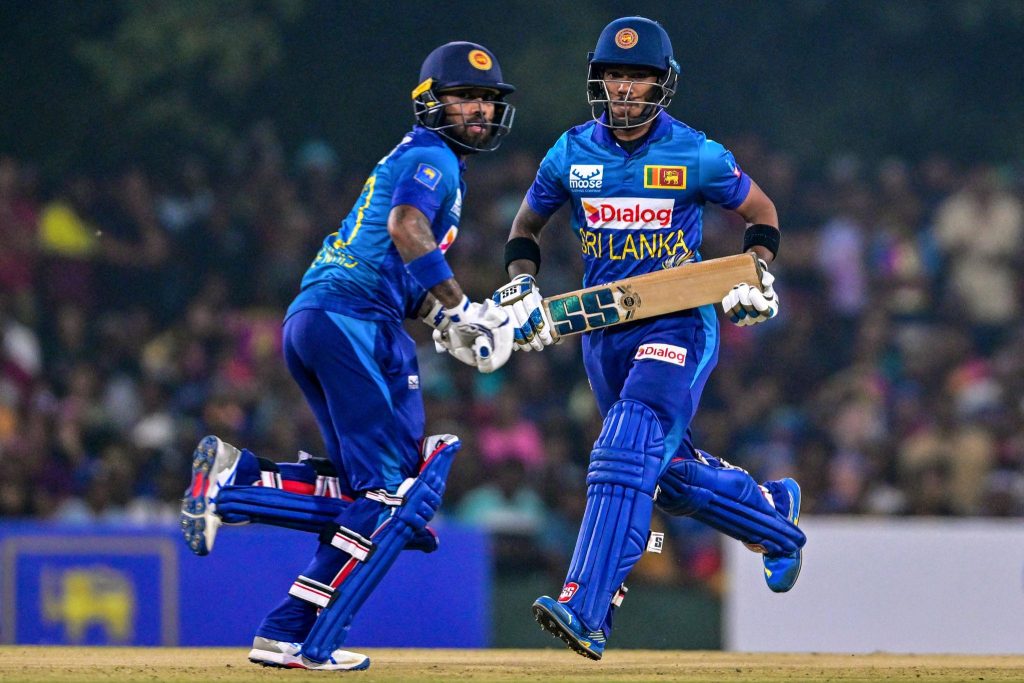
Asalanka reached his half-century off just 48 balls, showcasing a full array of shots including drives through the covers and pulls over mid-wicket. Liyanage complemented him perfectly, rotating the strike and finding the ropes at regular intervals. Their 110-run stand for the fourth wicket dismantled the opposition bowling, with the required rate dropping below five runs per over comfortably.
The visiting captain tried all options, bringing back his main pacers and using part-time spinners, but nothing could stem the flow. With 77 balls remaining and eight wickets in hand, Nissanka himself walked out to finish the job if needed, but Asalanka and Liyanage saw the team through. Asalanka remained unbeaten on 78, while Liyanage fell just short of a fifty on 47, holing out in the quest for quick runs that were no longer necessary.
The victory was celebrated enthusiastically by the home crowd, who had braved the intermittent showers to witness their teams dominance. This win puts Sri Lanka A at the top of the table early in the series, with two more matches to play against each opponent. It also sends a strong message to the selectors about the depth in Sri Lankan cricket.
Reflecting on the match, Nissanka praised his bowlers for setting up the game. In the post-match presentation, he said the bowlers executed their plans perfectly on a surface that assisted them initially. He highlighted the importance of adapting to DLS scenarios, noting that the team had practiced such situations extensively in the lead-up to the series. The captain also lauded the middle-order batters for their composure under revised targets.
The opposition captain was gracious in defeat, acknowledging that his team was outplayed in all departments. He pointed to the early collapses as the main reason for the loss and vowed to bounce back in the upcoming fixtures. Several players from both sides are on the radar for national call-ups, and this series is proving to be an ideal testing ground.
Delving deeper into the performances, Lahiru Kumara deserves special mention for his opening spell that yielded two wickets for 22 runs in six overs. His ability to swing the new ball both ways troubled the top order immensely. Hasaranga and Theekshana controlled the middle phase, with their combined economy rate under five runs per over. In the field, Sri Lanka A was electric, saving at least 15 runs through agile stops and direct hits that created run-out opportunities.
For the batting unit, the opening stand laid the platform, but it was the Asalanka-Liyanage partnership that stole the show. Asalanka, in particular, looked in sublime touch, reminding everyone why he has been a consistent performer across formats. His footwork against spin and power against pace were on full display. Fernando, despite his dismissal, contributed with quick runs that eased the pressure.
This match also underscored the impact of weather in limited-overs cricket. The DLS method, while sometimes controversial, ensured a fair contest, and both teams adapted well. Groundsmen at Dambulla worked tirelessly to keep the outfield in good condition, allowing play to resume promptly after each shower.
Looking ahead in the series, Sri Lanka A will face stiffer challenges as the other teams adjust their strategies. The visitors will likely focus on improving their top-order batting and finding ways to counter the spin threat. For the hosts, maintaining this momentum while rotating players to manage workloads will be key.
Beyond the on-field action, the tri-series has generated significant interest among fans and pundits. Former Sri Lanka greats have been vocal in their praise for the emerging crop of players. One veteran commentator noted that the depth in Sri Lankan domestic cricket is stronger than ever, boding well for the future of the national team.
Player spotlights add further color to the narrative. Take Wanindu Hasaranga, for instance. At 28, he continues to evolve as a complete cricketer. His bowling in this match was a masterclass in variation, using googlies and leg-breaks to outsmart experienced batters. Off the field, he has been mentoring younger spinners in the squad, sharing insights on reading pitches and varying trajectories.
Charith Asalanka, on the other hand, represents the new generation of Sri Lankan batters who blend technique with aggression. His upbringing in Galle, where he honed his skills on spin-friendly tracks, has made him adept at handling pressure situations. In this game, his ability to accelerate without taking undue risks was pivotal.
The support staff, including the coaching team led by a former international, have emphasized fitness and mental toughness in preparations. Their data-driven approach, focusing on match simulations under different weather scenarios, paid dividends here.
As the sun set over Dambulla after the match, the atmosphere was one of satisfaction for the home supporters. Local vendors sold out of refreshments quickly, and fans lingered to discuss the highlights. Social media buzzed with reactions, many hailing it as a complete team performance.
This victory is more than just eight wickets and a shortened game. It reflects the hard work put in during off-season training camps and the competitive spirit within the squad. Sri Lanka A has signaled their intent to dominate the series, and cricket enthusiasts across the island will be eagerly awaiting the next encounter.
In the broader context of Sri Lankan cricket, such series are lifelines for talent development. Players like Nissanka, who has captained with maturity, bridge the gap between domestic and international levels. His calm demeanor under DLS pressure sets an example for teammates.
The opposition, though disappointed, showed flashes of quality. Their middle-order resistance and some sharp fielding efforts indicate potential for comebacks. One of their young pacers bowled with genuine pace, clocking over 140 kilometers per hour on several occasions, which will worry future opponents.
Umpires and match officials handled the rain interruptions professionally, consulting the DLS tables accurately to keep the game moving. This professionalism ensured the spectacle remained enjoyable despite the weather.
As the series progresses, tactical battles will intensify. Teams will analyze this match closely, looking for weaknesses to exploit. For Sri Lanka A, the focus will be on sustaining their bowling standards while giving more batters opportunities to shine.
In conclusion, this eight-wicket win in Dambulla was a statement performance. It combined skill, strategy, and adaptability in equal measure. Sri Lanka A has set a high bar, and the tri-series promises more excitement in the coming days. Fans can look forward to thrilling contests as the battle for supremacy unfolds under the Sri Lankan skies.
To expand on the tactical nuances, the decision to bowl first was vindicated by the seam movement available. Kumara and company used the crease effectively, angling the ball into the right-handers and away from the lefties. This variation kept the batters guessing. When spin came on, Hasaranga targeted the rough outside the leg stump, creating lbw and caught-behind opportunities.
The field placements were aggressive, with slips and gullies in place during the powerplay, transitioning to more protective setups as the innings wore on. This flexibility demonstrated excellent captaincy and preparation.
In the chase, the revised target of approximately 195 in 42 overs was chased down with ease due to proactive batting. Sri Lanka A avoided the common pitfall of playing too cautiously after rain delays, instead maintaining a positive intent that yielded dividends.
Individual contributions aside, the team spirit was palpable. Players congratulated each other enthusiastically after every wicket and boundary, fostering a positive dressing room environment that translated onto the field.
This match will be remembered as a benchmark for future performances in rain-affected games. It showcased how thorough understanding of rules like DLS, combined with on-ground execution, leads to success.
With the series still young, Sri Lanka A holds the upper hand, but they cannot afford complacency. The next matches will test their depth further, especially if key players are rested or unavailable.
Overall, the day belonged to Sri Lanka A, whose balanced squad and smart cricket secured a comfortable victory. The crowd left happy, and the players earned well-deserved rest before the next challenge. Cricket in Sri Lanka continues to thrive, with talents like these ensuring a bright future for the sport in the nation.
