

EA Sports UFC 6 Review: The Octagon Feels Alive Again
By the time you read this, it’s been just over a week since EA Sports UFC 6 dropped on June 19, 2026. I’ve been glued to my PS5 since early access, logging way too many hours in the Octagon, and honestly? This one feels special. Not revolutionary in every way—EA Vancouver didn’t reinvent the wheel—but it’s the most polished, immersive, and downright fun UFC game they’ve ever shipped. If UFC 5 was a solid contender that left you wanting more, UFC 6 steps up like a champion who’s trained smarter, not just harder.
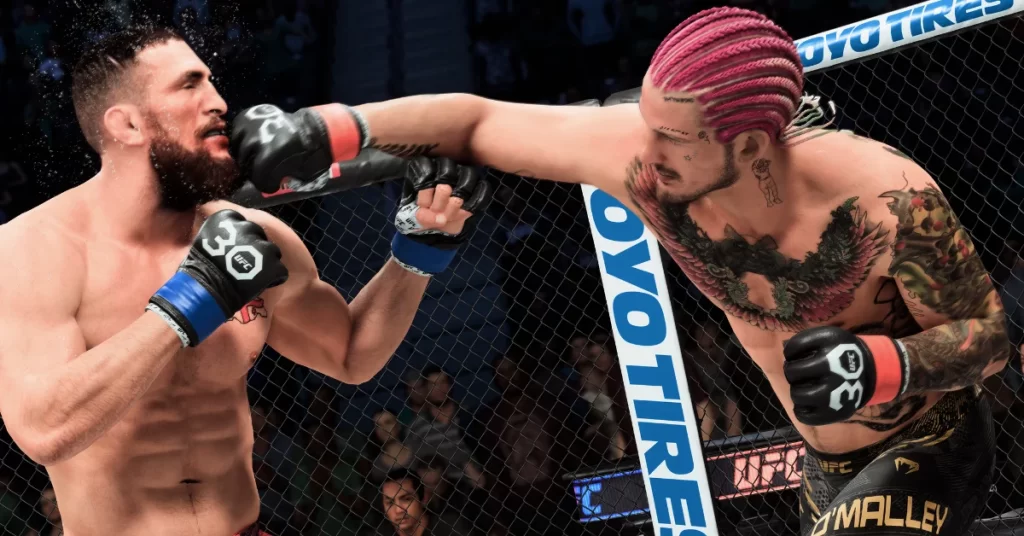
Let me back up. I’ve been playing these games since the THQ days, back when it was all about that raw, arcade energy mixed with simulation. EA took over and the series has evolved in fits and starts. UFC 4 brought creation tools and some flair, UFC 5 added that brutal damage system and Frostbite visuals that made fighters look like they were bleeding real blood. But it still felt a bit hollow in places—samey fighters, grappling that could frustrate, and a career mode that grinded more than it inspired. UFC 6 builds on all that and finally delivers a game that feels powered by fighters, as the marketing says. And it mostly lives up to the hype.
Presentation and Fighter Fidelity: Next-Gen Done Right
Walking out to the Octagon in UFC 6 hits different. The visuals are stunning. Markerless Capture and Sapien Technology have turned the roster into living, breathing athletes. Fighters don’t just look like their real-life counterparts—they move like them. Alex Pereira’s left hook has that signature wind-up and snap. Max Holloway dances on his toes with that relentless volume-punching rhythm. Even mid-tier guys like Dominick Cruz have unique footwork that makes you feel the difference between a slick counter-striker and a pressure monster.
There are over 1,000 new animations. Signature strikes, idle movements, head sways, lunges—it’s all there. The crowd atmospheres feel electric too, especially in big title fights. Lights, pyrotechnics, Bruce Buffer’s voice booming… it’s the full spectacle. And the damage? Man, it’s visceral. Faces swell realistically, cuts open up, and that Frostbite-powered ragdoll physics in Real-Time Contact makes every big shot land with weight. You can feel when a strike connects clean versus glancing off a block. No more floaty hits that look impressive but lack impact.
One small gripe: some legacy animations from previous games creep in during certain transitions, and it can break the immersion just a tad. But overall, this is the best-looking MMA game ever made. On PS5, it runs buttery smooth at 60fps with ray tracing that makes sweat and blood glisten under the arena lights. If you’re on a big OLED, it’s jaw-dropping.
Gameplay: Flow State, Striking, and the Grind of Realism
The core fighting loop has seen the biggest upgrades. Striking feels more fluid and responsive. Timing windows are tighter, but rewarding. You can push strikes through, deflect, or make them bounce off blocks in satisfying ways. Defense has been expanded with four new styles: Balanced, Sturdy, Evasive, and Philly Shell. This adds real strategy—do you shell up like a boxer or slip and counter like a karateka?
Then there’s Flow State. This is the big new mechanic, and it’s polarizing. As you fight in your chosen style—whether it’s pressure, counter-striking, or grappling dominance—you build momentum. Hit the threshold, and time slows a bit, your focus sharpens, and you get temporary buffs tailored to your fighter. It can turn a fight around dramatically. I love it in single-player; it feels cinematic, like you’re channeling that “limitless” fighter IQ. Online? It can feel a bit cheap if your opponent activates it at the perfect moment. Some reviewers called it a misstep, but after dozens of hours, I think it adds excitement without breaking the simulation too much. EA has already patched some visual weirdness around it.
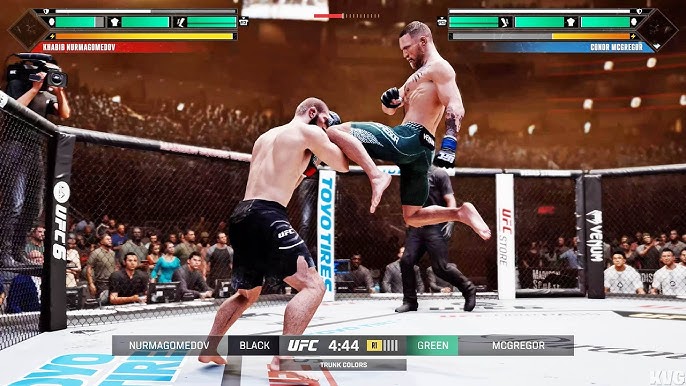
Grappling remains the weakest link, unfortunately. It’s improved with better transitions and ground control, but it still feels a bit clunky compared to the stand-up game. Submissions and scrambles can devolve into button-mashing or awkward positioning. It’s authentic to how messy real ground game can be, but it doesn’t quite match the polish of the striking. Veterans will adapt, but newcomers might get frustrated here.
Online play has crossplay (a huge win), but latency can spike in some matches. Matchmaking is solid, though, and ranked feels competitive without being toxic right out of the gate. Quick matches and custom rulesets keep things fresh for casual play.
New Modes: Finally Some Story and Legacy
This is where UFC 6 shines brightest. The Legacy is a narrative-driven prologue following a fighter named Chris Carter. It’s not Shakespeare— the story is a bit by-the-numbers rags-to-Octagon tale—but the presentation is excellent. Cutscenes, training montages, rivalries… it pulls you in and serves as a perfect tutorial ramp into the full game. Voice acting is decent, and the choices you make early on carry some weight.
Hall of Legends is an absolute gem. Interactive museums dedicated to fighters like Max Holloway, Alex Pereira, and Zhang Weili. You recreate iconic moments with specific objectives—like landing 100 significant strikes in a round à la Holloway vs. Kattar. It’s part documentary, part challenge mode, and it celebrates UFC history beautifully. I spent hours here just geeking out over the lore and trying to match real fight stats. This needs to be in every sports game.
Career Mode has been overhauled with way more decision points—10x more than UFC 5, apparently. Social media interactions, sponsor deals, training choices, risk-reward events… your path feels personal. You can chase multiple belts, including the BMF. The calendar system is more realistic, and the new Hub makes managing your fighter less of a chore. It’s still a bit grindy (perks and attribute gains take time), but the narrative beats and variety make it the deepest yet.
There’s also The Gym, which seems geared toward casual practice and skill-building with friends or AI. Overall, the mode variety is excellent—no Ultimate Team bloat at launch, which is refreshing. EA seems to have listened to complaints about monetization.
Roster and Content Depth
The roster is stacked with current stars, legends, and prospects. Over 1,000 new animations mean even similar-weight-class fighters play differently. New additions and post-launch plans (via Fighter Pass in Ultimate Edition) keep it fresh. Custom fighter creation is as deep as ever, with tons of options for your created star to import into Career or online.
Sound design is top-tier: bone-crunching impacts, corner advice, dynamic commentary. The soundtrack features big names like Cypress Hill, Kendrick, and Bad Bunny—energetic without being overbearing.
Minor Issues and the Long Game
No game is perfect. Online stability had some early crashes that EA is patching. Grappling needs love in future updates. Career can still feel like a marathon if you’re not into the simulation side. And while Flow State is cool, balancing it for all playstyles will be key.
Microtransactions are light so far—mostly cosmetics—which is a relief after years of EA scrutiny.

Final Verdict: Worth Stepping Into the Octagon
EA Sports UFC 6 is the best entry in the series to date. It scores an easy 8.5/10 from me. The fighter individuality, stunning visuals, engaging new modes, and refined stand-up make it a must-play for MMA fans and fighting game enthusiasts alike. It celebrates the sport’s stars and stories in a way no previous UFC game has. If you’ve been waiting for the franchise to truly deliver on its potential, this is it.
Is it flawless? No. But it punches way above its weight. Whether you’re recreating Pereira’s highlight-reel KOs, grinding for that undisputed belt in Career, or just messing around in The Gym, UFC 6 delivers that “as real as it gets” feeling better than ever. Turn on the PS5 or Xbox, lace up those virtual gloves, and step in. The Octagon is calling—and this time, it feels alive.
