
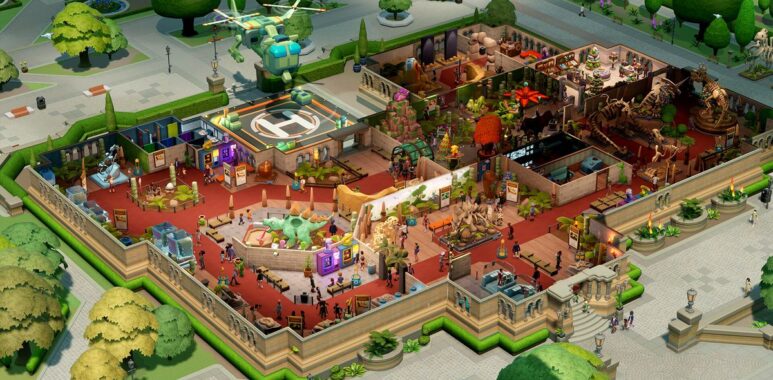
Two Point Museum: Curating Whimsy and Strategy in Two Point County
Launched on March 4, 2025, for PC, PlayStation 5, Xbox Series X|S, and with a planned release for Nintendo Switch 2 later in 2025, Two Point Museum is the third chapter in Two Point Studios’ acclaimed management simulation series, following the wildly successful Two Point Hospital (2018) and Two Point Campus (2022). Published by SEGA, this quirky tycoon game transports players to the eccentric Two Point County, where they take on the role of a museum curator tasked with building, decorating, and managing museums filled with bizarre exhibits—from dinosaur skeletons and sentient plants to haunted relics and alien artifacts. With a Metacritic score of 89, a 94% positive rating from over 4,800 Steam reviews, and glowing praise for its charm and depth, Two Point Museum has solidified its place as a standout title of 2025. This article delves into the game’s development, gameplay mechanics, technical artistry, cultural resonance, and community reception, exploring why it’s a must-play for fans of simulation games and cozy chaos alike.
 The seeds for Two Point Museum were planted during the development of Two Point Campus, as Two Point Studios sought a fresh setting to expand their signature blend of humor and management. Announced on August 14, 2024, via a teaser trailer, the game was fully unveiled at Gamescom 2024, generating buzz with a playable demo and cryptic newsletter puzzles that teased its expedition system. Inspired by real-world museums and classics like Theme Park, the developers aimed to create a sandbox where players could craft unique spaces while managing the chaos of quirky guests and fragile artifacts. Co-founder Mark Webley emphasized the goal of “giving players the tools to tell their own stories,” moving away from the rigid room templates of past titles.
Built on an upgraded version of the Two Point Campus engine, the game introduced flexible partition walls and a dynamic expedition system, allowing for greater creative control and strategic depth. The team at Two Point Studios, a small but passionate group based in Farnham, UK, collaborated with SEGA to refine progression, replacing the series’ traditional three-star system with an endless star mechanic to encourage long-term play. Challenges included balancing the complexity of expeditions with the series’ accessible charm, with lead designer Luke Finlay-Maxwell ensuring each exhibit category (e.g., Prehistoric, Supernatural) offered unique gameplay. Pre-order incentives, such as the Sonic-themed Decorative Pack, and the Explorer Edition’s exclusive items (5,000 Kudosh, prestige decorations) fueled anticipation, though the time-limited Sonic pack caused some post-launch controversy. Post-release support, including the Fantasy Finds DLC (July 17, 2025) and planned console ports, reflects the studio’s commitment to expanding the game’s scope.
Two Point Museum places players in charge of a network of museums across five main locations in Two Point County—Memento Mile, Passwater Cove, Wailon Lodge, Bungle Wasteland, and Pebberley Heights—plus three pop-up challenge museums. The core gameplay loop revolves around designing visually stunning exhibits, managing resources, satisfying diverse guests, and sending experts on expeditions to uncover rare artifacts. The game blends the series’ hallmark micromanagement with new systems, creating a balance of cozy creativity and strategic challenge.
At the heart of Two Point Museum is its exhibit system, where players curate over 200 unique artifacts across six themes: Prehistoric (e.g., dinosaur fossils), Aquatic (e.g., fish tanks), Supernatural (e.g., haunted gramophones), Science (e.g., robotic arms), Space (e.g., alien relics), and Botanical (e.g., carnivorous plants). Artifacts are acquired through expeditions, a novel mechanic where players send experts to five distinct maps (e.g., Bone Belt, Netherworld Rift) with varying risk levels—Quick, Safe, or Detailed. High-risk expeditions yield rarer items but may injure or permanently kill experts, adding a roguelike layer of tension. Each exhibit requires maintenance, such as temperature control for frozen cavemen or feeding for aquatic creatures, and analyzing them unlocks knowledge points, which boost educational value via info stands, driving “Buzz” and donations.
The building system is a major evolution, replacing pre-defined rooms with partition walls and freeform layouts. Players can craft sprawling galleries or compact displays, using over 350 decorative items—statues, wallpapers, lighting—to enhance Prestige and attract guests. The flexibility encourages creativity, though some players find the initial learning curve steep due to unclear zoning mechanics.
 The game features 18 guest types, from Fossil Fans to Goths, each with specific needs (e.g., knowledge-heavy exhibits for professors, spooky displays for horror enthusiasts). Guests generate Buzz and donations based on satisfaction, but they also demand clean facilities, food, drinks, and gift shops stocked with items like dino plushies or themed mugs. Mischievous children may graffiti walls, while thieves in scuba gear attempt to steal exhibits, requiring security guards to intervene. Staff management involves hiring assistants for ticketing and shops, janitors for cleaning, and experts for expeditions and maintenance. Zone assignments streamline tasks, but players must balance training, wages, and morale to avoid staff quitting. The Pay Review screen and one-way doors optimize efficiency, though some players report frustration with security guards ignoring zoned areas or unclear financial feedback.
The campaign mode guides players through themed museums, each with unique challenges—like managing ghostly hauntings at Wailon Lodge or decoding alien tech at Bungle Wasteland—unlocked via Curator Class progression (C1 to C10). Sandbox mode offers unrestricted building with adjustable settings (e.g., unlimited funds), while timed scenarios test efficiency. The Fantasy Finds DLC adds a magical map with 40+ exhibits, enhancing variety. Twitch integration allows viewers to influence guest spawns, and Steam Workshop support for decorative items fosters community creativity, with players sharing designs like Jurassic Park-inspired galleries. Console modding and additional DLC are planned for late 2025, ensuring long-term engagement.
 Two Point Museum is visually stunning, with a vibrant, claymation-inspired art style that brings Two Point County to life. Museums glow with reflective floors, dynamic lighting, and colorful exhibits, from bubbling aquariums to eerie supernatural displays. The game runs at 4K/60 FPS on PS5 and Xbox Series X, with 1080p/30 FPS on Switch (pending release). It’s Steam Deck-verified, though some MacBook Pro users report lag with high guest counts (300+), and console players note minor zoning glitches. The interface is polished, grouping data like finances and guest needs, but the museum rating panel lacks detailed feedback on losses.
The soundtrack, a mix of jaunty tunes and ambient tracks, complements the game’s humor, with public address quips like “Guests are reminded not to feed the exhibits, especially the carnivorous ones” earning chuckles. Sound effects, from exhibit hums to guest chatter, create a lively atmosphere. The lack of a dedicated music player is a minor gripe, but the audio design enhances the cozy chaos.
Two Point Museum has been celebrated as a high point for the series, with Eurogamer calling it “a delightful evolution of Two Point’s formula” and IGN awarding a 9/10 for its depth and charm. On X, fans like @TwoPointFanatic praise its “addictive loop and hilarious exhibits,” while @CozyGamerVibes calls it “the coziest management sim of 2025.” Reddit’s r/TwoPointMuseum is filled with screenshots of elaborate galleries, though some users note the campaign’s slow early-game pacing. The game’s accessibility, with intuitive controls and a gentle learning curve, appeals to casual players, while its depth satisfies veterans of Cities: Skylines or Planet Zoo. Culturally, Two Point Museum taps into the universal appeal of museums, blending satire with creativity to inspire real-world curiosity. Its Twitch Drops (cosmetic items like golden statues) and Sonic pack boosted engagement, though the pack’s limited availability frustrated latecomers. The game’s cozy aesthetic aligns with the growing popularity of relaxing sims, and its modding potential has sparked a vibrant community, with players recreating iconic museums like the Smithsonian. The Fantasy Finds DLC, adding magical exhibits, has been praised for extending replayability, with SEGA teasing a winter-themed DLC for December 2025.
Despite its acclaim, Two Point Museum has drawbacks. The expedition system, while innovative, can feel repetitive, with limited variety in outcomes. PC Gamer noted that the game’s many systems—expeditions, guest needs, staff zoning—can overwhelm, pulling focus from creative design. Unclear feedback on financial losses or guest dissatisfaction frustrates some, with players on Steam forums reporting confusion over sudden bankruptcies. Console issues, like unadjustable pricing sliders or security guard pathing, persist, though patches are addressing them. The Sonic pack’s exclusivity sparked backlash, with fans on X calling for its return as purchasable DLC. The early game’s slow pace and lack of mid-term goals beyond star progression also drew criticism from players seeking more structured challenges.
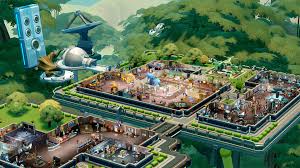 Two Point Museum is a whimsical triumph, blending creative freedom, strategic depth, and Two Point Studios’ signature humor into a captivating management sim. Its flexible building tools, engaging expedition system, and vibrant exhibit designs make every museum a unique masterpiece, while its quirky guests and absurd artifacts keep players smiling. Minor flaws, like repetitive expeditions and unclear feedback, don’t overshadow its polish and replayability, bolstered by sandbox mode, modding, and DLC support. As players curate prehistoric wonders, supernatural oddities, and alien curiosities, Two Point Museum proves that managing a museum can be as thrilling as uncovering a T-Rex skeleton. With its cozy charm and endless possibilities, it’s a shining exhibit in the management sim genre, inviting players to keep curating in Two Point County.
