Pakistan’s Dominant Surge: Sahibzada Farhan’s Century Powers 102-Run Rout of Namibia to Seal Super Eights Spot in 2026 T20 World Cup
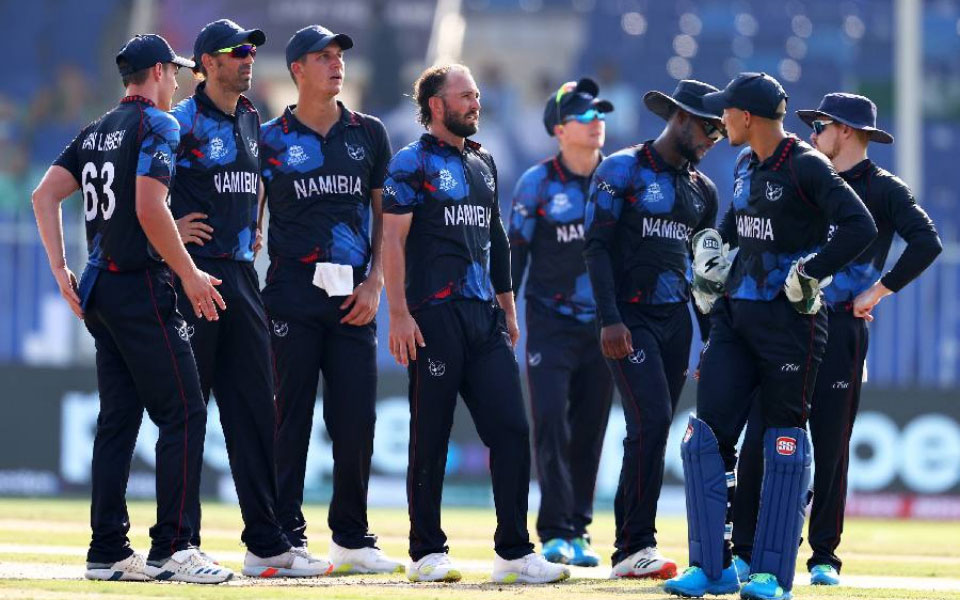
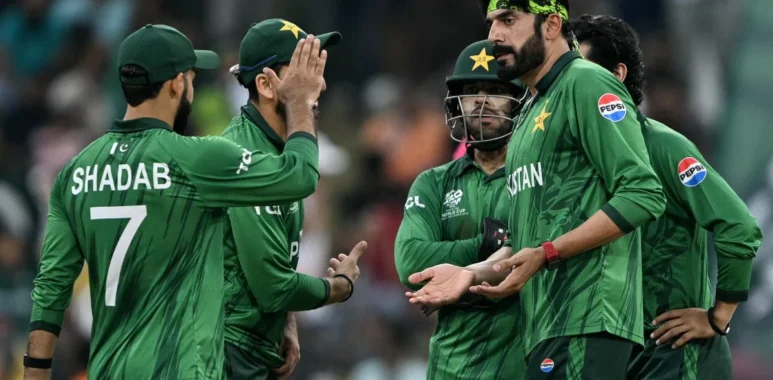
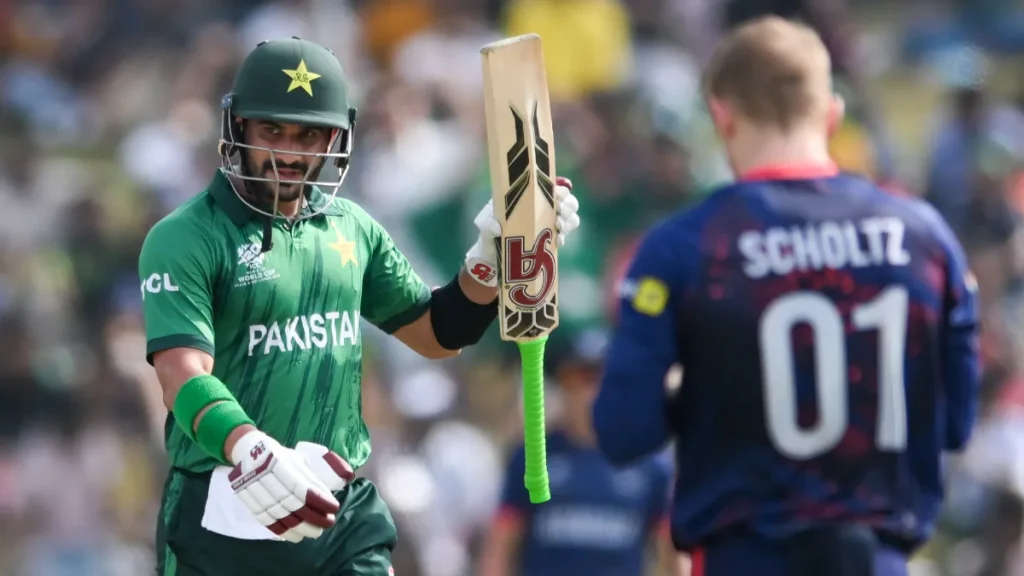
The Sinhalese Sports Club Ground in Colombo, under overcast skies on February 18, 2026, became the stage for Pakistan’s most commanding performance of the ICC Men’s T20 World Cup 2026 as they crushed Namibia by 102 runs in the 35th match, a crucial Group A fixture. This victory not only propelled Pakistan into the Super Eights as the final qualifier but also showcased their batting firepower and spin dominance on a turning track. Sahibzada Farhan’s unbeaten 100 off 58 balls (11 fours, 4 sixes) anchored a strong 199/3 total, before a ruthless four-pronged spin attack—led by Usman Tariq’s 4/16 and Shadab Khan’s 3/19—bundled Namibia out for 97 in 17.3 overs. Farhan earned Player of the Match in a game that ended any lingering doubts about Pakistan’s progression and condemned Namibia to their third straight group-stage defeat.
The 2026 T20 World Cup, co-hosted by India and Sri Lanka, expanded to 20 teams with four groups of five, where the top two advanced to Super Eights pools. Group A featured powerhouses Pakistan and India alongside Namibia (consistent qualifiers from Africa), the USA, and others. Pakistan entered this must-win clash under pressure after mixed results—wins over lower-ranked sides but a narrow escape against Netherlands and a loss to India—needing a big margin to boost their net run rate (NRR) and secure the second spot behind India. Namibia, led by Gerhard Erasmus, had shown fight but struggled against full members, winless heading into this dead-rubber for them but a lifeline for Pakistan.
The SSC pitch, typically spin-friendly with grip and variable bounce under lights, favored bowling first, but Pakistan captain Salman Agha won the toss and elected to bat, confident in their top-order depth amid Colombo’s dew factor. Pakistan included young opener Farhan in blistering form and spinner Usman Tariq for extra control, while Namibia relied on pace spearhead Ben Shikongo and spinners like Bernard Scholtz.
Pakistan’s innings ignited from the outset. Openers Farhan and Mohammad Haris provided a solid platform, racing to 45/0 in the powerplay. Haris (quick 28) fell to a yorker from Shikongo, but Farhan continued unperturbed—elegant drives through covers and powerful pulls over midwicket. Salman Agha (38 off 28) supported with crisp boundaries before holing out to long-on off JJ Smit. At 110/2 in the 14th over, Farhan accelerated dramatically—his second fifty came off just 20 balls with innovative ramps and lofted shots. He finished unbeaten on 100* (his maiden T20I century and first in World Cups), guiding Pakistan to 199/3—their highest of the tournament. Namibia’s bowlers toiled—Dylan Leicher (Brassell variants) claimed 2/38—but couldn’t contain Farhan’s onslaught.

Post-innings, Farhan reflected in the presentation: “The pressure was on—we needed a big total and a win to qualify. I just focused on rotating strike early and exploding later. The team backed me, and the spinners did the rest.” Agha added: “This was about intent. Farhan’s knock was special—now we carry this momentum into Super Eights.”
Chasing 200, Namibia’s reply crumbled spectacularly. Openers Michael van Lingen (low score) and Nikolaas Davin fell early to Mohammad Nawaz’s left-arm spin—Davin lbw to an arm-ball. At 25/3 after powerplay following Erasmus’s dismissal (caught at slip off Shadab), Namibia were reeling. Gerhard Merwe Steenkamp (23 off 22) provided brief resistance with pulls and drives, but Pakistan’s spinners dominated.
Usman Tariq, the left-arm orthodox, was unplayable—4/16 in four overs, including three in the middle overs with sliders and arm-balls dismantling the middle order. Shadab Khan (3/19) foxed batters with leg-breaks and googlies, claiming key scalps like JJ Smit (bowled attempting a sweep). Lower-order efforts from Zane Green and others were futile against Abrar Ahmed’s googly variations. Namibia folded for 97 in 17.3 overs—their lowest total of the tournament and Pakistan’s biggest win margin in World Cups.
Tariq’s 4/16 was his career-best, while Shadab’s spell highlighted Pakistan’s spin depth. The 102-run victory boosted Pakistan’s NRR significantly, confirming their Super Eights berth alongside India in Group 1 (facing South Africa, Zimbabwe, West Indies). Namibia exited winless, but their campaign offered valuable exposure for the Associate nation.
Key stats: Farhan’s 100* was Pakistan’s first T20 World Cup century since Babar Azam’s in 2021. Pakistan’s 199/3 featured disciplined acceleration (second fifty in 20 balls). Namibia’s 97 was bowled out with spin claiming 9 wickets. The margin equaled Pakistan’s largest in World Cups.
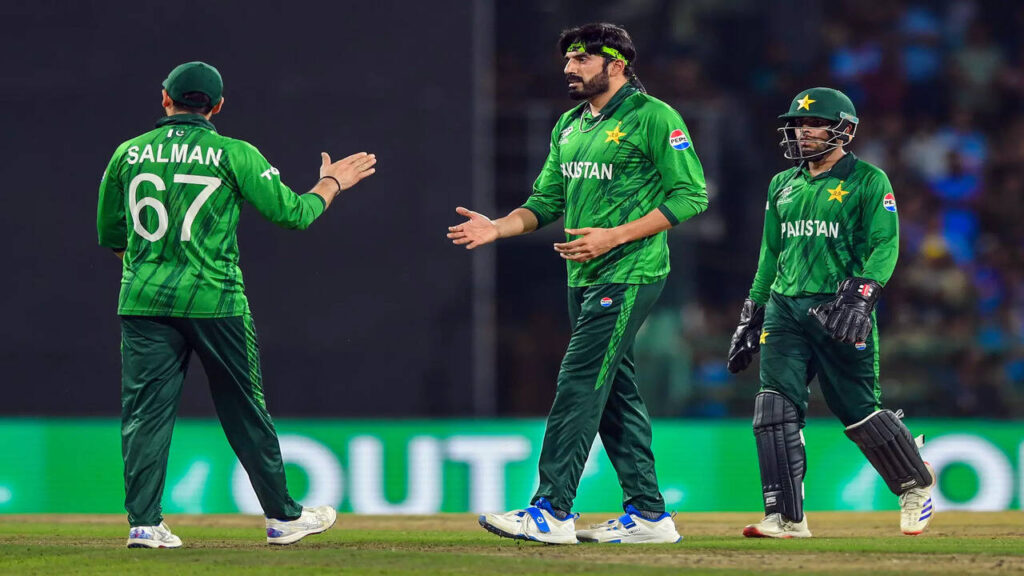
Post-match, Tariq said: “The wicket assisted spin—we varied pace and flight. Beating Namibia convincingly was crucial for qualification.” Erasmus lamented: “Pakistan were clinical. We fought, but their spinners were too good. Proud of the journey—back stronger next time.”
This Colombo masterclass encapsulated Pakistan’s resurgence: explosive batting, varied spin, and mental toughness under pressure. Farhan’s ton silenced critics, while the bowling unit—Nawaz, Shadab, Tariq, Abrar—proved lethal on turning tracks. As Super Eights loomed (Pakistan facing New Zealand in Colombo opener—later abandoned), this win provided momentum in a group with England and Sri Lanka.
Namibia’s exit highlighted the Associate-Full Member gap, yet their qualification inspired African cricket. In a tournament of upsets—Zimbabwe’s heroics, Italy’s debut—this 102-run rout stood as Pakistan’s statement: they were peaking when it mattered most.
The victory not only secured progression but restored belief after earlier stumbles. Pakistan, with renewed confidence, eyed a deep run toward a potential third T20 World Cup title. For fans, Farhan’s century and the spin demolition etched this match as a turning point in a thrilling campaign.