
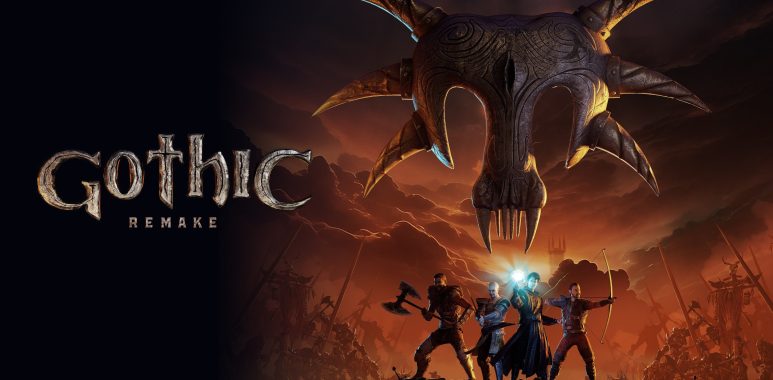
Gothic 1 Remake: Returning to the Colony After 25 Years – A Love Letter with a Few Scratches
I still remember booting up the original Gothic back in the early 2000s on a clunky PC that could barely handle it. That low-poly world under the Barrier hit different. It wasn’t pretty, but it felt alive in a way few games did. The convicts had routines, the camps had politics, and if you wandered off the beaten path without decent armor, a scavenger or wolf would humble you in seconds. Fast forward to June 5, 2026, and here we are with Gothic 1 Remake from Alkimia Interactive and THQ Nordic. Released yesterday for PC, PS5, and Xbox Series X/S, it’s been one of the most anticipated cult-classic revivals in years. I’ve sunk about 20 hours into it already (review copies landed late, so I’m still in the thick of the mid-game), and while it’s not flawless, it captures that raw, unforgiving magic better than I dared hope.
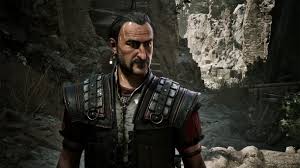
Let’s get this out of the way: this isn’t a soulless cash-grab remake. Alkimia didn’t just slap Unreal Engine 5 graphics on the 2001 Piranha Bytes original. They rebuilt the Valley of Mines with respect for what made the game special—the atmosphere, the freedom, the brutal learning curve—while smoothing out some of the jank that aged like milk. At the same time, they kept enough rough edges that it still feels like Gothic. Metacritic is sitting around a 73 right now with mixed reviews, and Steam users are giving it a solid “Very Positive” (around 81% at launch peak of 60k concurrent players). That feels about right. It’s a faithful remake that shines brightest for fans but might frustrate newcomers expecting hand-holding.
Back to the Barrier: A Quick Refresher on the Original
For anyone who missed the classic, Gothic 1 throws you into the role of the Nameless Hero, a convict dumped into a massive magical prison colony in the Valley of Mines. The kingdom outside is at war with orcs, and they need magic ore mined by prisoners. The mages who erected the Barrier screwed up royally—it grew too big, trapped them inside, and the convicts took over. Three main factions emerged: the Old Camp (pragmatic, power-hungry), the New Camp (rebellious, more “free”), and the Swamp Camp (fanatical, drug-fueled worship of the Sleeper). Your journey from zero to hero involves picking a side, learning the ropes the hard way, uncovering a bigger threat, and eventually dealing with the Barrier itself.
It was never about epic chosen-one destiny from the start. You were just another meathead trying to survive, scraping by doing dirty jobs, training with whoever would tolerate you, and slowly building influence. The world felt dangerous and lived-in. NPCs had daily schedules—you could follow a guard on his rounds or rob a sleeping digger. No quest markers, minimal hand-holding, and combat that punished button-mashing. It influenced games like The Elder Scrolls series in spirit, even if mechanically it was its own weird German Eurojank beast.
The remake keeps this DNA intact but expands and polishes. The story has some new threads, better explanations for old plot holes, more orc lore and culture (including a proper constructed language), and additional quests, especially tied to faction allegiance later on. Voice acting is fully redone with many original German actors returning, which is a huge win.
Visuals: From Low-Poly Grit to Lush, Lived-in Beauty
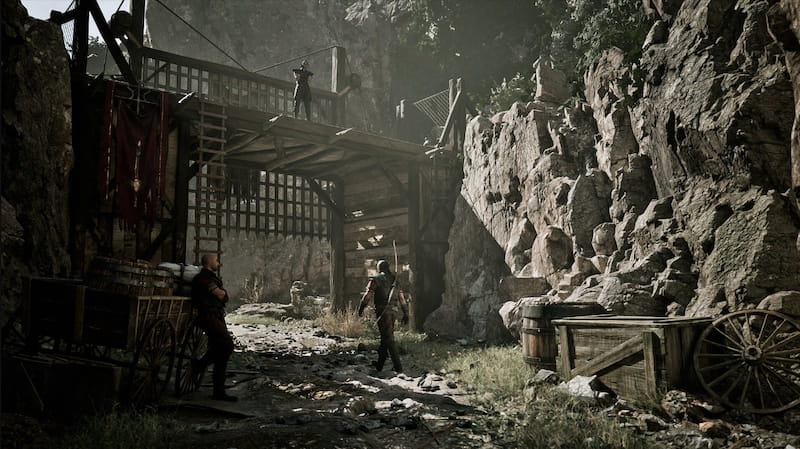
This is where the remake sings loudest. The Valley of Mines has never looked better. Unreal Engine 5 brings dense forests, misty swamps, craggy mountains, and the oppressive glow of the Barrier overhead. Lighting is phenomenal—sunbeams cutting through the canopy, torchlight flickering in caves, the eerie blue of the magical dome at night. Textures have real weight: muddy paths after rain, rusty armor on diggers, the grotesque details on swamp creatures.
The camps feel like proper settlements now. The Old Camp’s arena and inner circle buzz with activity. You can almost smell the meat roasting and hear the arguments between Shadows and Guards. Character models are expressive, with better animations for routines. I spent way too long just watching NPCs go about their business— a blacksmith hammering away, a novice meditating, thieves planning a heist. It sells the immersion hard.
That said, it’s not perfect. Some environments feel a touch empty in the wider valley compared to the density of modern open worlds, and occasional texture pop-in or stiff animations remind you it’s a remake of a 25-year-old game. On consoles, performance can dip during bigger fights or in the swamp (I’m playing on PS5 and saw some frame drops to the high 40s). PC with a good rig runs smoother, especially with DLSS/FSR. Overall though? It looks and feels like a proper modern take on that classic world. The atmosphere is thicker than ever.
Gameplay: Faithful Jank with Welcome Modern Touches
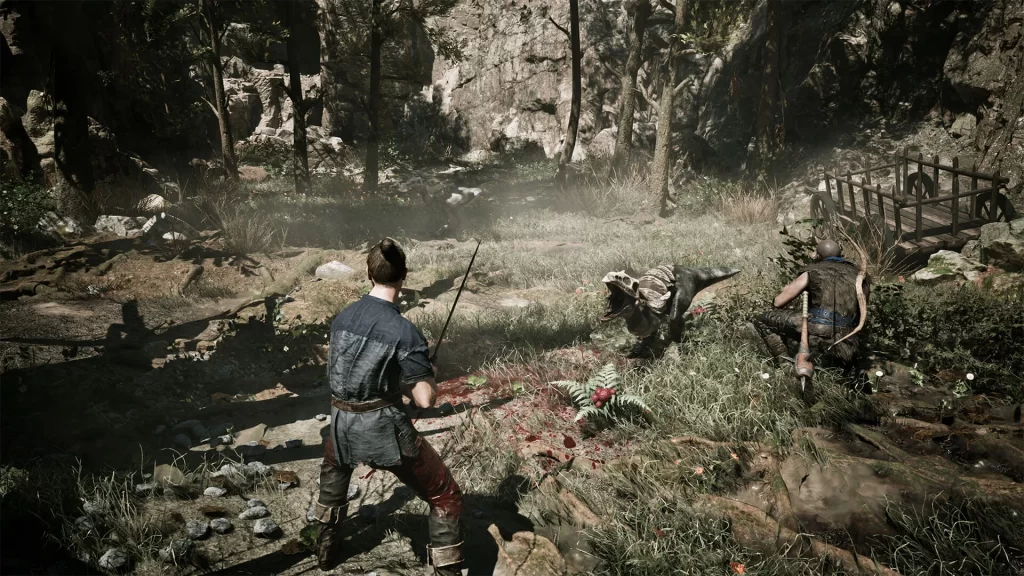
Core progression remains the same: you start weak as hell. Early game, a couple of meatbugs or a lone goblin can end you. Training is still everything—pay trainers for skills, find better weapons and armor, learn the combat dance. No levels in the traditional sense; it’s all attribute and skill points earned through use and teachers.
Combat has been modernized but keeps the directional, timing-based feel of the original. You have light/heavy attacks, combos, blocks, and dodges. It’s more fluid than before, with better enemy AI that flanks and uses the environment. Still, it can feel clunky at times, especially against groups. Parrying isn’t as satisfying as in something like Sekiro, and hit detection occasionally frustrates. Boss fights have more spectacle now, but the real challenge is the world itself—navigation, resource management, and smart faction choices.
Exploration is a joy. No minimap (thank Innos), so you rely on landmarks and your journal. The valley feels bigger with some new areas and secrets. Sneaking, lockpicking, and thievery are viable from the start, unlike the original’s stricter gating. Economy is deeper too—scavenging, crafting, and trading matter more. I love hunting for ore, trading it, and slowly upgrading my kit. It rewards patience and observation.
Quests have been expanded with branching options and more reactivity based on your camp choice. Aligning with the New Camp feels different from the Old—different allies, story beats, and even some unique abilities or gear paths. New side stories flesh out the world without betraying the original’s tone. The writing has that dry, cynical humor intact, with memorable characters like Diego, Gorn, and Lester getting richer moments.
One small but appreciated change: a basic controls glossary and better onboarding. The original dropped you in with zero guidance. This is still tough, but not quite as punishing for new players.
The World and Its People: Still the Star
What makes Gothic special has always been the Colony and its inhabitants. Alkimia nailed this. NPCs have robust daily routines, dialogue that reacts to your reputation and gear, and stories worth listening to. The faction system drives everything—joining one locks you out of some paths but opens others, encouraging replayability. Over 50 hours of content, they say, and it feels plausible.
The orcs get more depth, which is fascinating. Their culture, language, and motivations add nuance to the conflict. You can even shape your stance toward them in meaningful ways. The Sleeper cult in the swamp remains delightfully creepy.
Sound design and music are highlights. Kai Rosenkranz returned for the soundtrack, blending the original motifs with richer orchestration. Ambient sounds—the wind through the valley, distant fights, creature calls—pull you in. Voice acting is mostly strong, with that distinctive German RPG flavor preserved in the English dub options too.
Technical Stuff and Nitpicks
Launch was relatively smooth for a game of this ambition—mostly offline after a day-one patch, no always-online nonsense. GOG versions even bundle the original. But it’s not bug-free. I’ve hit pathing issues, occasional dialogue skips, and some balance quirks (certain builds feel stronger than others early on). Console versions lag behind PC in performance and visuals slightly. Optimization could use patches.
System requirements are reasonable: minimum around RTX 2070 level for decent play, but you’ll want better for 60+ FPS at higher settings.
Compared to the original, it’s more accessible without losing soul. It doesn’t reach the heights of something like Baldur’s Gate 3 in reactivity or Elden Ring in seamless world design, but it doesn’t try to. It’s its own thing—a gritty, atmospheric RPG that values immersion over convenience.
Is It Worth It? My Verdict So Far
Gothic 1 Remake is a triumph for fans. It modernizes just enough to make the Colony inviting again while keeping the challenge and personality that defined the series. The visuals and atmosphere are stellar, the world feels alive, and the core loop of rising from nobody to legend through grit and choices still slaps. Combat and performance have some jank, and it might not convert everyone who bounced off the original, but for those who loved the old games or crave a different flavor of open-world RPG, it’s essential.
I’m excited to finish the story and dive into New Game+. There’s real heart here. Alkimia respected the source material deeply, and it shows. If you’re on the fence, wait for a few patches and maybe a sale if you’re new. Veterans? Jump in. The Barrier is waiting, and the Colony hasn’t changed that much—it’s still a place where power rules, obedience is demanded, and only the clever (or lucky) survive.
After 25 years, returning felt like coming home to a rough old friend who cleaned up a bit but kept his scars. That’s the highest praise I can give.
