
Mina the Hollower: Yacht Club Games Delivers a Pixel-Perfect Gothic Masterpiece
I still remember booting up the first Shovel Knight back in 2014 and thinking, “Okay, these guys get it.” That perfect blend of retro charm and rock-solid modern design. Over a decade later, after a parade of spin-offs and DLCs, Yacht Club Games has finally dropped something brand new: Mina the Hollower. Released on May 29, 2026, for pretty much every platform under the sun—PC, PS5, Xbox Series X/S, Switch, Switch 2, even Linux and Mac—this $20 indie gem has been making waves. And after sinking around 35 hours into it (with plenty left to do), I can confidently say it’s not just good. It’s one of the best games I’ve played in years.
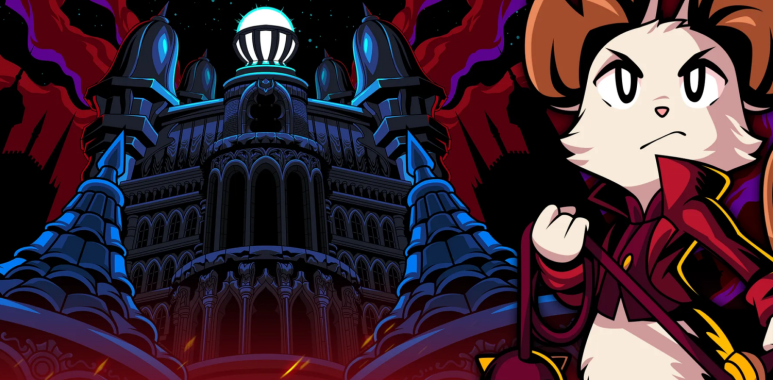
Let’s get the basics out of the way. You play as Mina, a plucky anthropomorphic mouse inventor and “Hollower”—basically a guild member obsessed with digging and earth stuff. She’s summoned to Tenebrous Isle to fix her own Spark Generators, which have started failing and turning the place into a nightmare. The story kicks off with a shipwreck, betrayal, political intrigue, environmental horror, and a surprisingly heartfelt tale about good intentions gone wrong, friendship, and the cost of progress. It’s got Victorian Gothic vibes mixed with anthropomorphic animals in a way that feels fresh, not gimmicky. Think Bloodborne atmosphere filtered through a Game Boy Color lens, with a touch of Castlevania drama.
The plot isn’t revolutionary—there are twists you might see coming if you’re paying attention—but the execution is top-tier. Characters like the bat Thorne, the shady Lionel, and your loyal pal Cappy feel alive. Dialogue is snappy, often funny, and the world reacts to your actions in subtle ways. By the end, I was genuinely invested, and the post-credits scene left me with that perfect mix of satisfaction and melancholy. It’s a short-but-dense story (main path around 12-18 hours) that rewards multiple playthroughs.
Gameplay: Burrowing Into Greatness
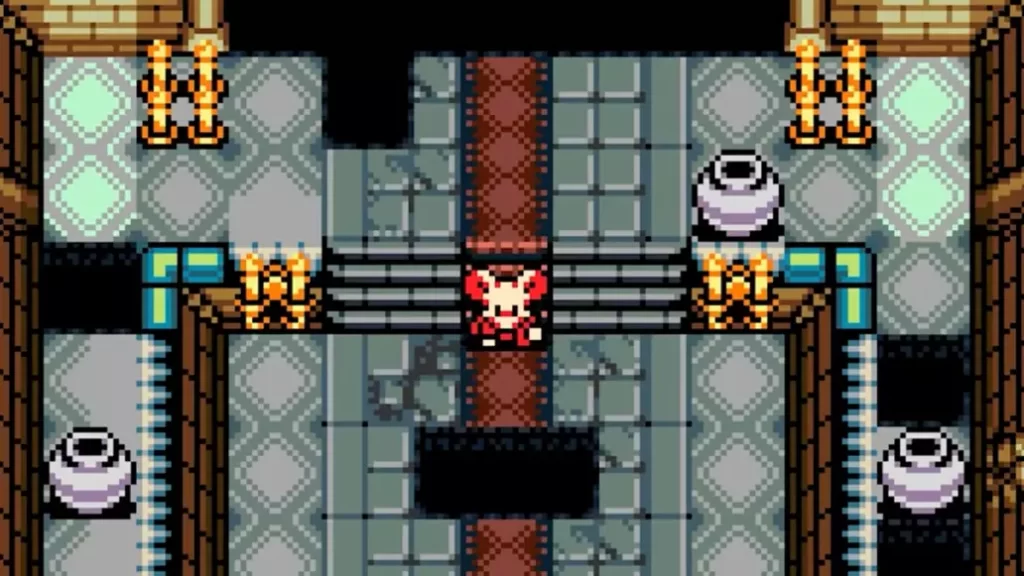
Mina the Hollower is a top-down action-adventure heavily inspired by the Game Boy Color Zelda games like Link’s Awakening and the Oracle duo. But it layers on Souls-like tension, Metroidvania exploration, and Yacht Club’s signature precision platforming. You explore a large, interconnected world centered around the hub city of Ossex, with six main generators/towers to tackle in roughly any order. No hand-holding maps or quest markers—just you, your wits, and a newspaper that drops vague hints.
The star mechanic is Hollowing: Mina can burrow underground for short bursts. It makes you temporarily invincible, lets you cross gaps, dodge attacks, and access hidden areas or the “Underlab” safe rooms. Mastering the timing—popping out with momentum for a leap—is addictive. Early on, it feels clunky (I died a lot from bad burrows), but it quickly becomes second nature and one of the most satisfying movement tools in any 2D game. Combat pairs perfectly with it. You start with a choice of three weapons: the whip Nightstar (great range and versatility), dual daggers for speed, or the heavy hammer for big AoE hits. Later, you unlock more, and you can only equip one at a time, forcing smart choices.
Sidearms (like throwing knives, parasols for blocking, or even a bike) use a separate resource and add layers of improvisation. Trinkets provide permanent buffs—some game-changing, like extra lives or altered physics—and you upgrade stats with “Bones” currency. Death isn’t too punishing thanks to checkpoints and the ability to bank progress by burrowing, but the game still stings when you lose sidearms.
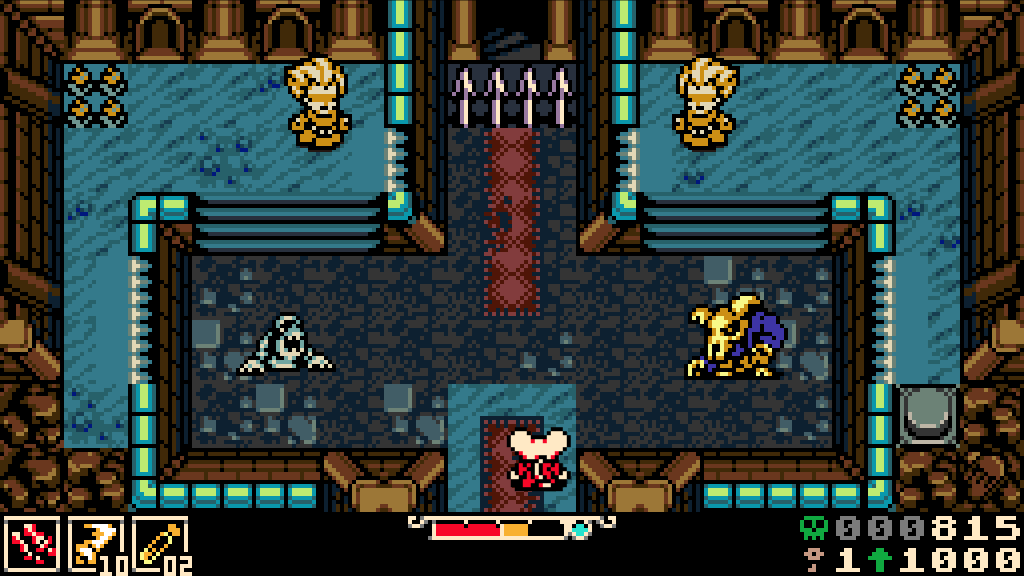
Difficulty is where Yacht Club shines. This is a challenging game by default—bosses hit like trucks, enemies are aggressive, and platforming sections can be brutal. But the accessibility/modifier system is the best I’ve ever seen. Want easier jumps? Floatier movement. Hate dying? Infinite burrows or reduced damage. Crave punishment? One-hit deaths or inverted controls. NG+ adds even wilder options, like screen-tilting “Max Barf” mode. It makes the game welcoming to newcomers while letting veterans suffer gloriously. I played on a balanced setting and still felt accomplished every time I cleared a tough section.
Exploration is pure joy. The world is dense with secrets: hidden caves, optional challenges, trinkets tucked behind clever puzzles that rely on observation and ability use rather than arbitrary keys. No tedious backtracking for blocks; everything feels logical yet surprising. Areas have distinct identities—the foggy bayou, icy mountains, explosive deserts—each with unique hazards that force you to adapt your burrowing and weapon loadout. Bosses are massive, creative, and memorable, often with multi-phase fights that test everything you’ve learned.
I hit about 55-60% completion on my first run and immediately started a second. There’s just so much to find. The sense of discovery never faded.
Visuals and Audio: Retro Done Right
Visually, it’s stunning. It sticks to authentic Game Boy Color limitations—four colors per tile, no 3D—but refined with widescreen, buttery animations, detailed backgrounds, and gorgeous lighting effects. The pixel art pops on modern screens. Tenebrous Isle feels alive and eerie: rain-slicked cobblestones, glowing fungi in caves, corrupted machinery belching pollution. Effects for burrowing, sparks, and boss attacks are fantastic. It looks like a lost handheld classic that somehow got a modern polish.
Sound design is equally excellent. Jake Kaufman returns with a banger chiptune soundtrack full of haunting melodies and energetic battle tracks. Guest contributions from Yuzo Koshiro add extra punch. Sound effects are crisp—whip cracks, burrow whooshes, enemy grunts—all satisfying. Voice acting is minimal but well-done where present.
A Few Nitpicks
It’s not flawless. Combat can feel a tad floaty or imprecise in tight spaces, leading to cheap deaths from overlapping hitboxes. Some platforming sections frustrated me more than they should, especially early on before trinkets. The story, while good, leans a bit heavy on exposition dumps in the back half. And on Switch (original, not 2), performance can dip in busier areas, though it’s still very playable.
These are minor quibbles in a package this polished. Yacht Club clearly learned from years of Shovel Knight iteration.
Why It Matters
In a year full of big-budget sequels and live-service fatigue, Mina the Hollower reminds us why indies rule. It’s confident, player-respecting, and packed with personality. At $20, it’s an insane value—especially with the sales it’s already seeing (over 300,000 copies in the first few days). Metacritic sits comfortably in the low-to-mid 90s, with universal acclaim.
It’s a love letter to retro gaming that doesn’t just ape the past; it evolves it. The burrowing mechanic feels innovative even in 2026. The modifier system should be industry standard. And the world-building and secrets make it endlessly replayable.
If you love Zelda, Souls games, Castlevania, or just great 2D action-adventures, buy this immediately. Whether you’re a hardcore completionist hunting every trinket or a casual player enjoying the atmosphere, there’s a version of Mina the Hollower for you. Yacht Club has been quiet on the original IP front for too long. This is their triumphant return, and I can’t wait to see what they do next.
Score: 9.5/10 (or a solid Editor’s Choice, masterpiece territory).
It’s been a week since release, and I’m still thinking about it constantly. The itch to go back for 100% is real. If you haven’t played it yet, stop reading reviews and start hollowing. You won’t regret it.
