
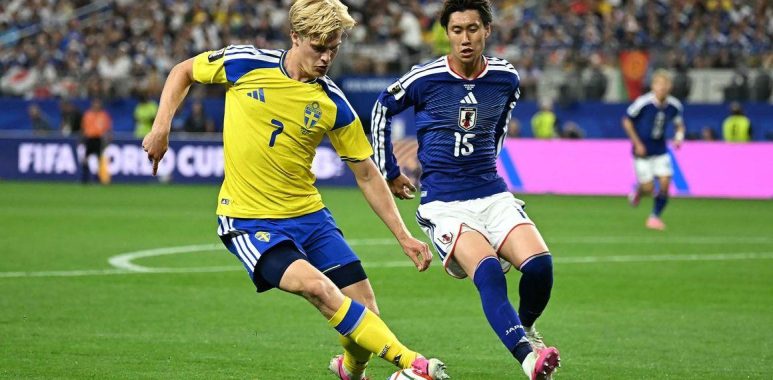
Japan 1-1 Sweden: A Gritty Draw in the Texas Heat Seals Knockout Spots for Both Sides in Dallas
Byline: Alex Nakamura, Senior Football Correspondent Dallas, Texas – June 26, 2026 (or whenever the hell the clocks hit full time after that marathon)
Let me tell you, sitting in AT&T Stadium under those blazing floodlights with 70,000-plus fans packed in like sardines, you could feel the tension from the moment the teams walked out. Japan versus Sweden in the final group game of Group F at the 2026 FIFA World Cup. This wasn’t just another match; it was the kind of game where careers get defined, where one slip-up sends you packing while a smart result catapults you into the last 16. And boy, did it deliver.
The Preview: What We Expected Going In
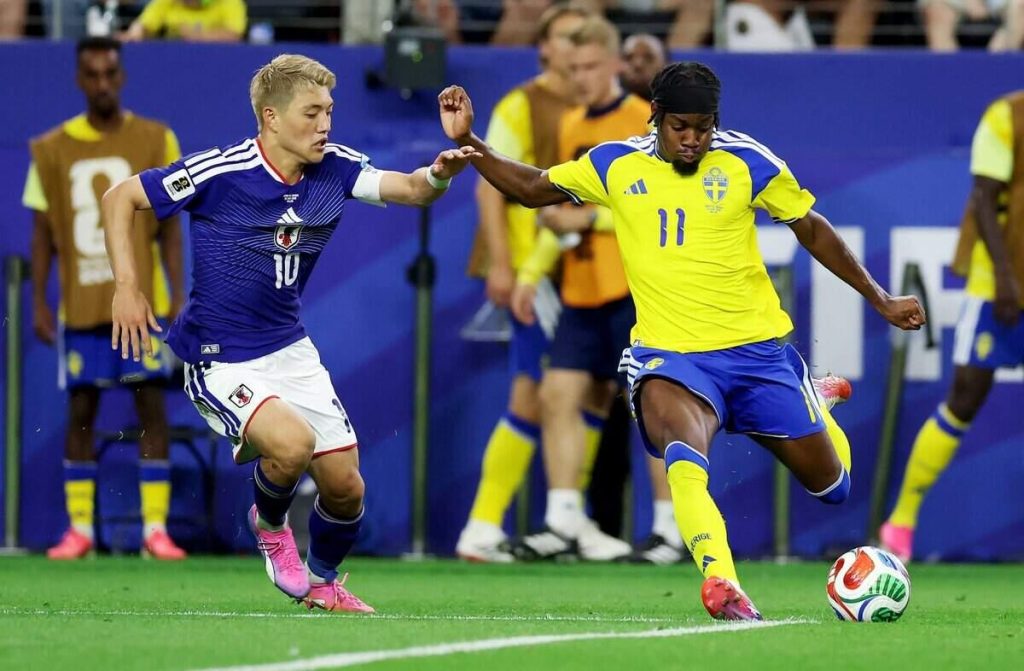
Heading into this one on June 25/26 (time zones are a nightmare in this tournament), both teams were in a decent spot but far from comfortable. Japan, the Samurai Blue, had been impressive. Unbeaten in their first two matches, they’d racked up solid points and shown that blend of discipline, quick transitions, and technical flair that’s become their trademark under their coach. They were sitting pretty, knowing a point would almost certainly see them through as one of the top two.
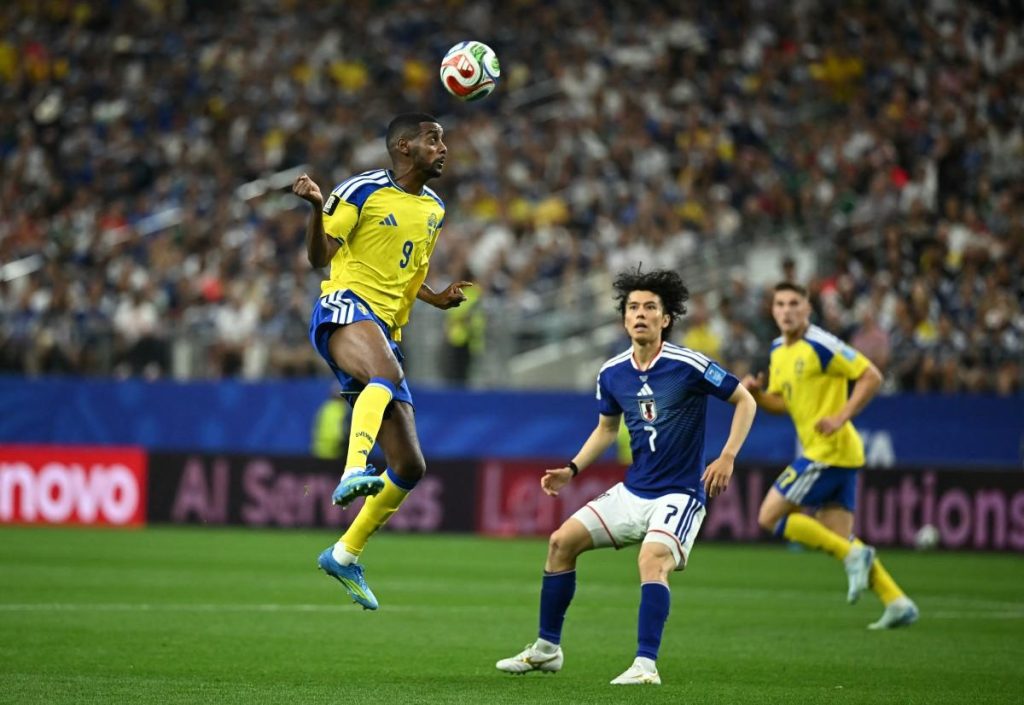
Sweden, on the other hand, were the classic dark horses—tough, physical, and dangerous on the counter. With players like Alexander Isak up front and Anthony Elanga providing that electric pace on the wing, they had the tools to punish anyone. But they needed at least a point, preferably more, to guarantee progression, especially with the Netherlands looking strong at the top of the group.
The venue added its own flavor. AT&T Stadium in Arlington, Texas—home of the Cowboys, massive screens, that roof that can close but was open to let in the humid night air. The pitch looked immaculate, but the heat and the travel for both Asian and European squads were factors. Japan’s high-pressing style might tire them out late, while Sweden’s more direct approach could exploit set pieces and long balls.
Tactically, I figured Japan would try to control possession with their midfield trio, using guys like Ritsu Doan and perhaps Hidemasa Morita to dictate tempo. Sweden would sit in a compact shape, maybe a 5-3-2 or 3-4-3 variant, and look to hit on the break. Key battles? Japan’s defense containing Isak, and Sweden’s backline dealing with Daizen Maeda’s relentless running.
Pre-match buzz was electric. Japanese fans in their blue kits filled sections with chants and flags, while Swedish supporters in yellow waved their colors proudly. Social media was ablaze with predictions—many tipping a narrow Japan win or a cagey draw. Experts on TV panels debated whether Japan’s tactical flexibility or Sweden’s physicality would prevail. Little did we know how perfectly balanced it would turn out.
Match Analysis: First Half – Cautious Probing
The game kicked off with Japan showing more intent early on. They pressed high, forcing Sweden into some hurried clearances. The ball movement was quick, one-touch stuff that characterizes modern Japanese football. Doan was influential, dropping deep or pushing forward to create overloads.
Sweden absorbed the pressure well. Their defense, marshaled by experienced heads, stayed organized. Isak was isolated at times but held up play effectively when he got the ball. Elanga looked lively on the right, but Japan’s full-backs were disciplined.
Chances were few and far between in the opening 45. A half-chance for Japan when a cross found its way to the back post, but the header was tame. Sweden had a shot from distance that sailed wide. It was tactical chess—Japan probing for weaknesses in Sweden’s left channel, Sweden adjusting their shape at halftime to become more compact.
The referee was letting a lot go, which suited the physical Swedes. No cards early, just a few niggles. The crowd was patient, knowing these big games often explode after the break. At halftime, it was 0-0, and you sensed both managers were tweaking plans. Japan’s coach probably urging more width and rotations; Sweden’s boss emphasizing quick transitions.
Second Half: The Goals That Lit Up Dallas
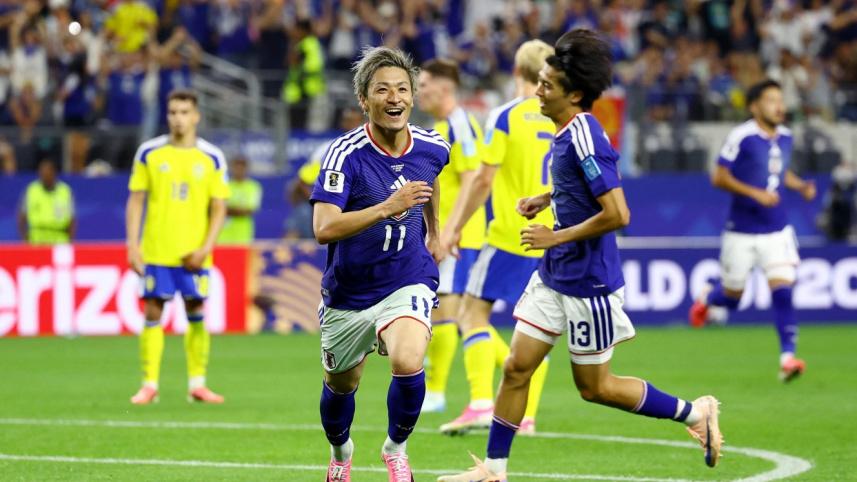
This is where the match came alive. Around the 56th minute, Japan struck. Ritsu Doan delivered a superb through ball—visionary stuff—splitting the Swedish defense. Daizen Maeda, that pocket rocket, raced onto it and finished low into the corner with composure. 1-0 Japan! The Japanese bench erupted, fans in the stands went wild. Maeda’s celebration was pure joy, sliding on his knees.
But Sweden responded almost immediately, like a heavyweight boxer shaking off a jab. Just six minutes later, in the 62nd minute, Anthony Elanga produced magic. Cutting in from the right edge of the box, he curled a ferocious left-footed shot low into the far corner. Goalkeeper Suzuki had no chance. 1-1. Elanga’s goal was world-class—power, placement, everything. Sweden’s players mobbed him.
From there, it was end-to-end. Japan pushed for a winner, creating more openings with their energy and quick passing. Sweden threatened too, with Isak nearly scoring late—Suzuki made a couple of crucial saves, including one from a header that had the Swedes appealing for more. Japan’s keeper redeemed himself nicely after the equalizer.
Tactically, Japan’s flexibility shone. They adapted when Sweden changed to a more compact setup, finding new routes through blind-side runs and switches of play. Sweden’s physicality kept them in it, but they couldn’t quite find the winner despite late pressure. Both teams showed tremendous character—Japan’s never-say-die attitude and Sweden’s resilience.
Top Highlights: Moments That Defined the Night
- Maeda’s Opener (56′): Not just the goal, but the build-up. Doan’s pass was inch-perfect. Maeda’s finish clinical. It encapsulated Japan’s counter-attacking threat.
- Elanga’s Equalizer (62′): A stunner. That curl from 20 yards—pure technique. It swung momentum and showed Sweden’s danger from wide areas.
- Suzuki’s Late Saves: Kept Japan in the game and ensured the draw. Heroic stuff under pressure.
- The Crowd’s Roar: When the goals went in, AT&T Stadium shook. Mixed fans creating an incredible atmosphere.
- Tactical Adjustments: Sweden’s halftime change and Japan’s response—textbook in-game management.
There were also near-misses, a few bookings, and that one moment where a Japanese player had to adjust his socks per the ref’s instructions—classic World Cup quirk that had everyone chuckling.
Post-Match Analysis: What It Means
The draw was a fair result. Japan finished second in Group F with five points, unbeaten—a massive achievement. They’ll face a tough knockout opponent, likely Brazil, but they’ve earned respect as genuine contenders. Their squad depth, tactical nous, and spirit under pressure mark them as dark horses.
Sweden scraped through as one of the best third-placed teams with four points. They’ll fancy their chances in the last 32, perhaps against France or similar. Isak and Elanga will be key, but they need more consistency across the squad. Their physical style can trouble anyone on a good day.
Broader takeaways? This World Cup continues to show the rise of non-traditional powers. Japan’s consistency in recent tournaments is no fluke. Sweden’s ability to grind out results speaks to their heritage. The match highlighted modern football’s blend of athleticism, tactics, and individual brilliance.
Fan reactions were positive overall. Japanese supporters celebrated progression; Swedes were relieved. Social media lit up with praise for both goals and the sportsmanship shown—no diving, just honest battle.
Deeper Dive: Player Performances and Team Strengths
Let’s talk individuals. For Japan, Doan was man of the match in many eyes—creative, energetic. Maeda’s work rate was immense. The defense was solid, limiting Sweden’s chances. Midfield controlled large spells.
Sweden: Elanga stole the show with his goal and threat. Isak worked hard but was well-marked. Their substitutes added fresh legs late, nearly nicking it.
Team-wise, Japan excels in organization and quick play. Sweden brings height, power, and set-piece danger. Both coaches deserve credit for preparations.
Injuries? Minor niggles, but nothing that derailed either side. Fitness levels held up despite the schedule.
Historical Context and Rivalry
Japan and Sweden don’t meet often, but past encounters have been competitive. This draw adds to a respectful history. In World Cup terms, both nations punching above weight at times—Sweden’s semi-final runs of old, Japan’s giant-killing reputation.
The 2026 edition, hosted across North America, has been a spectacle. Dallas delivered a memorable night.
Looking Ahead: Knockout Implications
Japan vs. likely Brazil—exciting prospect. Can Samurai Blue cause another upset? Sweden’s path tougher but winnable with their counter-attacking edge.
This result keeps dreams alive for both. Football at its best: two teams giving everything, sharing spoils, advancing together.
Summary: A Night to Remember in Texas
In the end, Japan 1-1 Sweden. Goals from Maeda and Elanga. A hard-fought, entertaining draw that saw both progress from Group F. Japan second, Sweden through as best third. Brilliant individual moments, smart tactics, passionate fans.
As the players embraced post-whistle and fans filtered out into the Texas night, you couldn’t help but smile. This is why we love the World Cup—nations from different continents battling with skill, heart, and respect. Both teams head to the knockouts with momentum. Who knows what’s next?
The stadium lights dimmed, but the memories? They’ll burn bright for a long time. Roll on the last 16.
