
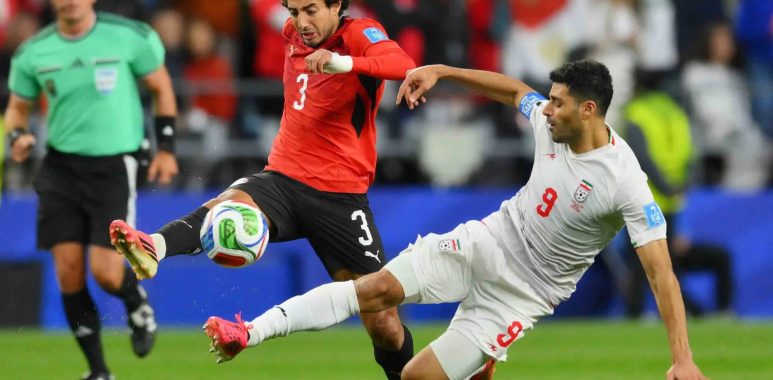
Egypt 1-1 IR Iran: A Night of Drama, Heartbreak, and History in Seattle
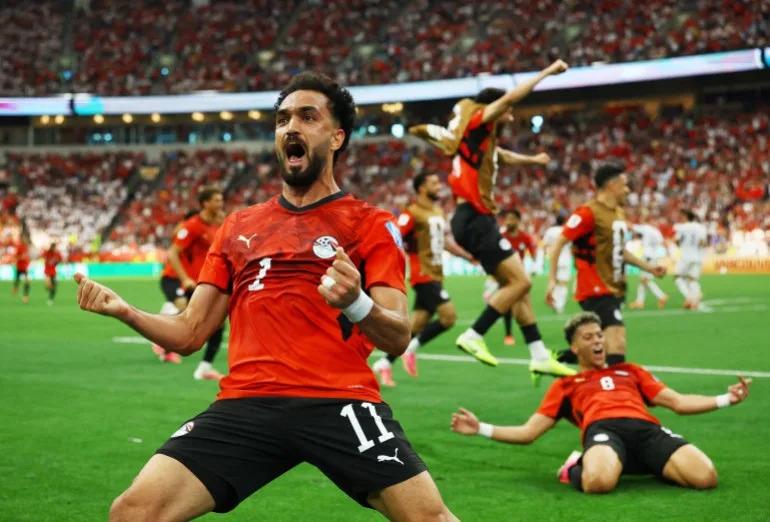
The floodlights at Lumen Field in Seattle cut through the Pacific Northwest drizzle like spotlights on a grand stage. On Saturday, June 27, 2026 (or June 26 evening local time), Egypt and IR Iran squared off in what many were calling a “must-win” or at least a “must-not-lose” clash in Group G of the FIFA World Cup. The air was thick with tension, not just from the football stakes but from the off-field noise—the so-called “Pride Match” branding by the host city clashing with sensitivities from both nations. But once the whistle blew under Szymon Marciniak’s watch, it was all about the beautiful game. And what a game it was.
I’ve covered my share of World Cup matches, but this one felt different. Two proud footballing cultures, each with something massive to prove. Egypt chasing their first-ever knockout stage appearance. Iran desperate to break their curse of early exits. The 66,925 fans packed into the stands created a cauldron of noise that bounced between Pharaonic chants and Persian rhythms. By the end, it was 1-1, a result that sent Egypt through as group runners-up and left Iran sweating on other results before ultimately falling short on the third-placed rankings.
The Preview: High Hopes, Tactical Chess, and Cultural Undercurrents
Leading into this fixture, Egypt sat pretty at the top of Group G with four points from two games—a 1-1 draw against a strong Belgium side and a convincing 3-1 win over New Zealand. The Pharaohs had momentum, bolstered by the eternal talisman Mohamed Salah, who was pulling strings even if not always on the scoresheet. Coach was riding high on defensive solidity mixed with quick transitions.
Iran, meanwhile, had two points—likely a gritty 0-0 with Belgium and a 2-2 draw with New Zealand. Team Melli are perennial overachievers in Asia but often find the World Cup ceiling unforgiving. Captain and veteran Ramin Rezaeian, Mehdi Taremi up front, and the ever-reliable Alireza Beiranvand in goal gave them steel. They play with discipline, physicality, and moments of individual brilliance. Many pundits tipped a cagey affair, perhaps a low-scoring draw that would suit Egypt more.
Tactically, it was fascinating. Egypt under their setup favored a compact 4-2-3-1 or similar, with Salah and attackers like Trezeguet providing width and threat. Iran often mirrored with a solid backline and quick counters. The venue in Seattle added another layer—neutral but with a vocal diaspora crowd. Pre-match, there was buzz (and controversy) about rainbow symbols and pride activations, which both federations pushed back against in their own ways. But the players? They just wanted to focus on the pitch.
I remember chatting with some Egyptian fans outside the stadium. One guy from Cairo, face painted in red, white, and black, told me, “This time it’s different. Salah is older but smarter. We’ve suffered enough group stage exits.” Iranian supporters nearby nodded respectfully but fired back: “Team Melli never dies easy.” The mutual respect was real, even as the stakes loomed.
Match Summary: Early Fireworks, Then a Grind, and Late Chaos
The game exploded right out of the blocks. Just five minutes in, Egypt struck. Mohamed Salah danced into the box, his shot was blocked or deflected, but young Mahmoud Saber pounced, firing it low through Beiranvand’s legs. 1-0 to the Pharaohs. Bedlam in the stands. Saber, not always a headline name, etched himself into Egyptian World Cup lore with that clinical finish.
Iran’s response? Lightning quick. By the 14th minute, they were level. A flowing move, some neat interplay, and Rezaeian found himself in a promising position. He smashed it home from a tight angle—clinical, powerful, and full of character. The equalizer wasn’t just a goal; it was a statement. Rezaeian, Iran’s all-time leading World Cup scorer, wheeled away celebrating, dedicating it to the fans back home. 1-1.
From there, the match settled into a tense battle. Egypt had spells of control, with Salah creating chances and the midfield pressing high. Iran sat in, absorbed pressure, and looked dangerous on the break. Taremi won a penalty around the ninth minute (pre-equalizer drama), but it was missed or saved—details vary in the heat of the moment, but it was a let-off for Egypt.
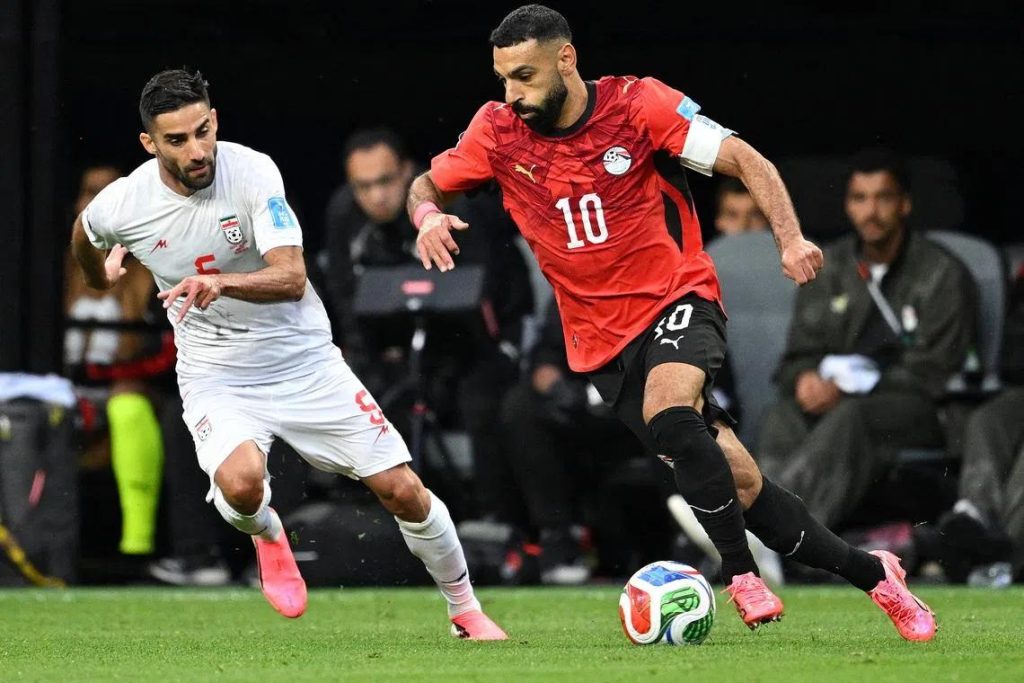
The second half was more attritional. Both teams tired, substitutions flew in. Egypt’s defense, marshaled well, held firm mostly. Iran pushed for the winner, creating half-chances. The drama peaked in stoppage time. Shojae Khalilzadeh thought he’d won it, bundling or striking the ball in at 90+2 or so. Iranian fans erupted. But VAR intervened—offside. The goal was chalked off. Hearts broken in Tehran, sighs of relief (and maybe guilt) in Cairo. Iran even hit the crossbar late. It was that kind of night.
Full time: 1-1. Egypt celebrated wildly—they were through to the last 16 for the first time in their history. Iran, unbeaten but with three points, had to wait and watch other groups. Ultimately, they missed out narrowly on being among the best third-placed teams.
Top Highlights: Moments That Defined the Night
- Mahmoud Saber’s Opener (5′): Pure poacher’s instinct. Salah’s involvement was key, but Saber’s composure under pressure was special. Egyptian commentators lost their minds—rightly so.
- Rezaeian’s Rocket Equalizer (14′): From a tricky angle, showing why he’s a leader. The celebration was pure emotion. This guy has carried Iran for years.
- The Missed Penalty Drama: Taremi’s chance. Beiranvand or the post? Either way, it swung momentum back and forth.
- VAR Heartbreak for Iran: The late “goal” and the crossbar. In real time, it looked in. The wait for the decision felt eternal. Football can be cruel.
- Salah’s Influence: Not a goal, but his movement, vision, and leadership. Even at this stage of his career, he’s the heartbeat.
- Defensive Masterclasses: Both keepers pulled off big saves. The backlines threw their bodies on the line.
- Atmosphere and Fans: Chants echoing, flags waving, and that mix of joy and despair at the end. Seattle delivered as a neutral venue.
These moments weren’t just flashes—they told the story of two teams giving everything.
Tactical Analysis: What Worked, What Didn’t, and the Big Lessons
Egypt’s early goal came from exploiting space in transition. Their high press forced errors, and Saber capitalized. But after the equalizer, they dropped deeper, perhaps too much, inviting Iranian pressure. Salah and the attacking midfielders had to do more creative work when the game tightened. Defensively, they were resilient, limiting Taremi’s influence after the penalty miss. The coach’s substitutions helped manage fatigue in the humid Seattle conditions.
Iran played to their strengths: organization and counter-attacks. The equalizer was textbook—quick ball movement and clinical finishing. They dominated periods of possession in the second half but lacked a cutting edge until the late push. The offside trap or line was their undoing in the VAR call, but overall, their discipline was impressive. Rezaeian’s versatility (often a full-back or midfielder) shone again.
Key stats (from what’s circulating): Egypt had decent shots on target, Iran probably edged possession or duels. Both teams showed heart. Egypt’s path through the group (draw with Belgium, win over NZ, draw here) was efficient. Iran’s three draws showed fight but not quite enough killer instinct against the top sides.
For neutral fans, it highlighted the evolution of both teams. Egypt are no longer just Salah-dependent; there’s depth. Iran remain tough to beat but need more attacking variety to progress deeper.
Broader Implications: History Made, Heartbreak Lingers
For Egypt, this draw was pure gold. Advancing past the groups—finally. It’s redemption after past heartbreaks in 2018 and earlier tournaments. The nation will be buzzing. Salah gets another shot at knockout glory. Expect them to be dangerous opponents next round, though the draw will be tough.
Iran’s exit stings. Unbeaten in the group but out on goal difference or rankings tiebreakers. Rezaeian’s post-match words were emotional—he spoke of sacrifice and deserving more. The team returned home to heroes’ welcomes anyway, a testament to their support. It’s the seventh time they’ve failed to advance from the group, but this one felt closest. Lessons for the future: convert those big chances.
The “Pride Match” backdrop added unnecessary layers. FIFA and hosts navigated it, but it distracted from the football at times. Both sets of players kept focus, which deserves credit.
As a writer who’s seen dozens of these, this match embodied the World Cup spirit: passion, skill, controversy, and raw human drama. Two nations that don’t always see eye-to-eye politically showed respect on the pitch. That’s football’s power.
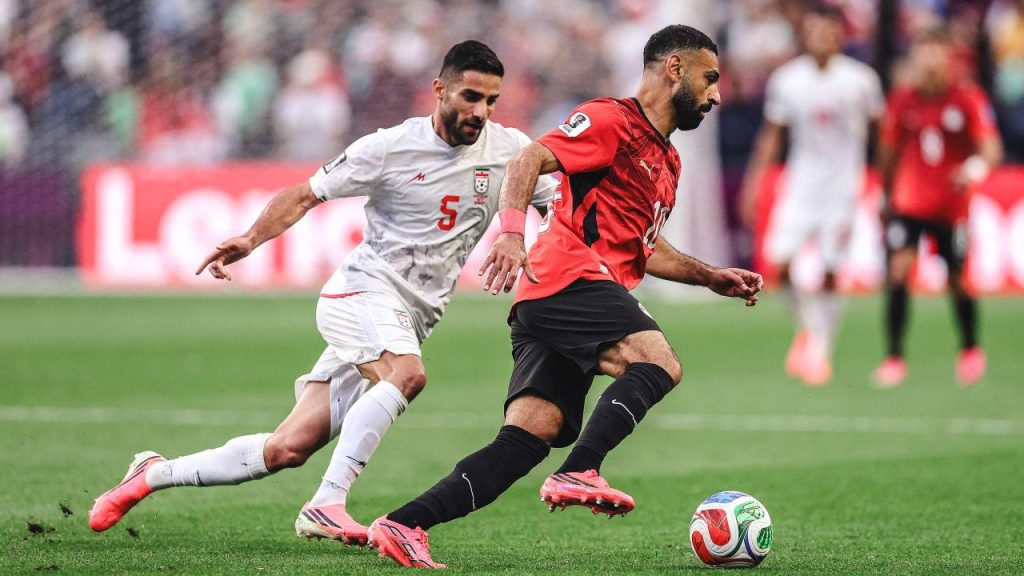
Final Thoughts: Why This Game Will Be Remembered
This wasn’t a classic for the purists in terms of end-to-end flow the whole way, but it had everything else. Early goals, a missed penalty, VAR intervention, late drama, and historic consequences. Egypt 1-1 IR Iran will live in the memories of fans from both countries for years.
For Egypt: celebration and belief. For Iran: pride mixed with what-ifs. For the rest of us: a reminder that at the World Cup, nothing is guaranteed, and every point is earned in blood, sweat, and sometimes tears.
If you were there in Seattle or watching from halfway across the world, you felt it. The Pharaohs march on. Team Melli regroups for the next chapter. And the 2026 World Cup keeps delivering stories. On to the knockouts—what a tournament it’s shaping up to be.
