
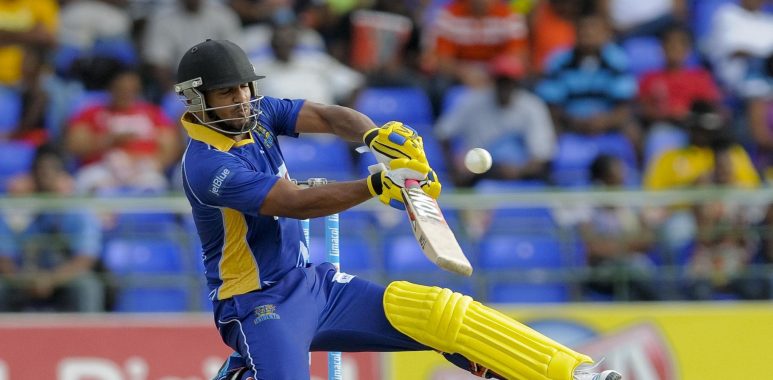
Tridents Edge Kingsmen by Five Runs in Tense Kingston Thriller
In the humid night air of Kingston, under the floodlights that cut through the Caribbean darkness, the Barbados Tridents edged out the Jamaica Kingsmen by a mere five runs in a contest that left the home crowd gasping and the visitors celebrating a hard-earned victory. The fourth match of the Caribbean Premier League season, staged at Sabina Park on Wednesday the twelfth of August twenty twenty-six, delivered tension, drama, and a finish that will be talked about long after the final ball was bowled.
The Tridents, coming into the game with mixed form, chose to bat first after winning the toss. Their openers walked out with clear intent, knowing that a solid total on a pitch that offered just enough for the seamers early and grip for the spinners later would put pressure on the Kingsmen. The first over from the local pace attack was tidy, but the Tridents openers responded with measured aggression. Boundaries began to flow once the initial scrutiny of the new ball was negotiated. By the end of the powerplay the visitors had reached a healthy forty-seven without loss, the crowd already sensing that a competitive total was on the cards.
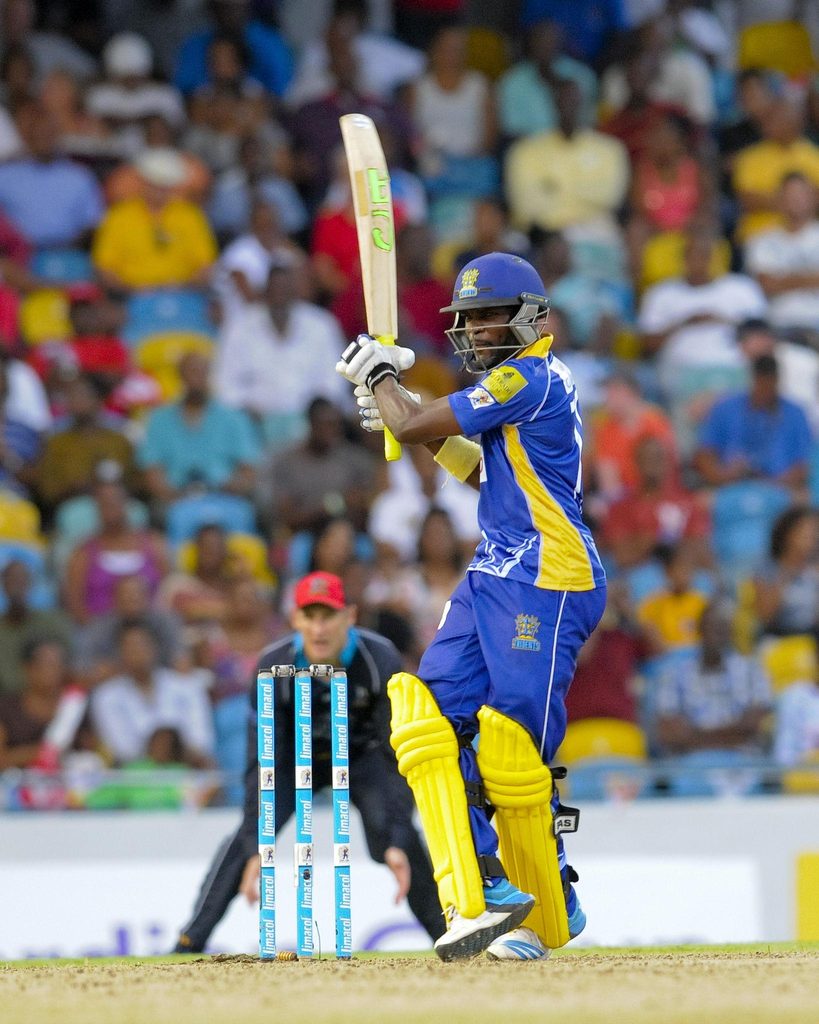
The middle overs brought the first real test. The Kingsmen skipper turned to his spin options, and the surface started to show its character. One of the Tridents set batsmen was trapped in front by a delivery that straightened just enough, and the appeal was upheld after a brief review. The breakthrough lifted the home side. Wickets began to tumble at regular intervals as the Tridents tried to accelerate. A well-set player at the other end continued to find the gaps, rotating the strike and punishing anything loose, but the required tempo meant risks had to be taken. A mistimed loft toward the long-on boundary was held low by a diving fielder, and suddenly the Tridents found themselves four down with the innings only halfway complete.
What followed was a recovery of quiet determination. The lower middle order dug in, mixing solid defence with the occasional calculated assault. One partnership of note added forty-odd runs in quick time, including two sixes that cleared the shorter boundary and sent the travelling support into cheers. Even as the death overs approached, the Tridents managed to keep the scoreboard moving. A late flourish from the lower order, including a couple of clever scoops and a powerful pull shot, pushed the total past the one-hundred-and-sixty mark. When the final ball was bowled the Tridents had posted one hundred and sixty-seven for seven, a score that looked challenging but by no means impossible on a ground where totals in the high one hundreds had been chased before.
The interval brought analysis and quiet confidence from both camps. The Kingsmen coaches spoke of the need for a solid start and the importance of not letting the required rate climb too early. The Tridents, meanwhile, gathered around their bowling coach, emphasising disciplined lines and the use of the slower ball under lights. The second innings began under a sky that had grown heavier, the air thick with expectation.
The Kingsmen openers strode out to a roar from the Kingston faithful. The first over was tight, but the second produced the first boundary of the chase, a crisp cover drive that raced away. Momentum briefly shifted. Yet the Tridents bowling unit refused to panic. Their new-ball pair mixed pace and cutters, forcing the batsmen to work hard for every run. A sharp piece of fielding at midwicket cut off a potential single and kept the pressure building. In the fifth over the breakthrough arrived. A full delivery angled in, the bat came down late, and the leg stump was knocked back. The home crowd fell silent for a moment before recovering with applause for the fallen opener.
From there the chase became a battle of nerves. The Kingsmen middle order tried to rebuild, rotating the strike and picking off the occasional boundary. One of their most experienced campaigners played a measured knock, finding the gaps and keeping the required rate within reach. At the halfway stage the Kingsmen were sixty-eight for two, needing just under ten an over from the remaining deliveries. The equation was gettable, but the Tridents bowlers kept chipping away. A well-disguised slower ball induced a false stroke, the ball looping gently to short cover. Another wicket fell when a sharp return catch was taken off a powerful drive. Suddenly the home side were four down and the required rate had crept above eleven.
The tension in the ground became almost tangible. Every single was cheered, every boundary celebrated as if it might be the last. The Tridents captain rotated his bowlers cleverly, bringing back his most reliable death specialist for a crucial spell. One over went for only four runs, including a wide that was the only real blemish. The next over produced a wicket as a batsman, trying to manufacture a big shot, only managed to sky the ball toward deep midwicket where it was safely pouched. The Kingsmen still had batting to come, but the asking rate was now climbing steeply.
In the final five overs the drama reached its peak. The remaining Kingsmen batsmen swung hard, connecting with a couple of clean hits that soared into the stands. One six cleared the roof and had to be retrieved from outside the ground, delaying play for a few minutes and allowing the tension to build even further. With three overs left the Kingsmen needed thirty-one runs. It was still possible. The Tridents bowler for the eighteenth over kept his nerve, mixing yorkers with clever slower balls. Only eight runs came from it, and another wicket fell when a desperate heave found the edge and was taken by the keeper diving to his right.
Twenty-three needed from twelve balls. The crowd was on its feet. The next over began with a boundary, a powerful drive through extra cover that reduced the equation to nineteen from eleven. A single followed, then a dot ball that drew groans from the stands. Another boundary, this time a pull shot that just cleared the fielder on the rope, brought the requirement down to thirteen from eight. The Tridents captain made a change, bringing on his most experienced seamer for the final over.
Thirteen needed from six deliveries. The first ball was a perfect yorker, dug out for a single. Twelve from five. The second ball was full and wide, sliced away to the point boundary for four. Eight from four. The third delivery was another yorker, this time jammed into the pitch and taken for only a single. Seven from three. The fourth ball was a slower one outside off, the batsman swung and missed. Seven from two. The fifth ball was full and straight. The batsman cleared his front leg and swung with everything he had. The ball sailed high toward deep midwicket. For a moment it looked as if it might clear the boundary. The fielder settled under it, took the catch cleanly, and the Tridents erupted in celebration.
The final batsman walked out needing seven from the last ball, an almost impossible task. The bowler ran in, delivered a full toss that was smashed toward the long-on boundary, but the fielder was perfectly positioned. The ball was caught on the second bounce just inside the rope, and the Tridents had won by five runs.
The scenes that followed were a mixture of joy and despair. The Tridents players sprinted toward the middle, embracing their bowlers and celebrating a victory that had been built on discipline and nerve. The Kingsmen players stood hands on hips, staring at the scoreboard, knowing they had come so close yet fallen just short. The home crowd, while disappointed, still offered generous applause for both sides. It had been a contest worthy of the occasion.
In the post-match presentation the Tridents captain spoke of the character his side had shown. He praised the lower-order contribution with the bat and the way the bowlers held their lines under pressure. The Kingsmen captain, gracious in defeat, admitted that his side had left a few runs out there in the field and that the required rate had climbed too high in the end. He pointed to the quality of the opposition bowling in the death overs as the decisive factor.
For the Tridents this result provides a significant boost to their campaign. Moving higher in the points table, they will take confidence into their next fixture knowing they can defend modest totals when their bowlers execute plans to perfection. The contribution of their middle order with the bat and the composure shown in the final overs will be remembered as key moments in what could become a successful season.
For the Kingsmen the defeat is a painful one, especially on home soil. They remain competitive and still have plenty of cricket left in the tournament, but they will need to address the areas where they leaked momentum. The batting depth is there, yet the ability to close out tight chases remains a work in progress. The home support will continue to back them, and the players will no doubt draw strength from the knowledge that they pushed a strong opponent all the way.
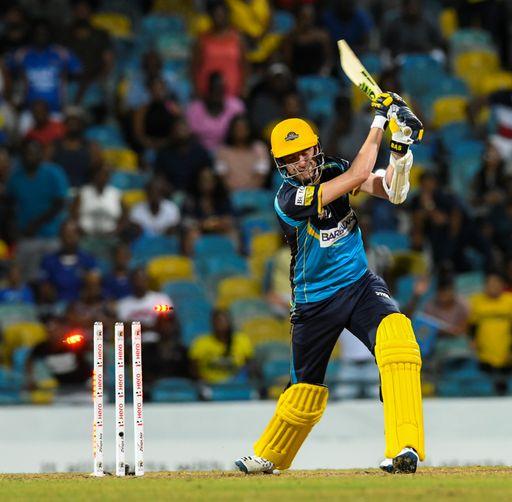
The pitch at Sabina Park played its part throughout. Early seam movement gave way to a surface that offered grip for the spinners and rewarded accurate bowling in the later stages. Fielding standards were high on both sides, with several diving stops and sharp catches that prevented boundaries and kept the pressure on the batting teams. The crowd, though ultimately disappointed by the result, created an atmosphere that elevated the contest. The noise levels rose and fell with every boundary and every wicket, turning the ground into a cauldron of emotion as the finish approached.
Looking at the broader picture of the Caribbean Premier League this season, the match served as a reminder of how fine the margins can be. Five runs is the difference between victory and defeat, between two points and none, between climbing the table and remaining stuck in mid-pack. Teams that can find a way to win these tight contests often go on to achieve greater success later in the competition. The Tridents showed they possess that quality. The Kingsmen showed they are capable of matching strong opposition for long periods but still need to find that final cutting edge.
Individual performances stood out on both sides. For the Tridents the all-round contribution of their middle-order batsman who stabilised the innings after early losses, combined with a disciplined bowling display from their death specialist, proved decisive. The catch on the boundary in the final over will be replayed many times in the days ahead. For the Kingsmen the measured innings from their experienced campaigner kept them in the hunt for long periods, and the late hitting that reduced the required rate so dramatically nearly produced a famous victory. In the end those efforts were not quite enough.
As the players left the field and the lights began to dim over Kingston, the conversation among fans and observers turned to what this result means for the rest of the tournament. The Tridents have given themselves a platform. The Kingsmen must regroup quickly. In a competition as tightly contested as the Caribbean Premier League, every point matters and every close finish carries lessons that can shape the weeks ahead.
The fourth match of the season will be remembered as one of the most gripping contests of the early stages. A five-run victory for the Barbados Tridents over the Jamaica Kingsmen in Kingston on a warm August night provided drama, skill, and emotion in equal measure. Cricket at its best often comes down to the finest of margins, and on this occasion those margins favoured the visitors. Both teams will take something from the game. One side leaves with the points and the confidence that comes from winning under pressure. The other leaves with the knowledge that they were only a few runs short of a memorable home triumph. In the end that is what made the contest so compelling, and that is why it will linger in the memory of all who were present or who followed it from afar.
