
Barbados Tridents edge St Lucia Kings by nine runs in tense Gros Islet thriller
In the warm Caribbean night at the Daren Sammy National Cricket Stadium in Gros Islet, with the floodlights cutting through the lingering humidity, Barbados Tridents produced a display of power and precision that left St Lucia Kings nine runs short in a rain-affected contest. The ninth match of the 2026 Caribbean Premier League delivered everything fans hope for from a T20 fixture: early fireworks, a middle-overs grind, late drama, and a result that shifted the early points table. Reduced to 18 overs a side after rain delayed proceedings, the game still managed to pack in enough sixes, breakthroughs, and tension to keep the home crowd on edge until the final delivery.
St Lucia Kings won the toss and chose to field, a decision that made sense under the circumstances. The pitch at Gros Islet has a reputation for offering something early and then settling, and with the weather already having its say, chasing under lights felt like the safer path. What followed, however, was a Tridents batting effort that mixed caution with calculated aggression, building a total of 177 for five that proved just enough.
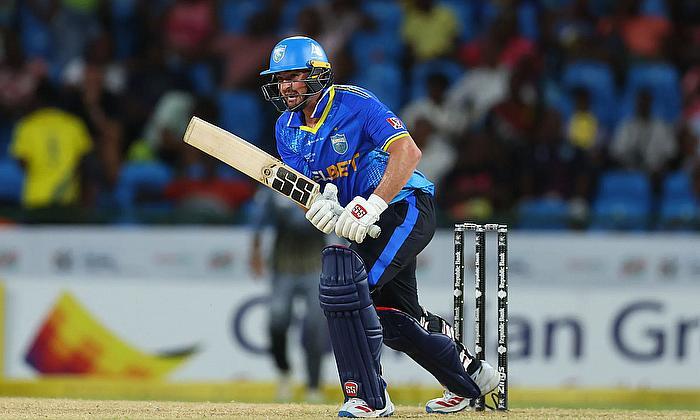
The innings began quietly. Zachary Carter fell early, edging Matthew Forde behind for two in the second over. At seven for one, the visitors needed composure. Quinton de Kock and Brandon King provided it, then escalated. De Kock, in particular, looked in the mood from the moment he found the middle of the bat. He took a liking to the spinners and the seamers alike, clearing the boundary four times in a rapid 38 off just 15 deliveries. King was more measured but no less effective, timing the ball sweetly through the covers and midwicket. Their partnership put the Kings under immediate pressure. One over from Khari Campbell leaked 23 runs as de Kock and King cashed in on anything short or wide.
Roston Chase, the Kings captain, stepped in to steady the ship. He removed de Kock with a well-directed delivery that the South African mistimed to deep midwicket. King followed later, holing out as he tried to accelerate further. At 90 for three after 9.3 overs, the Tridents had lost their two biggest threats, and the run rate dipped. Rivaldo Clarke arrived and played the anchor role, scratching out 23 from 27 balls while the middle order found its rhythm. The real momentum shift came with Sherfane Rutherford.
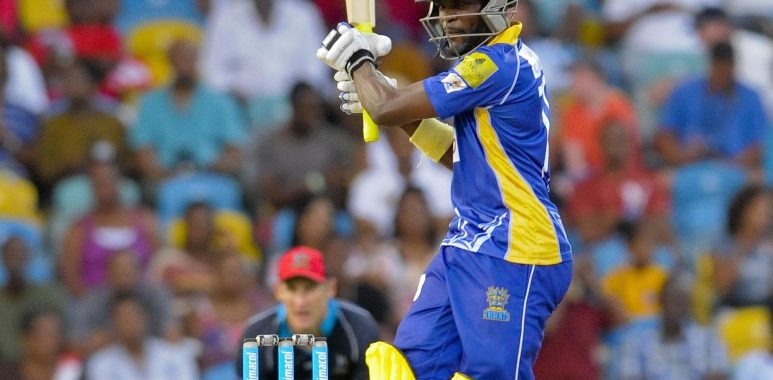
Rutherford walked in and immediately looked dangerous. He has a way of changing the complexion of an innings with pure power, and this night was no different. While Clarke held one end, Rutherford launched into the attack. He cleared the ropes five times, including a sequence of big hits in the closing overs that lifted the total from respectable to formidable. His fifty came off 27 balls, a second consecutive half-century in the tournament, and by the time he was caught on the boundary for 61 off 31, the Tridents had reached 169. Chris Green and Daniel Sams added a few more in the final deliveries to close on 177 for five. Shadley van Schalkwyk finished with two wickets for 25, Chase claimed two for 30, and Forde took one. The Kings had done well to restrict the scoring in phases, but Rutherford’s late surge left them with a challenging chase of 178 in 18 overs.
The home side’s reply started with intent. Johann Jeremiah and Roston Chase put on 41 for the first wicket. Chase, leading from the front, struck four boundaries and two sixes in a lively 34 off 21. The stadium responded every time a local player found the middle. Then the Tridents’ spin duo of Gudakesh Motie and Mujeeb Ur Rahman began to tighten the screws. Mujeeb removed Jeremiah for 11, and Motie bowled Chase with a sharp delivery that beat the bat. At 59 for two, the Kings needed a rebuilding effort.
Ackeem Auguste provided exactly that, and more. The local batter played with freedom and confidence, treating the crowd to a series of powerful strokes. He reached fifty off 28 balls, mixing three fours with six sixes. One over from Ramon Simmonds disappeared for three maximums as Auguste reduced the required rate dramatically. For a stretch of the innings, the Kings looked favourites. Auguste and Charith Asalanka added valuable runs, and the equation at one stage stood at 61 needed from 36 balls. The atmosphere inside the ground was electric. Flags waved, drums beat, and every big hit brought the stands to their feet.
Then the spinners struck again. Mujeeb had Asalanka caught at deep midwicket, Rutherford taking a juggling catch. Motie followed up by bowling Auguste for a brilliant 63 off 34. The local hero’s dismissal changed everything. With 50 still required from 24 deliveries and the set batsman gone, the Kings’ lower order struggled to keep the rate. Jewel Andrew had already retired hurt earlier, adding to the disruption. Shadley van Schalkwyk fell cheaply, Amari Goodridge, on T20 debut, struck two sixes in a rapid 13 but could not stay long enough. Matthew Forde fought hard with an unbeaten 24 off 17, including three fours and a six, and Maheesh Theekshana finished with a boundary, but it was never quite enough. The Kings closed on 168 for seven, nine runs short.
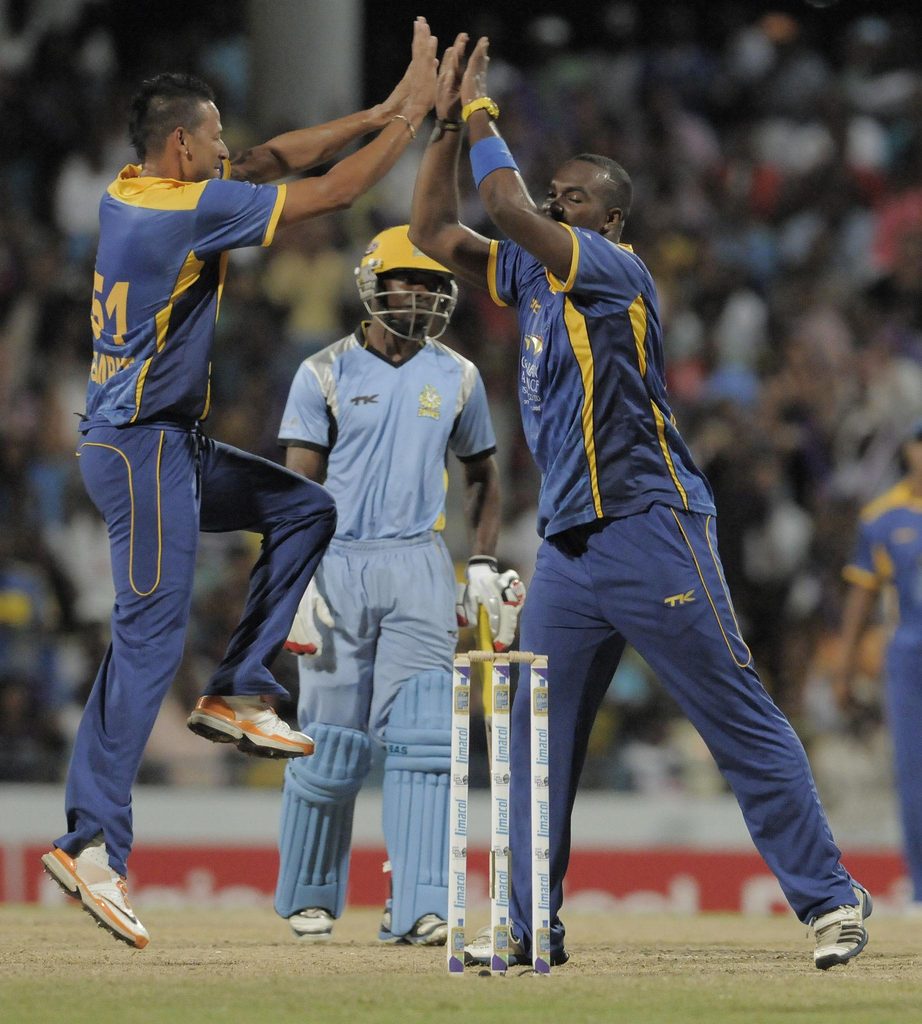
Motie was the standout with the ball, finishing with three for 22 from his four overs. Mujeeb supported him with two for 27. Together they claimed five wickets and applied constant pressure in the middle phase. Green bowled a useful spell without taking a wicket, while Sams and Simmonds shared the remaining breakthroughs. The Tridents’ bowling unit showed discipline when it mattered most, refusing to panic even as Auguste threatened to take the game away.
This result carried significance beyond the two points. For the Tridents it was a second consecutive win, lifting them into a strong early position on the points table. Their batting has depth, Rutherford is in peak form, and the spin combination of Motie and Mujeeb offers control that few sides can match. De Kock’s explosive cameos remain a constant threat, and the supporting cast of King and Clarke provide balance. On the other side, the Kings will feel the disappointment of a home defeat despite a spirited chase. Auguste’s knock was a highlight, proving once again that he belongs at this level. Chase’s all-round contribution and Forde’s late resistance showed character. Yet the inability to close out the chase against quality spin will be a point of discussion in the dressing room.
The rain interruption forced both teams to adapt quickly. An 18-over contest demands different calculations. Powerplay aggression becomes even more important, and the middle overs leave less room for error. The Tridents handled the shortened format better, pacing their innings so that Rutherford could explode at the end. The Kings’ chase had the opposite problem: they built momentum through Auguste but lost key wickets at the wrong moments, leaving too much for the lower order.
Throughout the evening the crowd remained engaged. Gros Islet has long been a venue that generates atmosphere, and even with the weather delays the supporters stayed vocal. When Auguste was in full flow the noise levels rose sharply. When Motie and Mujeeb began to bite, the tension was palpable. T20 cricket thrives on these swings, and this match delivered several of them.
Looking at the broader tournament picture, the early results have already created separation. Teams that start well can build momentum that carries through the group stage. The Tridents have shown they can win both the close ones and the high-scoring contests. Their next fixtures will test them further, but confidence will be high after this performance. For the Kings, the home schedule offers opportunities to bounce back quickly. They have the talent, especially in the middle order and with the ball, to climb the table. Consistency will be the key.
Rutherford’s player-of-the-match award was well deserved. His ability to clear the boundary under pressure has become a trademark. The way he accelerated after the early wickets set a platform that the bowlers could defend. Motie’s control and variations in the middle overs complemented that perfectly. Together they formed the backbone of the victory.
In the end, nine runs separated the sides. It sounds like a narrow margin, and in many ways it was. Yet the Tridents always seemed to have an answer when the Kings threatened. That is the mark of a side finding its rhythm early in a tournament. As the Caribbean Premier League continues, nights like this in Gros Islet will be remembered for the power hitting, the spinning web, and the late drama that only T20 cricket can provide. The Tridents left the island with two points and a growing belief. The Kings left with lessons and the determination to make the next home outing a different story.
The floodlights eventually dimmed over the Daren Sammy Stadium, but the echoes of the contest lingered. Cricket in the Caribbean has a way of producing evenings that feel both familiar and fresh. This was one of them. A rain-shortened match that still managed to tell a complete story of attack, defence, resilience, and the fine margins that decide winners and losers. Barbados Tridents will take the win and move on. St Lucia Kings will analyse the moments that slipped away and prepare for the next challenge. For the fans who filled the stands, they witnessed a contest worthy of the league’s reputation. Nine runs was the difference on the scoreboard. The memories of Rutherford’s sixes and Auguste’s counter-attack will last much longer.
