
Brendan Allen’s Late Magic: How “All In” Snapped Christian Leroy Duncan’s Streak and Reclaimed the Spotlight at UFC Fight Night
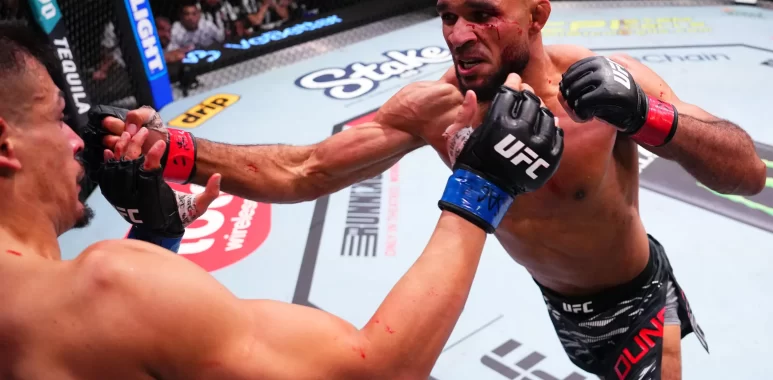
Las Vegas, Meta APEX. October 10, 2026. Another Fight Night under the bright lights, the kind that doesn’t always draw the biggest pay-per-view numbers but still delivers the pure, sweaty, unscripted chaos that keeps the hardcores coming back. On paper it was ranked fighter versus ranked fighter in the middleweight division: No. 4/5 Brendan Allen against the surging No. 10 Christian Leroy Duncan. In reality it was a classic UFC matchmaking puzzle—veteran grinder with a submission toolbox defending his spot against a longer, cleaner striker on a five-fight heater who wanted to crash the party and force the conversation higher up the ladder.
What unfolded over nearly 23 minutes was messy, competitive, occasionally frustrating, and ultimately pure Allen. The Louisiana native forced a rear-naked choke at 2:46 of the fifth round, improving to 28-7 overall and 16-4 in the UFC while handing Duncan his first loss since 2024 and snapping a five-fight win streak. Allen walked out calling for bigger names. Duncan walked out knowing the gap between top-10 contender and true title threat is still measured in control time and late-round composure.
The Preview: Stakes, Styles, and the Rankings Trap
Going in, the numbers told a clear story. Allen entered on a three-fight win streak that included solid if unspectacular victories over guys who were supposed to test him. He had already shown he could hang with the upper tier—decisions over Marvin Vettori, a stoppage of Reinier de Ridder—but the perception lingered that he was the reliable gatekeeper rather than the guy getting the next title shot. At 6’2″ with a 75-inch reach, orthodox stance, and a reputation for wearing people down and finding the neck, Allen’s path was always going to involve wrestling and top pressure. His career numbers sat around 3.6-3.7 significant strikes per minute at roughly 52% accuracy, but the real weapons were the 1.5+ takedowns per 15 minutes and the submission attempts that piled up when fights went long.
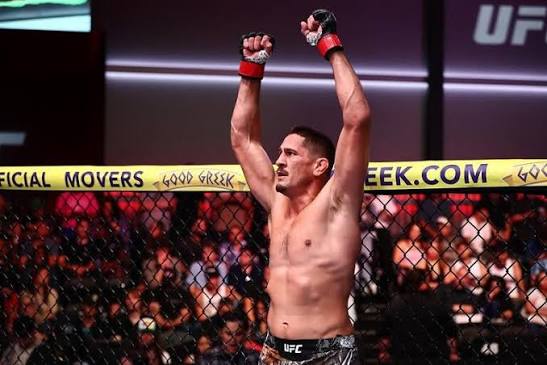
Duncan, the Englishman out of Gloucester training at Range Martial Arts, represented the opposite profile. Taller reach at 79 inches, switch stance, and a striking game that looked sharper every time out. He was landing around 4.4-4.5 significant strikes per minute at 57% accuracy while absorbing far fewer (around 2.3-2.4). Five straight wins, including a decision over former title challenger Jared Cannonier, had him talking title contention if he could take care of Allen in dominant fashion. Duncan’s wrestling was secondary—low takedown volume, solid defense—but his length and volume made him a nightmare on the feet for anyone who couldn’t close distance cleanly.
The narrative was simple and familiar. Allen needed to make it ugly, get it to the mat, and force Duncan to fight off his back for extended periods. Duncan needed to keep it standing, use the jab and kicks to manage distance, and punish Allen’s relatively porous striking defense (career numbers around 47%). Bookmakers had Allen as a modest favorite, reflecting the grappling edge more than any belief that he would simply overwhelm Duncan. For Allen it was another night of “prove it again.” For Duncan it was the first true main-event stage and a chance to leapfrog into the top five. Both men made weight without drama. The face-off was intense but professional. The Apex crowd was ready for five rounds of middleweight violence.
The Fight: Round-by-Round Grind
Round 1 opened with the expected pace. Duncan came forward with combinations and low kicks; Allen answered with body work and looked to close. Early clinch work favored Duncan’s length and knees, but Allen found a trip and briefly controlled on the mat before Duncan scrambled up. The Englishman landed a spinning elbow that briefly rattled Allen and forced some retreat. It was competitive, high-output, and left the impression that Duncan’s striking volume might carry the early rounds if Allen couldn’t convert more of his shots. Most observers had it 10-9 Duncan.
Round 2 changed the complexion. An early eye poke from Duncan drew a point deduction from referee Marc Goddard—one of those rare moments where the official actually took a point instead of just warning. That single point would loom large later. Allen responded by increasing pressure, landing a sharp right, then securing a takedown in open space. He passed to side control, hunted an arm-triangle, and eventually took the back. Short shots and grinding pressure followed. Duncan bled and defended well enough to survive, but the round was clearly Allen’s, and with the point deduction it swung the scorecards heavily. Live scorers had Allen up 19-18 or better.
Round 3 saw Allen shoot early and get the takedown again. Duncan reversed momentarily after Allen overcommitted to a submission attempt, landing some elbows from top, but Allen worked back to dominant position and smothered. Classic top control from the veteran: not always high-volume striking, but constant pressure that saps energy and forces defensive reactions. Duncan exploded out late and finished the round with some offense, but the control time belonged to Allen. Another 10-9 for the American in most books.
By Round 4 the fatigue was visible on both sides. Duncan’s corner wanted stick-and-move. He obliged with front kicks and volume, outlanding Allen significantly while the American’s output dipped. Allen landed a heavy left hook that staggered Duncan momentarily and smiled through the exchanges, but he wasn’t shooting. The round belonged to Duncan’s activity and distance management. Suddenly the fight felt closer than the earlier control suggested, especially with the point deduction already in the books. Live scores had Allen still ahead but no longer comfortably so.
Round 5 opened with Duncan showing a second wind—jabs, knees, and combinations while Allen looked a step slower (he later mentioned possible rib issues). For long stretches Allen stayed on the feet, swinging but not closing. Then, with the clock ticking and the fight potentially in the balance, he finally shot, drove Duncan to the fence, and dragged the action down. What followed was pure “All In” problem-solving. He worked the back, sneaked the arm under the chin while Duncan fought the hooks, locked the body, and squeezed. Duncan refused to tap at first, flailing and even swatting at the referee. The choke was deep. Consciousness was leaving. The tap came at 2:46. Official result: Brendan Allen by rear-naked choke, Round 5.
Numbers That Told the Real Story
Duncan outlanded Allen 106-51 in significant strikes (and 126-91 in total strikes). He was busier at distance and looked the cleaner technical striker for long stretches. Allen answered with four takedowns out of 11 attempts, nearly nine minutes of control time (8:39 to Duncan’s 3:51), two submission attempts, and the decisive finish. The eye-poke point deduction meant Duncan needed a finish or a clear late surge that never fully materialized once Allen got the final takedown. Grappling decided it. Volume did not.
Analysis: What Worked, What Didn’t, and What It Means
Allen’s game plan was never complicated: survive the early volume, force the wrestling exchanges, and trust the deep waters. He absorbed more strikes than ideal and looked a step slow at times, but his ability to convert late opportunities remains elite among non-elite middleweights. The fifth-round choke was the eighth submission of his UFC career and the latest example of why opponents hate seeing him still standing after four rounds. He has now won four straight. The ranking is secure. The question is whether the UFC will feed him someone higher or continue the pattern of matching him against the next hungry contender.
Duncan showed he belongs. The striking looked legitimate against a durable, experienced opponent. The five-fight streak was no fluke. But the wrestling defense and late-round scramble awareness still lag behind the top five. Once Allen got the final takedown, Duncan had no answer for the back-takes and the choke. The point deduction hurt, yet the bigger issue was the inability to keep the fight standing when it mattered most. A loss like this doesn’t erase the progress, but it resets the conversation from “title contender” back to “dangerous top-10 guy who still has holes.”
The broader middleweight picture remains messy. Sean Strickland holds the belt. Dricus du Plessis sits as the most logical high-profile dance partner for several contenders. Allen made his feelings clear in the post-fight interview with Michael Bisping: he has defended his spot against young, hungry prospects twice in a row and wants the bigger names. “Where’s the champion? If not, where’s Dickus? He’s been running for a while.” It was classic Allen—blunt, competitive, and slightly exasperated by the matchmaking realities of a stacked division.
Top Highlights and Moments That Stuck
- The early spinning elbow from Duncan that briefly had Allen backing up and looking uncomfortable.
- The eye poke and the immediate point deduction that shifted the scoring math for the rest of the night.
- Allen’s second-round takedown, pass, and sustained top control that turned the fight.
- Duncan’s Round 4 volume surge that made the later rounds feel closer than the control time suggested.
- The final sequence: the shot, the drag-down, the sneaky arm under the chin, the body lock, and Duncan’s desperate, unsuccessful fight against the inevitable.
- Allen’s post-fight callouts that left little doubt about what he believes he has earned.
Summary: Another Night, Another Statement, Same Questions
UFC Fight Night: Allen vs. Duncan was never going to be remembered as a classic for the ages. It was competitive, occasionally awkward, and decided by the fighter who could impose his will in the championship rounds. Brendan Allen did what he has done for years—survive, grind, and find the neck when the other guy starts to tire. Christian Leroy Duncan proved he can hang with the top 10 on the feet and that his streak was built on real skill, but the grappling gap remains the ceiling until he closes it.
Allen leaves Las Vegas with a four-fight streak, a signature late finish, and a louder voice in the rankings conversation. Duncan leaves with a loss that stings but does not define him. The middleweight division keeps turning. The next names on the list for both men will tell us whether the Apex main event moved the needle or simply kept the status quo intact for another few months. For one night in October, though, the story belonged to the guy who stayed “All In” when the fifth round got heavy. That is still the safest bet in the division when the minutes start piling up.