
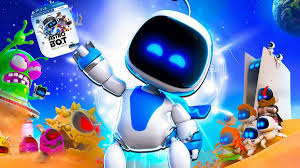
Astro Bot: The Little Robot That Could (and Did) Steal 2024’s Spotlight
When Astro Bot dropped on September 6, 2024, I wasn’t expecting much beyond a fun little tech demo sequel to Astro’s Playroom. Boy, was I wrong. What Team Asobi delivered wasn’t just another platformer—it was a full-blown celebration of joy, creativity, and everything that makes PlayStation special. Clocking in at around 10-15 hours for a completionist run (longer if you’re hunting every last bot and puzzle piece), this PS5 exclusive quickly became one of my favorite games of the year, and apparently, a lot of critics and players felt the same. With a Metacritic score hovering around 94 and universal acclaim, it’s not hyperbole to call it one of the best 3D platformers in recent memory.
Sitting down with my DualSense in hand that launch week, I was immediately transported back to being a kid discovering platformers for the first time. But this isn’t just nostalgia bait. Astro Bot stands tall on its own merits while cleverly weaving in PlayStation’s rich history. Let’s dive deep into why this pint-sized robot’s adventure feels like a masterpiece.
From Demo to Darling: The Road to Astro Bot
Team Asobi, Sony’s Tokyo-based studio (their name literally means “play” in Japanese), has been building toward this moment for years. They started with The Playroom on PS4, then the VR title Astro Bot Rescue Mission in 2018, and the pre-installed Astro’s Playroom on every PS5. Those were charming tech showcases showing off the DualSense’s haptics and the console’s power. But Astro Bot? This is the big one—the full game fans had been begging for.
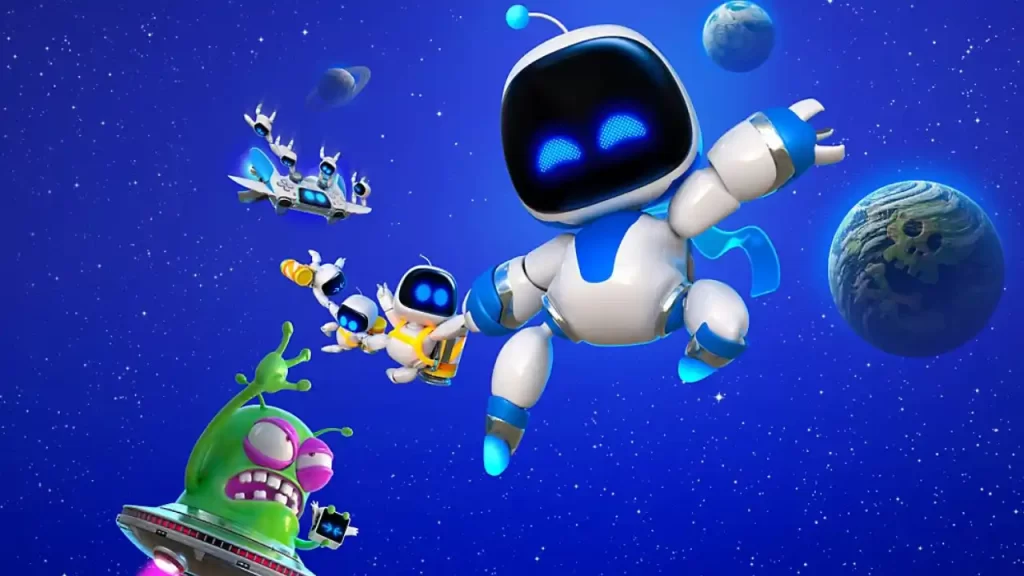
The story is simple but effective: Astro and his bot crew are cruising through space when a mysterious villain (the “Space Bully”) attacks, scattering Astro’s friends across the galaxy and stealing the PlayStation console that powers their ship. Astro’s mission? Rescue all the bots, reclaim the ship pieces, and save the day. It’s light on lore but heavy on heart. Every rescued bot feels like a little victory, and the game peppers in VIP bots—cameos from iconic PlayStation characters and franchises—that land like delightful Easter eggs for longtime fans.
What struck me early on was how accessible yet layered the game feels. My niece, who’s eight, picked it up and breezed through early levels with pure delight. My buddy who’s a Souls veteran platinumed it in a weekend, raving about the precision. That’s rare magic.
Gameplay That Feels Like Pure Play
At its core, Astro Bot is a 3D platformer with 2D sections mixed in, spread across six galaxies with around 90 levels total (including challenges and boss stages). But calling it “just a platformer” is like saying Super Mario Galaxy was just jumping around. The level design is relentlessly inventive. Each world introduces new mechanics that build on the last, rarely repeating themselves.
Basic controls are buttery smooth: jump, spin attack, and Astro’s signature abilities. But the real star is how the DualSense is utilized. This isn’t gimmicky—it’s integral. In one level, you use the adaptive triggers to “pull” yourself along spider webs like a grappling hook. In another, you blow into the controller’s microphone to propel Astro forward on a leaf boat or extinguish fires. Haptic feedback makes every surface feel distinct: squishy mud, metallic platforms, icy slides. The controller even becomes a “torch” in dark caves, with light rumbling in your hands as you swing it around.
One standout power-up early on turns Astro into a giant version of himself for smashing obstacles, complete with weighty haptics that make you feel the scale. Later, you get abilities like the Frog Suit for high jumps and tongue attacks, or a jetpack that lets you hover with precise momentum. These aren’t just tacked on; they’re woven into levels that demand you master them creatively.
The galaxies each have a theme. Gorilla Nebula feels jungle-y and bouncy, with vine swinging and ape-inspired chaos. Tentacle System dives underwater with tentacle puzzles and swimming sections. Serpent Starway gets trippy with time manipulation and eerie vibes. Every planet has a unique hook—construction sites with bulldozers you pilot, speedrun challenges, or bite-sized boss rushes.
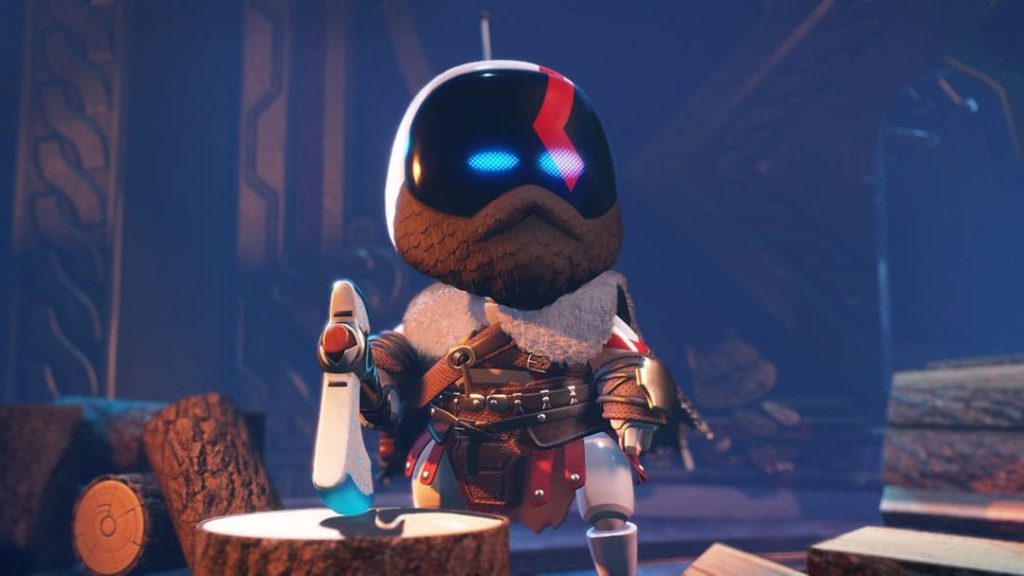
Collecting is the name of the game. Each level has bots to rescue (usually 7 in main stages), puzzle pieces for costumes, and hidden portals leading to extra challenges. Finding them never feels like a chore because the worlds are so packed with personality. Secret areas often hide adorable animations or PlayStation history nods, like stumbling upon a mini God of War diorama or a Gran Turismo racing homage.
Levels That Deserve Their Own Love Letters
I could write thousands of words just on individual levels. Take “Construction Derby”—you pilot a massive wrecking ball bot, smashing through a cityscape while dodging hazards. The sense of scale is incredible, with the camera pulling back to show Astro looking tiny yet powerful. Or “Wormy Passage,” a 2D side-scroller where you ride a massive worm through twisting tunnels, dodging spikes and collecting bots in a rhythm that feels straight out of a classic.
The challenge levels ramp up difficulty without frustration. Some are pure precision platforming gauntlets; others test specific abilities. Speedrun stages push you to optimize routes, and I spent way too many evenings replaying them trying to shave off seconds.
Boss fights are a highlight. There are six main ones, each with phases that evolve the fight cleverly. Captain Pincher (early game crab-like foe) teaches dodging and countering. Mighty Chewy, the gorilla boss, involves swinging from vines while avoiding charges—pure spectacle. Lady Venomara turns the screen into a snake-filled arena with pattern recognition and quick reflexes. The final boss against the Space Bully is a multi-phase epic that ties together everything you’ve learned, complete with emotional payoff.
No filler here. Even “filler” levels have unique twists. One has you controlling a mini-Astro drone with the gyro, another turns the DualSense into a slingshot. It never gets old.
Visuals, Audio, and That PlayStation Soul
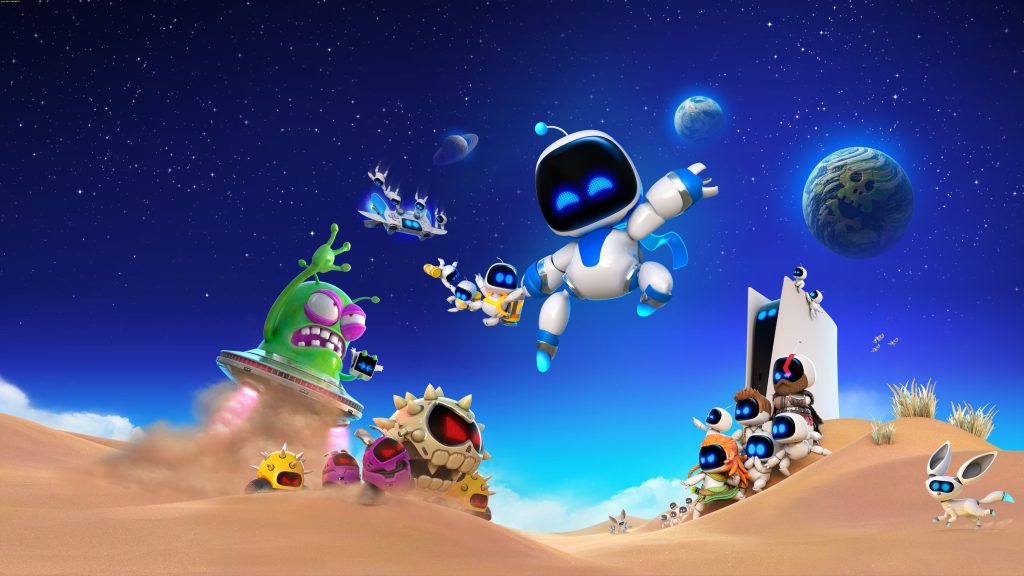
On PS5, Astro Bot looks stunning. Vibrant colors pop, particle effects dazzle during big moments, and the ray-traced reflections on Astro’s metallic body are chef’s kiss. Performance is locked at 60fps with zero hiccups in my playthrough. Environments are dense—floating platforms in space, lush alien jungles, neon cyber cities—all bursting with detail.
The soundtrack? One of the year’s best. Upbeat chiptune-inspired tracks mix with orchestral swells and remixes of classic PlayStation tunes. When a familiar melody from Crash Bandicoot or Uncharted kicks in during a VIP level, it hits different. Sound design elevates everything: the satisfying thunk of a successful jump, enemy defeat squeaks, and environmental audio that reacts to your controller inputs.
The nostalgia is thick but never pandering. VIP bots include Kratos swinging his axe to clear paths, Sackboy for platforming sections, and even a Ghost of Tsushima homage. It made me grin like an idiot multiple times. Newcomers won’t feel lost, but veterans get extra layers of appreciation.
Comparisons and Context
People are calling this “Super Mario Galaxy 3,” and it’s not wrong. The gravity-defying creativity, varied planets, and joyful momentum echo Nintendo’s best. But Astro Bot has its own identity through hardware integration and PlayStation love. Compared to Super Mario Odyssey, it might lack the open-world freedom, but it compensates with tighter level design and that haptic magic. Sonic and Crash fans might find it less punishing, more welcoming.
It’s not flawless. Some might crave more difficulty options or a longer campaign, though the post-game content (extra galaxies, challenges) adds replayability. Price at $59.99 feels fair given the polish, but in a world of live-service bloat, a complete single-player experience shines.
Why It Matters in 2024
In a year full of massive open-world RPGs and multiplayer shooters, Astro Bot reminds us games can just be fun. No microtransactions, no battle passes—just pure, distilled play. It came out swinging for Game of the Year and delivered, winning big at The Game Awards and beyond. For PS5 owners, it’s a must-play showcase of what the hardware can do. For everyone else, it’s proof that platformers aren’t dead.
Personally, it pulled me out of a gaming slump. After long workdays, jumping into a colorful galaxy for an hour was therapeutic. The pure delight when rescuing a bot cluster or nailing a tricky jump is unmatched. My only regret? Finishing it. I’m already itching for DLC or a sequel.
Team Asobi poured love into every pixel. From the adorable animations (Astro’s victory dances never get old) to the thoughtful accessibility options (single-stick controls, gyro toggles), it’s clear they wanted everyone to enjoy it.
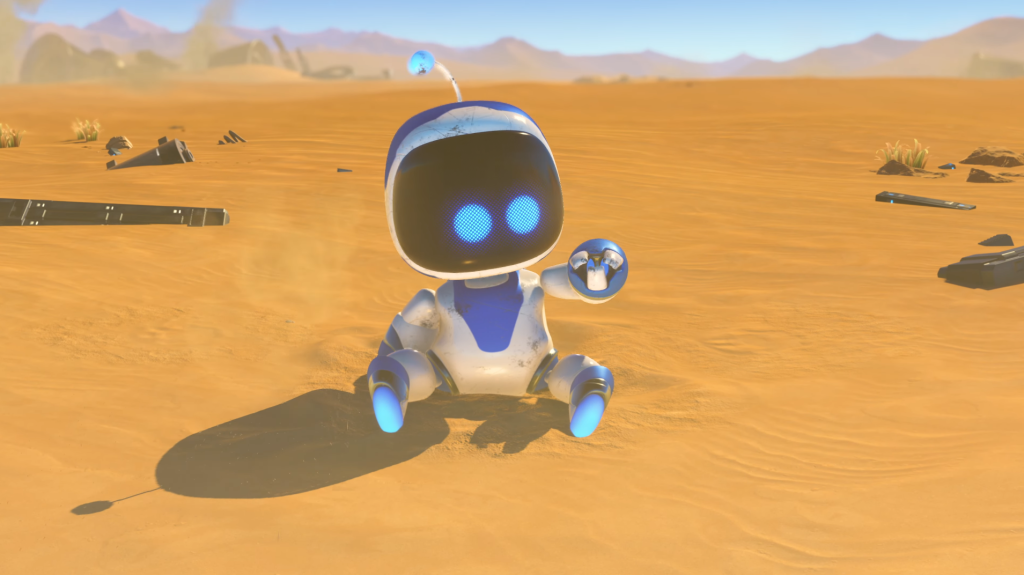
Final Verdict: A Masterpiece in Blue and White
Astro Bot isn’t just the best platformer of 2024—it’s one of the best games, period. It captures that childlike wonder so many titles chase but few achieve. Tight controls, endless creativity, heartwarming moments, and technical excellence make it a triumph for Sony and Team Asobi. If you own a PS5, stop what you’re doing and play this. Even if platformers aren’t usually your thing, give it a shot. It’ll win you over.
Score: 9.5/10 (or a full 10 if you’re a nostalgia sucker like me). This little bot didn’t just rescue his friends—he rescued the genre’s reputation for a whole new generation. Here’s hoping we don’t have to wait too long for his next adventure
