
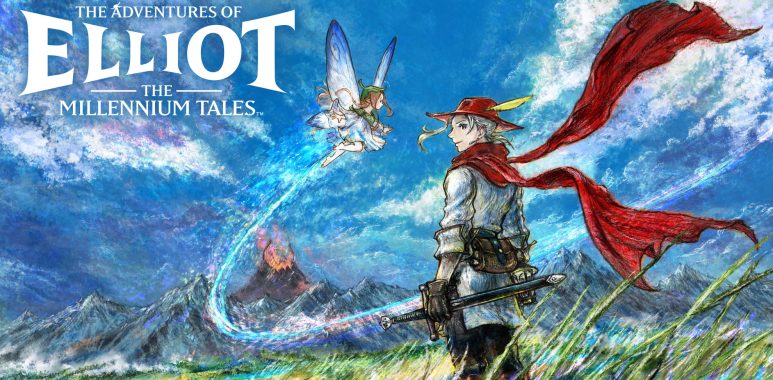
The Adventures of Elliot: The Millennium Tales – A Sweeping Epic That Actually Delivers
When a new game drops the subtitle “The Millennium Tales,” you half-expect it to be another bloated open-world mess chasing trends. But The Adventures of Elliot: The Millennium Tales, which launched on June 18, 2026, from indie-turned-AA studio ChronoForge Games, surprised me. I went in skeptical—another time-travel adventure in a post-Life is Strange and Outer Wilds world? Yet after sinking nearly 60 hours into it over the past week, I’m ready to call it one of the most ambitious and emotionally resonant single-player experiences of the year so far.
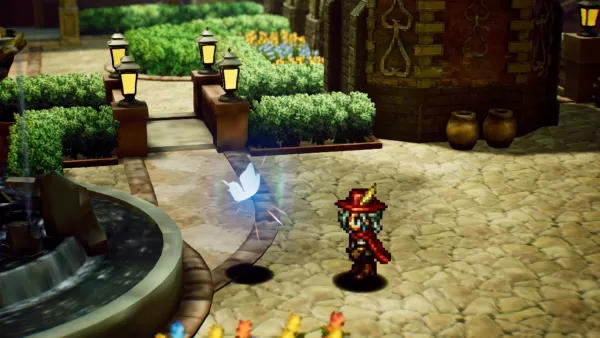
Let’s get the basics out of the way. Elliot is a narrative-driven action-adventure game with light RPG elements, built in Unreal Engine 5. It follows Elliot Voss, a 17-year-old orphan living in a near-future city called New Avalon that’s equal parts cyberpunk neon and decaying nostalgia. Elliot discovers he’s a “Millennium Walker”—someone who can step through fractures in time called Echoes. What starts as a personal quest to uncover his parents’ disappearance spirals into a saga spanning ancient civilizations, dystopian futures, and everything in between.
The game released to solid reviews on Steam (Very Positive at launch, hovering around 82% as of this writing) and strong sales numbers that surprised everyone except the developers, who apparently poured their hearts (and a rumored mid-seven-figure budget) into this passion project. It’s available on PC, PS5, and Xbox Series X/S, with a Switch 2 version promised for later this year. No microtransactions, no battle pass, just a $59.99 full game with a hefty post-launch DLC roadmap already teased. That alone feels refreshing in 2026.
The Story: Time Travel Done Right (Mostly)
The writing in The Adventures of Elliot is its strongest suit. Lead writer Maya Torres (previously known for her work on the cult-favorite Echoes of the Forgotten) crafts a story that feels personal even as the stakes balloon to universe-threatening levels. Elliot isn’t your typical chosen-one teenager. He’s awkward, sarcastic, and carries the kind of quiet grief that hits you in quiet moments between epic set pieces.
The Millennium Tales themselves are presented as fragmented legends—each major era or “Tale” feels like its own self-contained novella that still feeds into the larger mystery. You visit:
- A lush, mythic version of ancient Mesopotamia where gods walk among mortals.
- A steampunk-infused Victorian London on the brink of an industrial apocalypse.
- A haunting, flooded future New York where humanity clings to floating arcologies.
- And several others I won’t spoil.
What makes the time travel work is how grounded the consequences feel. Changing the past doesn’t just create arbitrary butterfly effects; the game uses a clever “Echo Memory” system where alterations ripple forward in subtle, character-driven ways. Save a key figure in 3000 BCE and you might find their descendant in 2147 with a different personality, different quests, even different voice lines. It’s not fully simulationist like some grand strategy games, but it’s deep enough that my second playthrough already feels meaningfully different.
I teared up more than once. There’s a sequence in a war-torn 1940s alternate timeline where Elliot has to decide whether to prevent a tragedy he knows will shape his own future. The game doesn’t preach; it just lets the weight of the decision sit with you. Dialogue choices matter, but they’re never presented in a binary “good/evil” meter. Characters remember what you said, sometimes throwing it back at you chapters later. It feels alive.
That said, the story isn’t flawless. The middle act drags a bit when you’re bouncing between too many timelines without enough breathing room. Some side characters—particularly in the future arc—feel underdeveloped compared to the core cast. And the final twist, while satisfying, leans a little hard on time-travel tropes we’ve seen before. Still, the emotional payoff in the last two hours is worth the occasional pacing hiccup.
Gameplay: Exploration, Combat, and Puzzles That Respect Your Intelligence
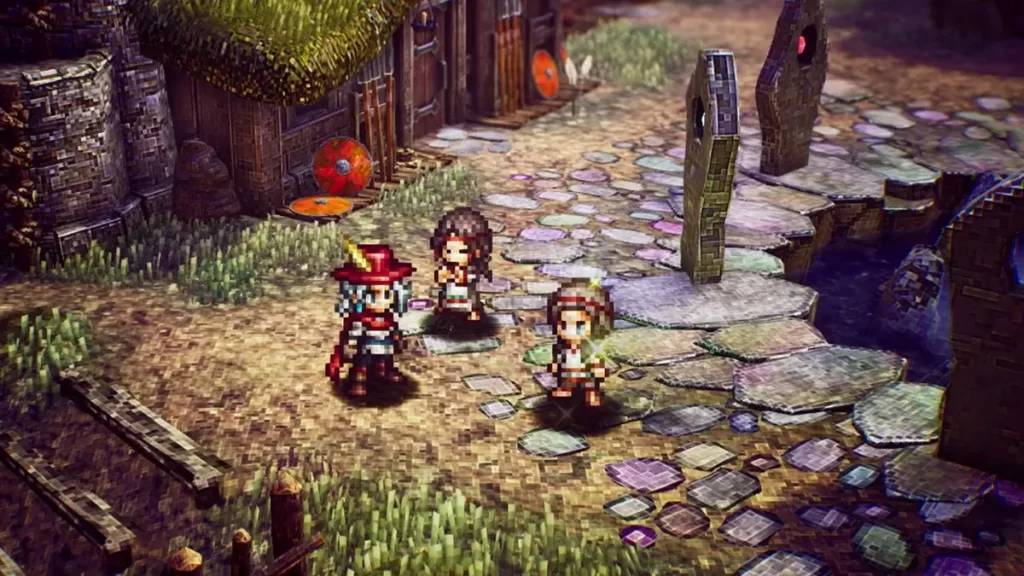
Elliot isn’t a pure walking simulator, nor is it a full-blown action game. It threads the needle beautifully between the two.
Exploration is the star. Each era is a semi-open hub world with verticality that actually matters. You’ll climb ziggurats in ancient times using Elliot’s growing set of “Echo Abilities”—think a mix of Prince of Persia parkour and Breath of the Wild physics-based traversal. The Millennium Walker powers let you “phase” through certain objects, slow down time briefly in combat and puzzles, and later on, create temporary time duplicates of yourself to solve environmental puzzles. It never feels overpowered because the worlds are designed around these abilities in smart ways.
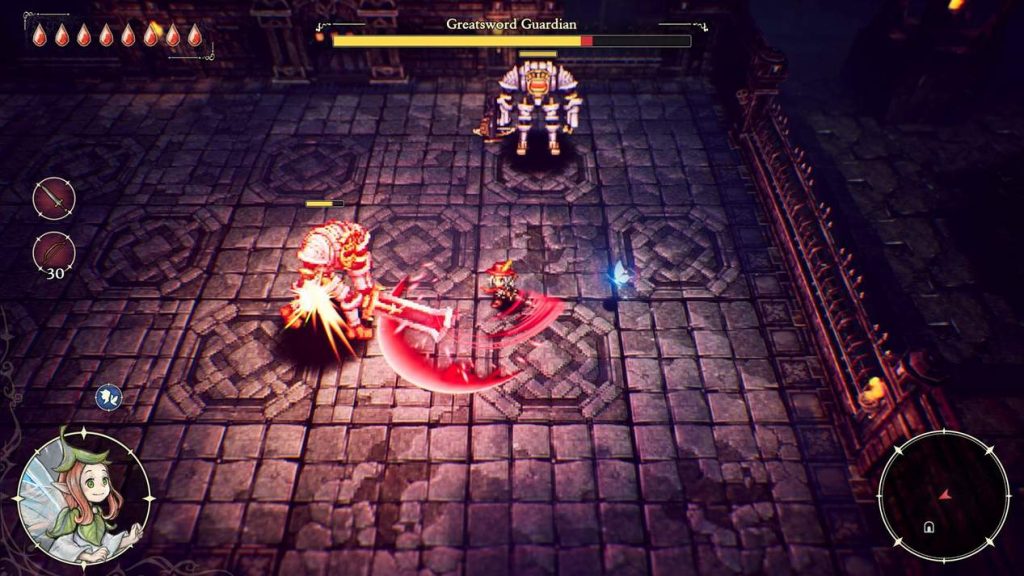
Combat is surprisingly satisfying. It’s real-time with a light souls-lite dodge-and-parry system, but you can also lean into stealth or clever use of the environment. Fighting a mechanical behemoth in a collapsing future factory while dodging collapsing walkways and using time-slow to line up weak points feels cinematic without being scripted. Boss fights are memorable, especially one in feudal Japan (yes, that era is in here) that plays like a deadly dance.
Puzzles are where the game shines brightest. They integrate the time-travel mechanic in clever ways. One standout has you manipulating echoes of the same room across three different time periods simultaneously—moving an object in the past affects the present, which you then use to reach the future. It never punishes trial-and-error too harshly, and the hint system is optional and well-written.
The RPG lite elements come through in skill trees tied to different historical “Echoes” you collect. You can lean into Scholar (more dialogue options and puzzle hints), Warrior (combat upgrades), or Wanderer (traversal and stealth). I went full Wanderer on my first run and never felt locked out of content.
Side quests are excellent. Many of them span multiple timelines. Helping a young inventor in Victorian London might require you to deliver a component from a future lab, which itself requires fixing something in ancient times. It creates this beautiful web of cause and effect that makes the world feel interconnected.
Presentation: Stunning, If Occasionally Janky
Visually, The Adventures of Elliot is a treat. Unreal Engine 5’s Lumen and Nanite are pushed hard here. The lighting in the ancient Mesopotamian nights, with torchlight reflecting off golden temples, is breathtaking. The future city’s rain-slicked neon streets look like they belong in a AAA blockbuster. Character models are detailed, especially faces during dialogue. Elliot’s expressions actually convey emotion instead of the usual blank-slate treatment.
There are some performance issues on base PS5—occasional hitching when loading new timelines—but nothing game-breaking. PC players with decent hardware will have a smoother time. I played on a mid-range RTX 4070 rig at 1440p ultra and rarely dipped below 90fps.
The art direction deserves special praise. Each era has a distinct visual language. The Victorian chapter feels like a moving painting, while the dystopian future has this oppressive, Blade Runner 2049 grandeur. Costume and weapon design evolves with your progression through time, which is a nice touch.
Sound design is top-tier. Footsteps change based on surface and era. The score, composed by rising talent Lena Voss (no relation to Elliot, apparently), blends orchestral swells with period-appropriate instruments and subtle electronic layers. The theme that plays during major timeline shifts gave me chills every single time. Voice acting is mostly excellent—Elliot’s actor nails the blend of snark and vulnerability. Some supporting characters feel a bit stiff, but it’s a minor complaint.
The Little Things That Matter
ChronoForge clearly sweated the details:
- A robust photo mode with timeline filters.
- Accessibility options that actually go deep (including adjustable time-slow duration for players with motor issues).
- New Game+ that carries over certain Echo Memories for even wilder playthroughs.
- Collectibles that aren’t just pointless trophies—many unlock lore codex entries that flesh out the world’s mythology.
The game also respects your time. Main story clocks in around 25-30 hours, but completionists will easily hit 60+. No filler content, either. Every side activity feels purposeful.
Criticisms and Nitpicks
No review is complete without balance. The biggest issue is technical polish. While beautiful, the game shipped with some bugs—floating NPCs in one hub, a quest that wouldn’t trigger for some players on Xbox, and occasional soft locks if you misuse time abilities in unintended ways. Patches are already rolling out, and the studio seems responsive on social media.
The difficulty curve is uneven. Early game is fairly gentle, then a brutal spike in the mid-game war chapter had me dying repeatedly. The final boss is tough but fair.
Some players might find the story’s emotional weight overwhelming. This isn’t a lighthearted romp; there are heavy themes—loss, the weight of legacy, moral ambiguity of changing history. If you want pure power fantasy, look elsewhere.
Why It Matters in 2026
In an era where many big releases feel like live-service husks or safe remakes, The Adventures of Elliot: The Millennium Tales feels like a throwback to the ambitious single-player adventures of the PS3/Xbox 360 era, but with modern sensibilities. It reminds me of what Assassin’s Creed could have been if it focused more on story and less on bloat. Or Tomb Raider meets Chrono Trigger with the soul of What Remains of Edith Finch.
It’s not perfect. It stumbles in places where bigger budgets or more QA might have smoothed things out. But its heart is in the right place, and that heart beats strongly enough to carry you through any rough edges.
If you love stories about connection across time, clever puzzles, and worlds that feel worth exploring, do yourself a favor and play The Adventures of Elliot. It’s the kind of game that lingers with you—making you think about your own “echoes” and the small choices that shape everything that comes after.
Final Score: 8.7/10
A near-masterpiece held back only by some launch jank and occasional pacing issues. ChronoForge has announced two major DLC expansions for late 2026 and 2027. If they maintain this quality, we might be looking at a new franchise worth following.
I can’t wait to see where Elliot walks next.
