
Disgaea Mayhem Review: When the Netherworld Trades Chess for Chaos
Look, I’ve been around the Disgaea block more times than I can count. Grid-based maps, Geo Panels, throwing Prinnies at each other until the damage numbers stop making sense—it’s comfort food for a certain kind of player. So when Nippon Ichi announced they were yanking the series into real-time action territory, I raised an eyebrow. Hard. Dynasty Warriors meets Disgaea? The same studio that once made me spend forty hours optimizing a single axe’s Item World run was now promising button-mashing hordes and seven different ways to swing a sword? Curiosity won. I jumped in the day it hit the West on July 23, 2026.
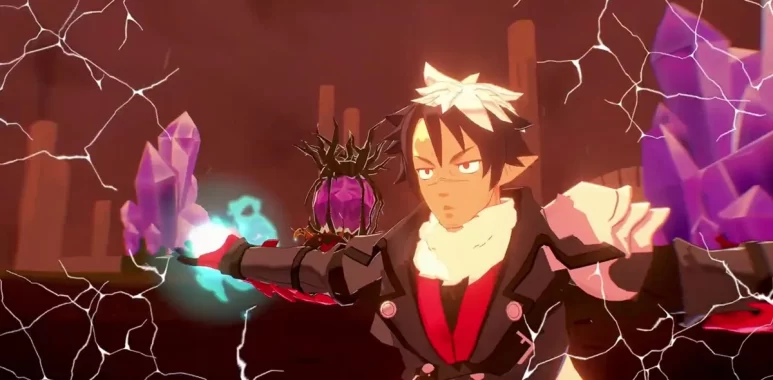
Disgaea Mayhem (or Kyouran Makaism if you’re keeping the Japanese title straight) is a proper spin-off, not a numbered mainline entry. It launched earlier in Japan and Asia, then arrived on PS5, Switch, Switch 2, and PC. The pitch is simple: take everything that makes Disgaea feel like Disgaea—the absurd power fantasy, the Dark Assembly politics, the Item World grinding, the Magichange nonsense—and wrap it around real-time combat instead of turn-based tactics. You control one guy, N.A., a gruff mercenary with a sweet tooth who gets hired by the new Overlord of the Super Duper Netherworld, a princess named Tichelle. Her late father’s legendary flan (sometimes called the Pristine Gleam Flan or First Radiance Pudding depending on the translation) has been stolen by rebellious vassals. Your job is to get it back. That’s the plot. Flan. Rebellion. More flan. N.A. spends half the game muttering about how ridiculous this all is, which is both meta and accurate.
The Combat: Satisfying Until It Isn’t
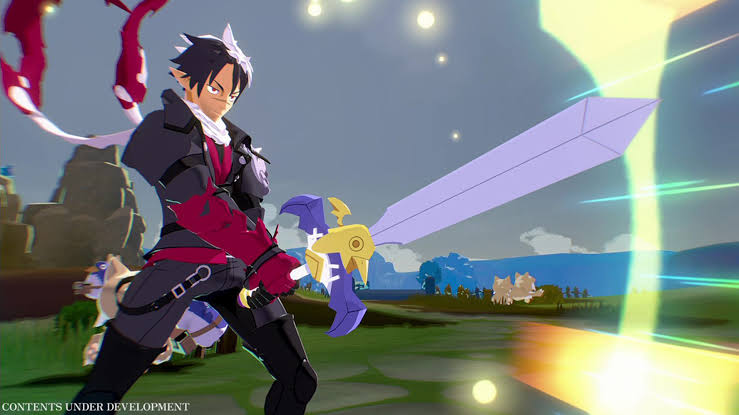
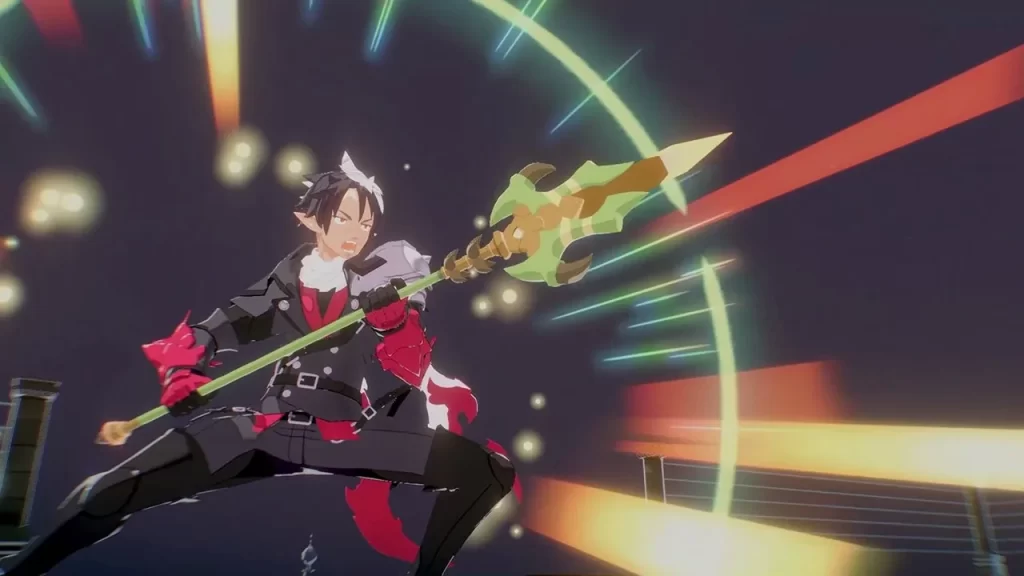
The first thing that hits you is how different it feels. You’re not positioning a party of demons across a chessboard. You’re N.A., dropped into a stage, and the camera sits behind you while you hack through groups of enemies. There are seven weapon types—fist, sword, spear, axe, bow, gun, and staff—and you can swap between them freely. Each one changes your range, attack speed, and special skills. Sword feels classic and reliable. Fist is punchy and close. Axe hits like a truck but leaves you open. Bow and gun let you keep distance. Staff leans magical. Special techniques are tied to each weapon, and Magichange still exists so you can turn recruited demons into temporary weapon upgrades mid-fight.
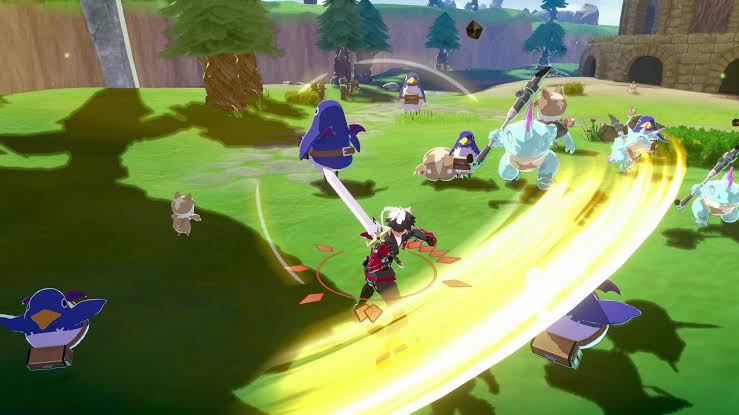
It’s pure Musou-lite. Stages are short—often two or three minutes—and structured like little arena runs: clear the trash, move to the next area, face a boss. Damage numbers explode across the screen in classic Disgaea fashion once you start powering up. Watching a million-point critical land after a long combo still scratches that same itch the series has always delivered. The combat has weight and spectacle when it clicks. Switching weapons on the fly keeps things from feeling completely samey in the early hours, and the simple controls make it accessible. Anyone who’s played a Warriors game or a more straightforward action RPG will settle in fast.
But the novelty wears. Enemy variety is limited. You’ll see the same few designs recolored and leveled up repeatedly. Combos don’t always flow as smoothly as they should; some weapons feel stiff or awkward, and the overall feel never quite reaches the fluid, addictive rhythm of the best games in the genre. You’re almost always alone as N.A. (or later unlocked characters in certain setups), so the sense of commanding a chaotic army is gone. What remains is a competent but occasionally clunky hack-and-slash loop that leans hard on the series’ progression systems to stay interesting.
The Systems Still Go Brrr
Here’s the part that works. Mayhem keeps the Disgaea soul intact even as the combat changes. You still dive into the Item World to level up gear, recruiting Innocents and chasing better rolls. The Dark Chocolate Assembly (yes, they renamed it for the flan theme) lets you pass bills that tweak rewards, difficulty, and all the usual cheats. Reincarnation is here, so you can reset to level 1 while keeping stat bonuses and climb higher. Character World (or Chara World) exists for deeper customization. Levels go to 9999. You can recruit classic demons, including Prinnies, and use them as battle buddies or Magichange fodder. The Cheat Shop lets you crank experience and money multipliers to ridiculous heights.
Once the main story ends—and it ends fast—these systems become the real game. The post-game and Carnage content demand serious grinding. That’s classic Disgaea. The difference is that the foundation underneath is thinner. Mainline games give you a sprawling campaign, dozens of unique maps, and a party full of distinct personalities to keep the grind from feeling empty. Mayhem’s campaign is short. Most reviewers clocked the main story between five and ten hours depending on how much side stuff they did. Stages are brief and repetitive. Side content is sparse until the post-game opens up, and even then it mostly means more of the same stages at higher difficulty.
I spent a lot of time in the Item World after rolling credits, just because the number-go-up loop still works. There’s a certain pure joy in turning N.A. into an unstoppable force that one-shots everything. But the journey there feels padded rather than dense. Unlocking some of the better post-game options requires mana grinding and Assembly votes that can feel like chores. If you’re the type who lives for optimizing builds and chasing level 9999, you’ll find enough to keep you busy for dozens of hours. If you wanted a full action-RPG campaign with real variety, this will feel incomplete.
Story, Characters, and Tone
The story is pure Disgaea absurdity. Everything revolves around flan. The rebels stole pieces of the sacred dessert. Every confrontation somehow circles back to pudding preferences. Tichelle is cheerful, sheltered, and completely obsessed. N.A. is the straight man who keeps pointing out how insane the premise is. Their dynamic has a few quiet moments that land, and the game doesn’t force deep emotional arcs. It stays light, silly, and self-aware. Cutscenes are sparse and mostly visual-novel style with 3D models. Voice work (English and Japanese options) is solid enough for the tone.
It never overstays its welcome, which is both a strength and a weakness. The flan joke is funny for the first few hours. By the end it’s worn thin. Side characters appear, deliver their gags, and vanish. There’s no real sense of a living Netherworld full of recurring weirdos the way the main series usually delivers. The humor still works in short bursts—Prinnies remaining Prinnies is always a win—but the writing doesn’t have the room or the ambition to do more.
Presentation and Technical Side
Visually it’s pure modern Disgaea: bright, exaggerated, colorful characters that look like they stepped out of Takehito Harada’s sketchbook into 3D. Environments are functional but often flat and repetitive. Performance varies by platform. PS5 and PC are the safer bets. Switch and Switch 2 versions exist, but the portable experience is compromised in places according to most technical comparisons. The soundtrack does its job with energetic tracks that fit the chaos, though nothing stuck with me the way older Disgaea themes have.
Who Is This Actually For?
Disgaea Mayhem is a fascinating experiment that only half works. The combat is fun in short sessions and the progression systems still deliver that signature “I am become death, destroyer of damage caps” high. Fans who just want to see the series try something new will probably enjoy the novelty, especially if they treat the main story as a long tutorial for the real endgame grind. Newcomers who bounce off tactical grids might finally have an entry point that doesn’t require learning Geo effects and throw physics on day one.
But it’s also clearly a first attempt. The campaign is too short and too thin. The action never reaches the polish of dedicated Musou or action-RPG titles. The story is disposable even by Disgaea standards. At full price it feels light. A mid-tier price or a solid discount would make the recommendation easier.
I finished the story, spent a while breaking the game with Item World runs, and walked away mostly entertained but not blown away. It’s the kind of game that makes you think, “Okay, that was neat—now give me the version where they fix the clunky parts, flesh out the campaign, and let me control a full party of demons in real time.” Whether that sequel ever happens is anyone’s guess. For now, Mayhem is a curious side path: familiar systems wearing a new combat coat that doesn’t quite fit as well as the old one.
If you live for the grind and the numbers, dive in. If you want the full Disgaea experience of ridiculous stories, deep tactics, and a hundred hours of side content, stick with the mainline games. This one is mayhem, all right—just not quite enough of it.
