
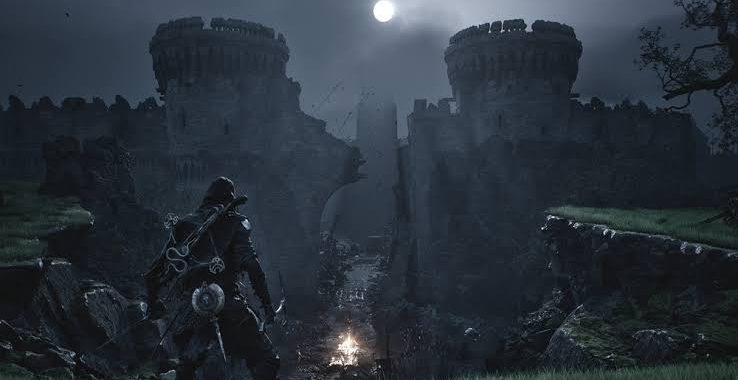
Mortal Shell II Review: A Heavy Metal Soulslike That Actually Gets It Right
I finished the first Mortal Shell back in 2020 and mostly liked it. The Harden mechanic was clever, the shells gave it personality, and the grimy, metal-as-hell aesthetic stuck with me longer than a lot of bigger-budget Soulslikes. But it was also janky, short, and ran out of ideas before the end. When Cold Symmetry announced a full sequel, I was cautiously optimistic. Six years is a long time for an indie team. I didn’t expect them to deliver something this confident.
Mortal Shell II is out now on PS5, Xbox Series X/S, and PC. It’s a standalone sequel, so you don’t need to have played the first one, though returning players will catch a few nods. I’ve put about 35 hours into it across normal and the harder Night mode. Here’s the short version: it’s a massive improvement. Not just “better in every way” marketing speak. Actually better.
The Setup Without the Usual Lore Dump
You play as the Harbinger, hatched from one of the Undermether’s remaining clean eggs. The Undermether is this eldritch god-thing that crash-landed in the realm. Locals carved temples out of her bones, stole most of her ova, and everything went predictably sideways. Your job is to reclaim the stolen eggs from the various factions and twisted guardians who’ve claimed them. Classic Soulslike quest structure, but the tone is different. It’s less “noble struggle against the dark” and more “heavy metal album cover about sacrilege and body horror.”
The story itself is still pretty sparse in the traditional sense. You get the broad strokes through environmental storytelling, some NPC chatter, and the personal histories of the shells you possess. Those shell memories are the real narrative payoff. Instead of dry item descriptions, you get short playable flashbacks that actually show who these warriors were before they became empty vessels. Some are tragic. Some are darkly funny. A few hit harder than I expected. It’s not revolutionary, but it’s more character-focused than most games in this genre bother to be.
Combat That Actually Flows
The biggest change is the complete removal of the stamina bar. You can swing as much as you want. At first I worried this would turn every fight into mindless button-mashing. It doesn’t. Enemies are denser, more aggressive in groups, and better at interrupting you. The rhythm becomes about prioritising threats, managing posture (their break meter), and deciding when to commit.
Harden is still here, but it’s no longer the only option. Seals let you choose how you handle incoming damage. One keeps a traditional block with a parry window. Another tightens the parry but removes the safety net of blocking. The Harden seal is still the most forgiving if timing isn’t your strong suit. You can switch between them, and each feels meaningfully different. Resolve builds as you land hits and fuels your shell abilities and sidearms. It encourages aggression without making defense optional.
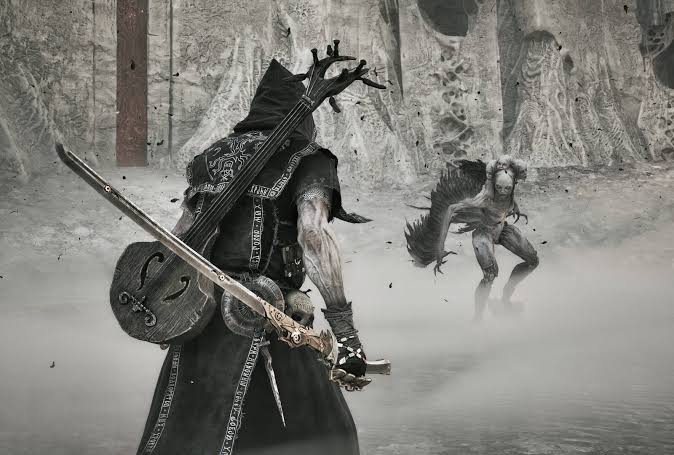
Weapons have more weight and variety this time. Greatswords still feel chunky. The dual axe-and-dagger set is fast and nasty. There’s a scythe, a pike, a double-headed axe, and a few others. Sidearms range from a multi-shot crossbow to a literal lute you can play mid-fight (or just sit down and jam with for the hell of it). Finishing moves are brutal and satisfying. Decapitating something with a heavy horizontal swing never gets old.
Dying still kicks you out of your shell. You become the fragile Harbinger again and have to fight your way back in by landing melee hits. It’s tense early on and still carries weight later, especially when you’re deep in a dungeon with a full inventory of Gloom on the line.
Eight Shells, Real Build Variety
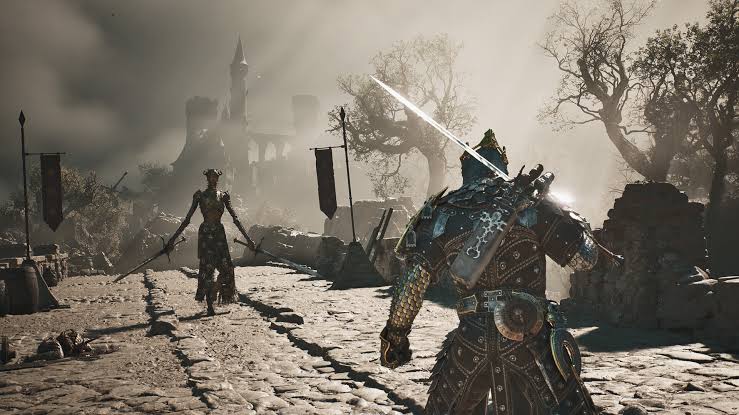
There are eight shells now instead of four. You find them scattered around the world, usually at their final resting places. Some are easy to stumble across. Others require real exploration or spending a limited currency for map hints. Each one has its own ability kit, underlying stats, and a skill tree you invest Glimpse into. You can reallocate points at any beacon, which is a welcome quality-of-life change.
I spent most of my time with Eredrim, the big armored tank who shoulder-charges people and has crowd-control tools. Proxima is a more aggressive, hook-and-drag style that rewards staying in the mix. Tiel is the classic sneaky one. There’s a time-stop shell, a summoner, and a few others that change the entire feel of combat. Switching shells mid-playthrough is seamless and often necessary for specific areas or bosses. The buildcrafting with Tarstones (passive and active modifiers) on top of the shell trees gives you a lot of room to experiment without the usual “fifty nearly identical swords” problem.
The economy was a bit tight at launch. Gold and upgrade materials felt scarce, and there was some awkwardness around fully upgrading Tarstones. Cold Symmetry already dropped a balance patch on day one that increased gold drops significantly and cut the cost of smelting weapons. It’s a good sign they were listening.
A Compact Open World That Respects Your Time
The world is described as “expansive yet deliberately compact,” and that description is accurate. It’s not Elden Ring scale. You can cross large portions of it relatively quickly once you’ve opened a few gates. But it’s dense. Paths twist back on themselves. Verticality is used well. Dead ends usually hide something— a shell, a weapon, a Tarstone, a short dungeon, or just a grotesque piece of environmental storytelling.
There are more than sixty dungeons. Some are pure combat arenas. Others mess with the rules— inverted controls, lighthouse spotlights you have to avoid, sections where you have to walk backwards through walls. A few are just atmospheric set pieces. Completing them almost always gives you something useful. The same goes for the corrupted statue encounters that lock you into wave fights. The main path involves hunting the major ovum thieves through Corrupted Gates, but the real pleasure is wandering off that path and finding weird stuff.
Beacons (the checkpoints) are sometimes inconsistently placed. You’ll hit clusters of them in one area and then go long stretches without one. It’s deliberate tension, but occasionally it tips into frustration when you die and have a long run back. The map itself is readable once you get used to the style, and the interconnectivity feels intentional rather than accidental.
Atmosphere, Presentation, and That Metal Soul
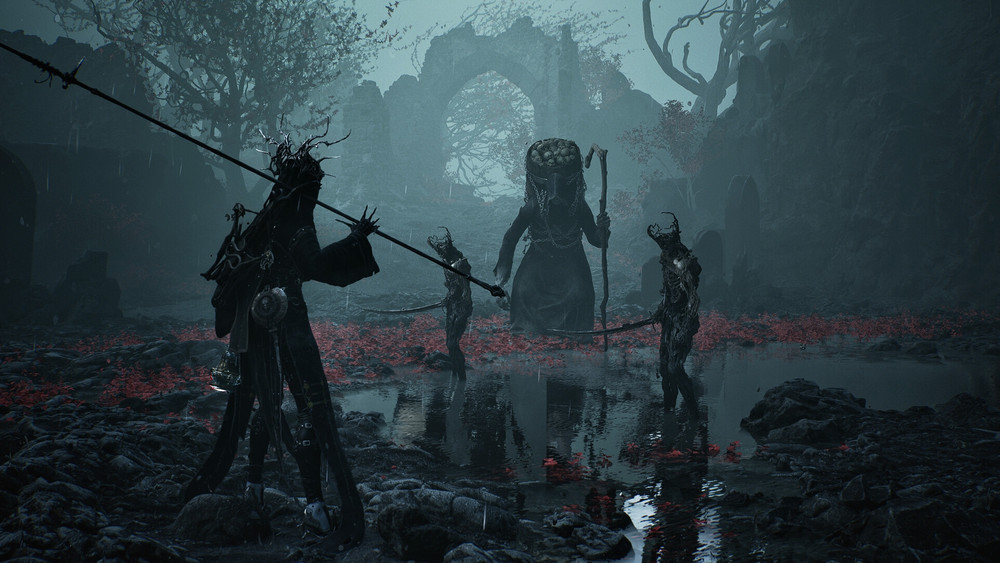
Visually, this is pure heavy metal album cover. Spiked armor, peeling flesh, bone architecture, giant snails in bells, faces on legs, sentient trees, too many spiders. The art direction is consistent and confident. It’s not the highest-fidelity game of 2026, but the style carries it. Performance on PC has been solid for me. Frame rates held up even in denser areas, and load times are short.
The soundtrack leans into the same doom-laden, riff-heavy territory as the first game, but with more variety. Combat music hits harder. Quiet exploration tracks have that lonely, oppressive quality the genre does well. Sound design on weapons and enemy attacks is meaty. When you Harden and the impact lands, you feel it.
There’s also more humor than I expected. Not constant gag humor, but a dry, bleak kind that fits the world. Dancing accordion enemies. A boss on a rocket-powered mobility scooter. The ability to put a cute flower crown from the opening village on every shell, including the biggest, ugliest ones. The One Legged Wolf tavern is a perfect little pocket of weirdness where the local thugs just want to drink and listen to the lute player (until you accidentally shoot him). These moments keep the constant dread from becoming monotonous.
The Rough Edges
It’s not perfect. Some bosses lean too hard on unblockable attack spam, which flattens the fight into a waiting game. Early-game damage output can feel low enough that running past packs is sometimes the smarter move. A few animation locks during ripostes leave you open longer than they should. The Tarstone upgrade loop had that awkward “upgrade the ones you don’t want so you can upgrade the ones you do” problem before the patch. And while the world is dense, some of the later Corrupted Gate sections start to feel formulaic.
None of these are deal-breakers. They’re the kinds of issues that feel fixable, and the day-one patch already addressed the biggest economy complaints.
Final Thoughts
Mortal Shell II takes everything that made the original interesting and builds a real game around it. The combat has a distinct rhythm that doesn’t just copy FromSoftware’s homework. The shells give you genuine identity and variety without drowning you in spreadsheets. The world is big enough to explore but tight enough that you rarely feel like you’re wasting time. And the whole thing is wrapped in an aesthetic and tone that actually stands out in a crowded genre.
I went in hoping for a solid sequel. I came out thinking this might be one of the stronger Soulslikes of the last few years. It’s accessible without being soft. It’s challenging without being mean-spirited. And it has enough personality that I kept playing long after the main quest was done, just to see what else was tucked away in the corners.
If you bounced off the first game because of the jank or the limited scope, this is worth another look. If you liked the first one, you’re going to have a great time. And if you’re just looking for something with weighty combat, memorable enemy design, and a world that feels like a black-metal concept album come to life, Mortal Shell II delivers.
It’s not trying to be the next Elden Ring. It’s trying to be the best version of itself. For once, that actually worked.
Score: 9/10
Played on PC. Review based on a near-complete playthrough of the main campaign, multiple shells, and a solid chunk of the optional content. Day-one balance patch applied.
