
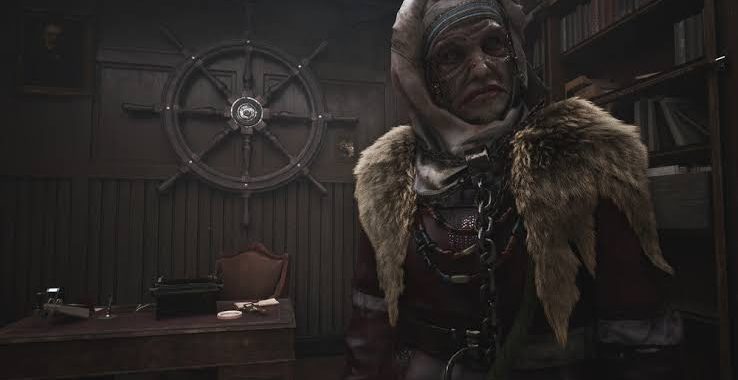
The Sinking City 2 Review: Flooded Streets, Eldritch Nightmares, and a Studio That Refused to Quit
Four days after it hit PC, PlayStation 5, and Xbox Series X/S, I’ve finished The Sinking City 2. I’ve sat with it. I’ve gone back for a second partial run. And I keep thinking about how a Ukrainian studio, working through blackouts, air-raid sirens, and the constant threat of losing people to the front or to damaged homes, somehow delivered one of the more confident survival-horror experiences of the year.
This is not a perfect game. It is not trying to reinvent the wheel. What it is, though, is a clear-eyed, atmospheric, occasionally brilliant piece of Lovecraftian pulp that understands both its source material and the classic Resident Evil formula better than a lot of bigger-budget efforts. It also happens to be a sequel that almost completely abandons what its predecessor was known for, and somehow that gamble mostly pays off.
From Oakmont to Arkham, and From Investigation to Survival
If you played the original The Sinking City in 2019, you remember the open-world detective loop: wandering a flooded New England city, collecting clues, reconstructing scenes in your mind’s eye, and making moral choices that actually mattered. It was ambitious, atmospheric, and frequently janky. Combat was awkward. The world felt big but empty. Still, it had a certain pulpy charm.
Frogwares looked at that foundation and decided to burn most of it down. The Sinking City 2 is a standalone story. Charles Reed is gone. The setting moves from the invented city of Oakmont to the far more familiar Arkham. The open-world investigation system is largely stripped out and replaced with tighter, more linear (or at least more directed) survival-horror design. Inventory management, scarce ammunition, backtracking through shortcuts, environmental puzzles, and tense combat against things that should not exist take center stage.
You play as Calvin Rafferty, an occult adventurer with the energy of a slightly less charming Indiana Jones. After a ritual meant to take him and his girlfriend Faye into the Dreamlands goes catastrophically wrong, Faye ends up trapped in a supernatural coma. Calvin refuses to leave the flooding, monster-infested city of Arkham. He will find a way to bring her back, even if it means dealing with Deep Ones, the Slither (possessed, twisted corpses that move in deeply wrong ways), and whatever ancient thing is stirring beneath the rising water.
The story is pure pulp Lovecraft. It leans into the cosmic indifference, the sense that humanity is a temporary inconvenience, and the personal cost of dabbling in things beyond comprehension. It is also, at its core, a love story told through desperation. Calvin’s motivation is simple and effective: he messed up, and he will not abandon her. Faye eventually becomes more present than you might expect, communicating in ways that feel both intimate and unsettling. The writing is not always subtle—some of the dialogue is overwrought in that classic pulp way—but it lands more often than it misses.
The Feel of a Drowning City
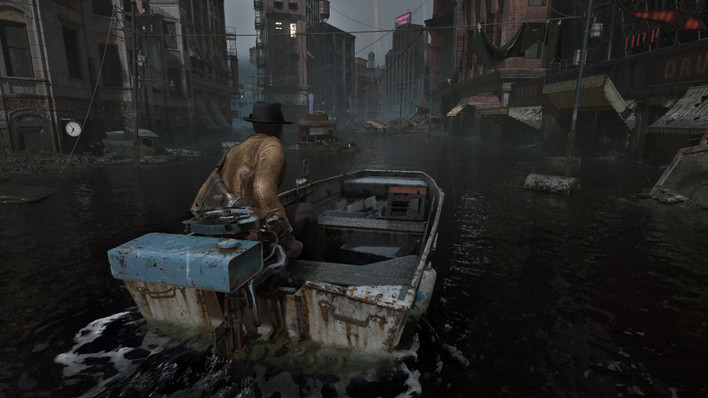
Arkham in 1926 (or whatever exact year this alternate history has settled on) looks and feels fantastic. Frogwares built this on Unreal Engine 5, and the art direction sells the decay. Tide-stained brick, half-submerged Art Deco signage, boarded-up speakeasies, crumbling mansions, a fish market that has become something far worse. You travel by foot and by small motorboat through districts that feel lived-in and then abandoned in a hurry. The water is not just set dressing; it changes routes over time, forces you to rethink paths, and occasionally hides things you would rather not find.
The semi-open structure of the early game works well. You have a hub-like feel in certain flooded neighborhoods, with shortcuts that open up as you progress, limited resources scattered around, and optional investigations that reward the curious with extra lore, better equipment, or alternate approaches. These optional threads are the ghost of the first game’s detective systems. They are no longer the main event, but they still matter if you want to dig deeper into the mythology or simply survive more comfortably.
Later sections tighten up into more traditional survival-horror corridors and set-piece locations—hospitals, markets, underground spaces—where the tension ratchets higher. The best moments come when the game trusts atmosphere over constant enemy pressure. Distant howls. Something moving just out of sight under the water. A room that feels wrong before anything actually happens. When The Sinking City 2 leans into dread rather than jump scares or endless combat, it is very good.
Combat, Inventory, and the Classic Formula
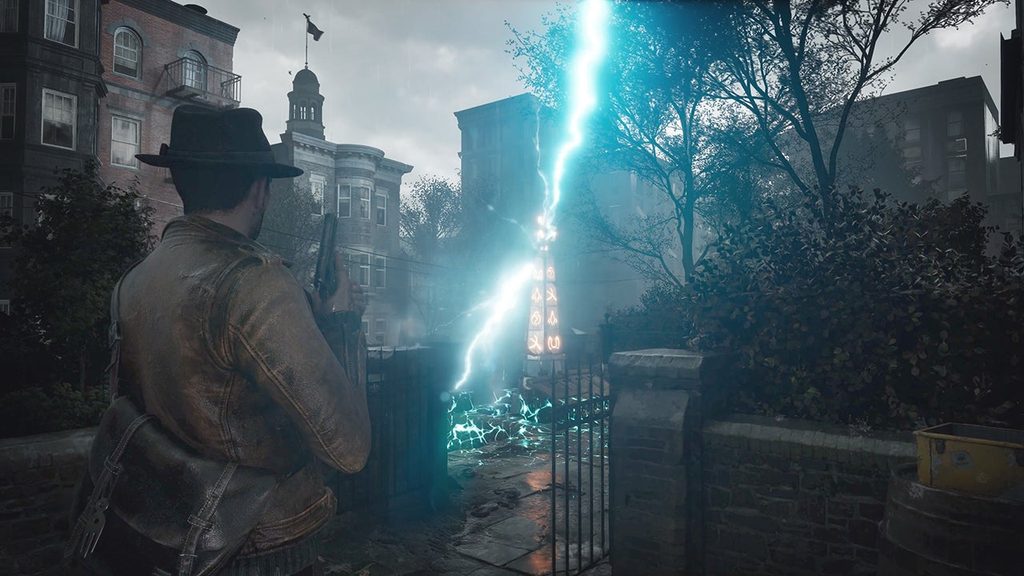
Combat is deliberate and resource-starved in the classic sense. You have 1920s-flavored firearms and melee options. Ammo is limited. Enemies—especially the Slither—can be persistent and nasty. Headshots matter. Positioning matters. Knowing when to fight and when to run (or when to use the environment against them) matters. It is not the most polished gunplay in the genre, but it feels weighty enough and tense enough that I rarely got bored of it.
The inventory system forces hard choices. Do you carry more healing items or more bullets? Do you pick up that new weapon mod now or save space for something else? Backtracking through unlocked shortcuts for supplies and upgrades is encouraged, and the game is better for it. Puzzles range from the expected code-and-key variety to more inventive, occasionally bizarre scenarios that feel true to the source material. One involving talking brains in jars stuck with me for the sheer weirdness of it. Another involving a crane and a rotting whale carcass was equal parts disgusting and clever.
There are rough edges. Enemy variety is not as deep as it could be. Some encounters feel more repetitive than scary. Facial animations and certain voice performances can be stiff—this is still a mid-budget game, and it shows in the character close-ups. The story’s central romance sometimes struggles under the weight of the dialogue. And the final act moves faster than I wanted; after spending time getting to know Arkham and its horrors, the ending felt a touch abrupt. New Game Plus exists but does not let you keep everything you earned, which is a missed opportunity for replay value.
Still, the overall loop works. Explore, scavenge, puzzle, survive, push deeper, manage your fear and your resources. It is familiar, but the Lovecraftian setting and the specific flavor of the monsters and locations keep it from feeling like pure imitation.
Atmosphere and Sound
The sound design and music do a lot of heavy lifting. Distant, wet, wrong noises. The creak of flooded buildings. Occasional bursts of 1920s-tinged score that somehow make the cosmic horror feel more grounded and more alien at the same time. When the game goes quiet, it is effective. When it fills the space with the suggestion of something massive moving far below, it is better.
Visually, the flooded city is the star. Lighting, water effects, and the slow decay of the environment sell the premise. Performance on the platforms I tried was solid enough, with the usual caveats about a day-one patch or two smoothing out hitching and driver-related issues.
Context Matters
It is impossible to talk about this game without acknowledging how it was made. Frogwares is a Ukrainian studio. Development began in 2023 and continued through years of war—power cuts, infrastructure attacks, team members relocating or being called up, air-raid interruptions. They launched a Kickstarter in 2025 partly to create a financial buffer for exactly these kinds of disruptions. The fact that the game exists at all, let alone in this relatively polished and ambitious form, is remarkable. That does not mean every criticism should be waved away. It does mean the achievement deserves recognition.
The game also sits at an interesting price point. The standard edition lands around $50 rather than the $70 that has become common. In a year of expensive releases, that feels like a quiet statement.
Who This Is For
If you want pure open-world investigation in the style of the first Sinking City, this is not that game. The detective systems are secondary now. If you want a classic survival-horror experience set in a richly realized, flooded 1920s Arkham full of Lovecraftian dread, resource tension, and the occasional burst of pulp absurdity, this is absolutely worth your time.
It is not the scariest game of the year. It is not the most innovative. But it is confident in its identity, strong in atmosphere, and surprisingly affecting in its central relationship. Calvin and Faye’s story—flawed, desperate, and human against something vast and indifferent—gives the cosmic horror a personal anchor that many games in this space lack.
I finished it wanting a little more Arkham, a little more time with the supporting characters, and a slightly more satisfying final stretch. I also finished it impressed that Frogwares pulled this off under the circumstances they faced. The Sinking City 2 is a solid, atmospheric, frequently gripping survival-horror game that honors its influences while carving out its own damp, rotting corner of the genre.
If the rising water and the things swimming in it sound like your kind of nightmare, dive in. Just keep an eye on your ammo count, watch the tide, and try not to think too hard about what is waiting under the surface.
Score: 8/10
A strong, atmospheric survival-horror entry that overcomes its rough edges through sheer commitment to mood, setting, and a studio’s refusal to sink.
