
Salkilld Stuns Gamrot: How an Aussie Contender Rewrote the Lightweight Script in One Round
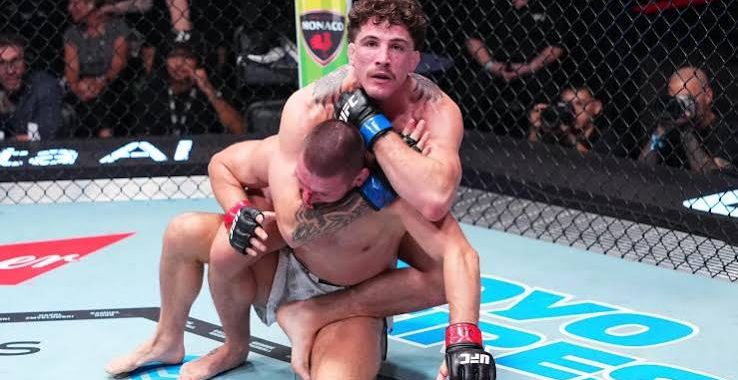
There are nights in the UFC when the script gets flipped so hard you can almost hear the collective intake of breath from the Meta APEX crowd and the people watching at home. August 8, 2026—UFC Fight Night, billed as Gamrot vs. Salkilld, also known as UFC Vegas 120—was one of those nights. What was supposed to be a measuring-stick fight for a rising Australian prospect against a battle-tested Polish veteran turned into a statement performance that announced Quillan Salkilld as a legitimate threat in the 155-pound division. By the time the clock hit 4:25 of the first round, Mateusz Gamrot was tapping to a rear-naked choke, and the lightweight landscape looked a little different.
This is the story of that fight: the buildup, the matchup breakdown, the key moments that decided it, and what it all means moving forward.
The Preview: Why This Matchup Mattered
Heading into the card, the lightweight division was as deep and chaotic as ever. Islam Makhachev still sat atop the mountain, but the contenders beneath him formed a crowded, talented pack. Mateusz Gamrot, the former KSW champion known as “Gamer,” had long been one of the toughest outs in the division. At 35, he brought a high-level wrestling base, grinding pressure, and the kind of durability that comes from years of fighting elite competition. His UFC résumé included wins over names like Arman Tsarukyan and a recent second-round arm-triangle submission of Esteban Ribovics. Losses to Charles Oliveira and others had kept him just outside the absolute top tier, but few questioned his skill. A win here would have put him back in serious contender conversation.
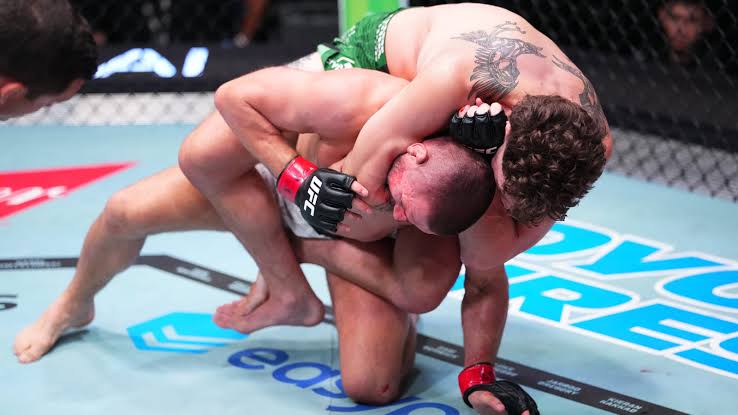
Across the octagon stood Quillan Salkilld, the 26-year-old from Western Australia. Undefeated in the UFC at 5-0 (heading into the fight; he left 6-0), Salkilld had been finishing people at a ridiculous rate. Four of his five UFC wins had come in the first round. He had the length, the athleticism, the finishing instinct, and a growing reputation as a complete fighter who could strike or grapple. He had called for bigger tests, and the UFC delivered by matching him with Gamrot in the main event of a renovated Meta APEX card. Odds were close—Salkilld a slight favorite in many books—but the conventional wisdom leaned toward a grueling fight. Gamrot’s wrestling was expected to be the equalizer. Salkilld’s striking and youth were supposed to keep it competitive on the feet. Few predicted a one-sided, first-round submission of the veteran.
The stakes were clear. For Gamrot, it was about proving he still belonged in the upper half of the rankings and generating momentum for another title run. For Salkilld, it was the jump from prospect to contender. A dominant win would force the ranking committee and the matchmakers to take him seriously. A close decision or a loss would slow the hype train. The Apex had been expanded for more fans, the card had depth, and the main event carried real ranking implications. Everything was set for a competitive scrap. Then the fight started.
The Analysis: Styles, Strengths, and Where the Fight Was Won
On paper, this was a classic striker-wrestler clash with some modern wrinkles. Gamrot’s game is built on pressure wrestling, chain takedowns, top control, and opportunistic submissions. He is excellent at closing distance, using the clinch, and making opponents uncomfortable for long stretches. His striking is functional rather than flashy—enough to set up the entries. Age had started to show in spots against elite athletes, but his experience remained a massive asset.
Salkilld entered as the longer, younger, more athletic fighter with real finishing power. He had shown improved wrestling and grappling in recent outings, but the prevailing assumption was that he would need to keep the fight standing or at least avoid extended bottom time against a specialist like Gamrot. What people underestimated was how complete Salkilld’s game had become. He didn’t just survive Gamrot’s grappling—he flipped the script and used it against him.
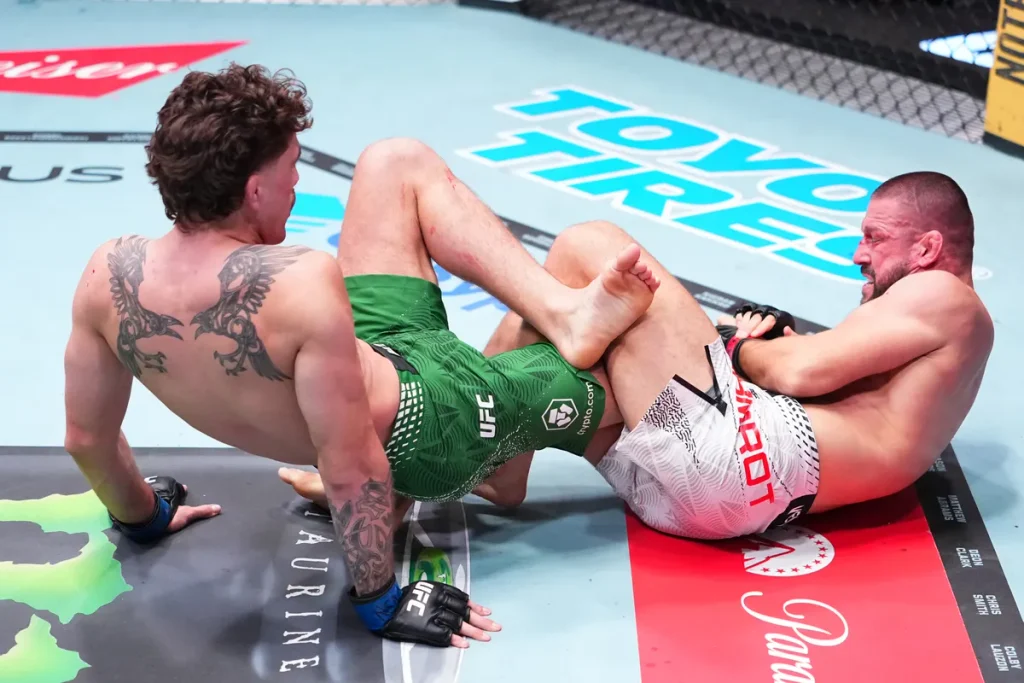
The early striking exchanges told the first part of the story. Salkilld’s jab and straight punches found a home quickly. Gamrot, usually the aggressor, found himself on the defensive. A clean left hook or straight that rocked Gamrot forced the Polish fighter to shoot. That moment was pivotal. Instead of Salkilld being the one forced to defend takedowns all night, Gamrot was the one reacting. When Gamrot locked onto a leg and threatened an ankle lock in the scramble, Salkilld stayed calm, cleared the knee, and escaped. That sequence alone shifted the psychological dynamic. The supposed grappling edge wasn’t absolute.
From there, Salkilld’s confidence grew. He began dictating the terms. The takedown he scored later in the round wasn’t just opportunistic—it was timed against a fighter who expected to be the one initiating the ground game. Once Salkilld got to the back, the finish became a matter of time and technique. Gamrot defended as best he could, but the body lock, the hand-fighting, and the eventual squeeze under the chin (or close enough that the pressure was unbearable) left him no options. The tap at 4:25 was the logical conclusion of a fight that had gone almost entirely Salkilld’s way after the opening minute.
Statistically it was even more lopsided than the eye test suggested in spots. Gamrot’s significant strike output was minimal. Salkilld controlled the pace, the location, and the threat level. For a fighter known primarily for his striking and athleticism, the submission finish against a high-level grappler carried extra weight. It wasn’t a fluke scramble. It was the product of composure under pressure, sound defense, and the willingness to meet the opponent in his preferred area and still win.
There were also intangibles. Main-event pressure can freeze younger fighters. Salkilld looked like he belonged. The Apex environment, the brighter lights of a headlining slot, the weight of facing a ranked veteran—none of it seemed to bother him. Post-fight he was blunt: he had just shown he was the real deal and wanted top-five competition. That kind of self-belief, backed by performance, is dangerous in a stacked division.
Top Highlights: The Moments That Defined the Night
A few sequences stand out as the true turning points and signature moments of the bout.
The early striking success set the tone. Salkilld’s jab and power punches immediately put Gamrot on the back foot. When a clean shot visibly affected the veteran, the entire complexion of the fight changed. Gamrot’s instinctive shot for a takedown was understandable, but it handed Salkilld the chance to show his defensive grappling under live fire.
The leg-lock scramble was the second major highlight. Gamrot is dangerous from those positions. Many fighters panic when a high-level wrestler latches onto a limb. Salkilld didn’t. He methodically cleared the danger, got back to his feet, and resumed controlling the action. That escape wasn’t just survival—it was a statement that Gamrot’s best weapons wouldn’t be enough.
Salkilld’s own takedown later in the round ranks as one of the most surprising moments of the night. Against a fighter whose entire identity is built around wrestling, the Australian changed levels cleanly and put Gamrot on his back. From there the path to the finish was clear. The transition to the back, the body triangle or control, and the eventual rear-naked choke were clinical. Gamrot fought the hands and tried to create space, but once the choke was locked the end came quickly. The tap at 4:25 closed a dominant round.
Post-fight, Salkilld’s celebration and comments provided the emotional highlight. The relief, the confidence, and the direct callout of the top five captured the moment perfectly. He had just beaten a respected veteran in emphatic fashion in his first main event. The Apex crowd responded, and the online reaction from fighters and fans followed. It felt like a genuine arrival.
Other card moments added texture—Diego Ferreira’s decision win over Billy Quarantillo, Yadier del Valle’s quick TKO of Darren Elkins, and various prelim finishes—but the main event was the clear centerpiece. Salkilld’s performance earned him a Performance of the Night bonus, continuing a strong run of post-fight awards.
The Summary: What Happened and What Comes Next
In the end, Quillan Salkilld defeated Mateusz Gamrot by rear-naked choke submission at 4:25 of Round 1. The Australian improved to 13-1 overall and 6-0 in the UFC. Gamrot fell to 26-5. The finish was Salkilld’s fourth consecutive first-round stoppage in the promotion and extended his overall win streak to 13.
The fight itself was a masterclass in adapting and imposing will. Salkilld used his striking to create openings, defended the expected grappling threats, then turned the tables with his own wrestling and submission skills. Gamrot never found the sustained pressure or top control that has defined so many of his wins. For a fighter who had built a career on making opponents uncomfortable, he spent most of the round reacting.
Looking ahead, Salkilld’s stock has risen sharply. A top-10 ranking was all but assured, and a top-five matchup feels like the logical next step. Names that were once distant targets now look realistic. Whether the UFC books him against another ranked contender in the fall or holds him for a bigger stage, the message is clear: the young Australian belongs in the conversation. Gamrot, still a high-level veteran, will likely take time to recover and reassess. Losses like this sting, especially when they come against a fighter many expected him to control. His experience and skill mean he remains dangerous, but the path back to contention just got steeper.
The broader lightweight picture remains fascinating. Depth at 155 is one of the UFC’s strengths, and nights like this remind everyone how quickly the hierarchy can shift. One dominant performance against the right opponent can accelerate a career by years. Salkilld just took that leap. He walked into the Apex as a rising prospect with serious upside. He walked out as a proven contender who had just submitted a ranked veteran in the first round of a main event.
For fans, it was the kind of fight that makes you rewatch the highlights. The early power shots, the scramble escape, the unexpected takedown, the choke. For the fighters involved, it was a night of validation for one and a hard lesson for the other. And for the division, it was another reminder that the next wave of talent is not waiting its turn politely. Quillan Salkilld announced his presence in the loudest way possible—by finishing a tough, skilled opponent before the first round even ended.
That is the lasting image from UFC Vegas 120: an Australian fighter on the back of a Polish veteran, arms locked tight, forcing the tap as the Apex crowd rose. The lightweight division just got more interesting.