
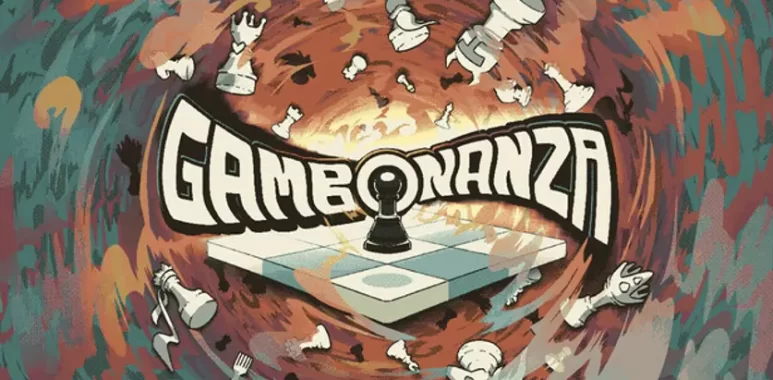
Gambonanza Review – Chaos, Comedy, and Surprisingly Smart Design
There are games that try to impress you with scale. Others chase realism, cinematic storytelling, or competitive precision. Then there are games like Gambonanza, which walk into the room wearing a ridiculous outfit, throw cards into the air, explode a slot machine for no reason, and somehow leave you completely obsessed for hours.
Released on May 1, 2026, Gambonanza arrived with very little mainstream hype compared to some of the bigger spring releases. Yet within days, clips of players screaming over impossible lucky streaks, catastrophic losses, and absurd mini-games started flooding social media. It quickly became one of those titles that people describe with phrases like, “You just have to play it to understand.”
And honestly, that’s true.
At first glance, Gambonanza looks like pure nonsense. Neon colors flash constantly. Characters talk over each other. The soundtrack swings from jazzy casino beats to electronic chaos without warning. One minute you’re carefully planning a strategy, and the next you’re betting fake shrimp tokens on a race between shopping carts. It feels intentionally overwhelming.
But underneath that chaos is a remarkably clever game.
What makes Gambonanza work is the balance between randomness and control. It understands the thrill of risk without becoming shallow. It constantly surprises players while quietly teaching them systems they can eventually master. The result is a game that feels unpredictable without feeling unfair — and that’s much harder to achieve than it sounds.
The game blends roguelike mechanics, casino-inspired systems, party-game energy, and tactical decision-making into something that doesn’t really fit into a clean genre category. That unusual identity becomes its greatest strength. Instead of copying trends, Gambonanza feels like developers genuinely experimenting with ideas they thought would be fun.
And fun is the key word here.
Not “important.”
Not “cinematic.”
Not “revolutionary.”
Just fun.
That sounds simple, but in modern gaming, it’s surprisingly rare to see a title fully commit to entertaining the player every second without trying to be overly serious. Gambonanza embraces silliness, but it never feels lazy. Every mechanic, visual gag, and ridiculous event feels handcrafted with intention.
By the time you finish your first few runs, you realize the madness has structure. The comedy has timing. The randomness has logic. And before long, you’re saying things like:
“Okay, one more run.”
Then suddenly it’s 3 a.m.
A World Built on Controlled Chaos
The setting of Gambonanza is difficult to explain because the game itself barely tries to explain it. You enter a bizarre entertainment metropolis where everything revolves around gambling, luck, performance, and spectacle. Massive floating casinos drift through the skyline. Mascots roam the streets. Game show hosts interrupt gameplay with ridiculous announcements. Even the menus feel alive.
The world feels less like a realistic city and more like a fever dream inspired by arcade culture, late-night television, and internet meme humor.
Surprisingly, though, the game’s universe ends up becoming memorable precisely because it refuses to overexplain itself. Instead of endless exposition dumps, players learn about the world through environmental storytelling, absurd NPC conversations, fake advertisements, and unexpected events.
One elevator ride might feature a dramatic speech about destiny. Another might include two raccoons arguing about taxes.
That unpredictability becomes part of the charm.
The art direction deserves enormous credit here. Gambonanza uses exaggerated lighting, saturated colors, animated backgrounds, and intentionally cluttered visual design to create a world that constantly feels active. Yet despite the visual noise, important gameplay information remains readable.
That’s impressive because lesser games often confuse “busy” with “interesting.” Gambonanza actually understands visual rhythm. The screen gets chaotic at times, but the player rarely loses track of what matters.
The game also knows exactly when to slow down. After especially intense rounds, quieter lounge areas or strange side rooms give players time to breathe before the next wave of insanity begins. Those pacing shifts prevent exhaustion and make the bigger moments hit harder.
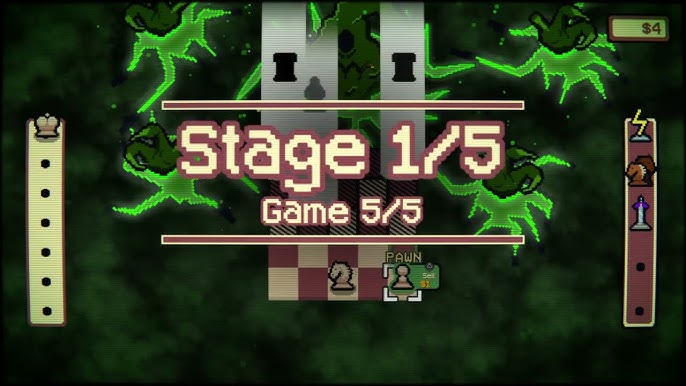
Gameplay That Turns Luck into Strategy
The core gameplay loop is where Gambonanza truly shines.
At its heart, the game revolves around runs where players collect resources, modifiers, boosts, and risk multipliers while navigating increasingly bizarre challenges. Every decision matters because almost every system interacts with another system in unexpected ways.
You might start a run focusing on probability manipulation, only to discover an item that rewards reckless betting. Suddenly your entire strategy changes.
A weaker game would let randomness dominate the experience. Gambonanza instead creates the illusion of chaos while rewarding adaptation and intelligent risk-taking.
That distinction matters.
The best roguelikes make players feel responsible for both success and failure, even when luck plays a major role. Gambonanza understands this perfectly. When you lose, it rarely feels arbitrary. Usually, you realize you got greedy, ignored warning signs, or took unnecessary risks chasing bigger rewards.
And greed is a central mechanic.
The game constantly tempts players.
Cash-out now for safety?
Or double your multiplier and risk everything?
Open the mysterious crate?
Or play conservatively?
Trust the suspicious dealer?
Or walk away?
Every run becomes a psychological battle against your own instincts.
What’s brilliant is how the game weaponizes human behavior. Players start recognizing their own habits. Some become overly cautious. Others spiral into reckless chaos after one lucky streak. The game quietly studies how people react to uncertainty and transforms that into entertainment.
The variety of activities also keeps things fresh. Beyond the main progression systems, Gambonanza constantly introduces strange side mechanics:
- Competitive mini-events
- Probability puzzles
- Time-limited bonus rounds
- Randomized challenges
- Fake advertisements that become playable
- Character-specific modifiers
- Hidden rooms
- Temporary rule changes
Just when players think they understand the game, something new appears.
That unpredictability is essential because repetition would kill a game built around excitement. Instead, Gambonanza keeps surprising players long after the opening hours.
The Humor Actually Lands
Comedy in video games is difficult.
Many games either try too hard or rely entirely on references and memes. Gambonanza avoids both traps by understanding comedic pacing. The humor feels natural because it grows from the game’s world and systems rather than interrupting them.
The writing is absurd, but self-aware in a smart way.
NPCs argue about meaningless statistics. Announcers overreact to tiny events like they’re world-ending disasters. Characters confidently explain mechanics that make absolutely no sense. Some jokes are visual, others are hidden in menus or item descriptions.
Importantly, the game doesn’t beg for laughs.
It throws ideas at players rapidly and trusts them to find the humor naturally. That confidence makes the comedy feel effortless instead of desperate.
Some of the funniest moments aren’t even scripted. They emerge from gameplay itself.
A perfect run collapsing because of one terrible decision.
A ridiculous combination of modifiers breaking the game balance.
A friend accidentally sabotaging the entire team in multiplayer.
These situations become memorable because the game systems support comedy organically.
Even the soundtrack contributes to the humor. Tracks dynamically shift based on player performance, sometimes becoming absurdly dramatic during completely unimportant moments. A tiny side bet suddenly sounds like the final boss battle of an epic RPG.
That commitment to the joke gives the game personality.
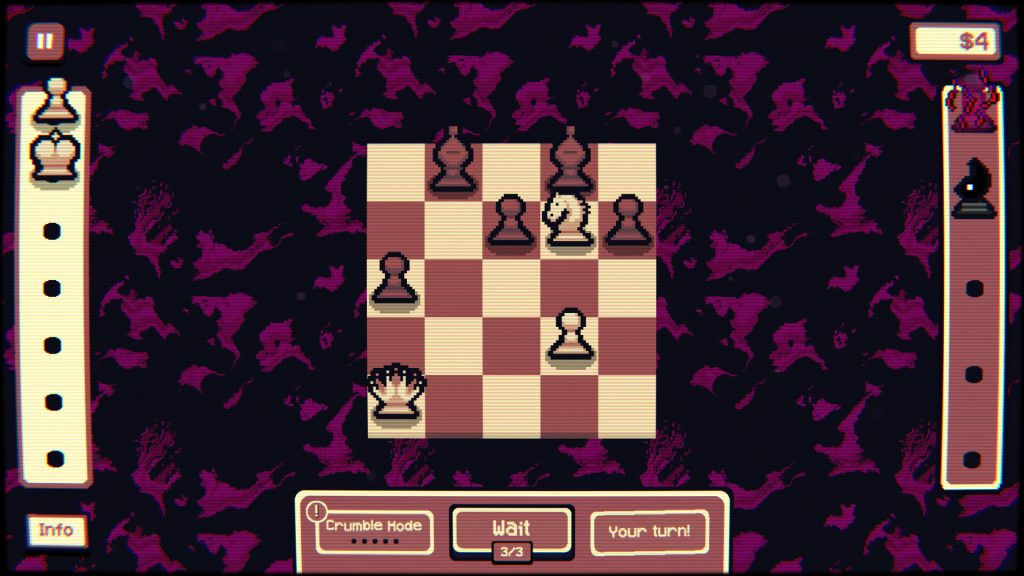
Multiplayer Is Absolute Madness
While Gambonanza works surprisingly well solo, multiplayer is where the game becomes unforgettable.
Playing with friends transforms the experience into pure chaos. Alliances form and collapse instantly. Players sabotage each other for tiny advantages. Everyone screams during high-risk moments. Victory often feels accidental.
The game brilliantly encourages social interaction without forcing it.
Some events reward cooperation. Others tempt betrayal. Certain modifiers punish greed while others reward aggressive competition. As a result, every multiplayer session develops its own unpredictable narrative.
One match might feel strategic. Another devolves into complete nonsense.
And somehow both experiences work.
The developers clearly understood that party games succeed when players create stories together. Gambonanza constantly generates moments people want to talk about afterward.
“Remember when you sold all our resources for shrimp coins?”
“That strategy should not have worked.”
“How did we survive that?”
Those kinds of moments become the game’s strongest marketing because players naturally want others to experience the insanity themselves.
The online infrastructure also performs better than expected for a game this mechanically chaotic. Desync issues are relatively rare, matchmaking is fast, and drop-in functionality makes group sessions easy to organize.
Cross-platform support helps significantly as well. Games built around social chaos benefit enormously when friend groups aren’t separated by hardware limitations.
Progression That Encourages Experimentation
One of the smartest aspects of Gambonanza is its progression system.
Many roguelikes accidentally punish experimentation because failed runs feel wasteful. Gambonanza avoids that problem by making almost every attempt rewarding in some way. Players unlock new modifiers, cosmetic options, characters, gameplay twists, and event possibilities regularly enough to maintain momentum.
The unlock system also avoids becoming bloated.
Instead of overwhelming players with endless meaningless upgrades, the game focuses on introducing tools that genuinely change how runs play out. Unlocking something new usually inspires curiosity rather than checklist completion.
“Wait… what does THIS do?”
That curiosity drives engagement beautifully.
Different characters dramatically alter gameplay styles as well. Some reward aggressive risk-taking. Others favor manipulation, efficiency, deception, or probability control. Switching characters can make the game feel completely different.
Importantly, no single strategy dominates.
Balance patches since launch have already addressed several overpowered combinations, and the developers appear committed to maintaining gameplay variety. That support matters because games built around emergent systems can easily collapse if one optimal strategy becomes too dominant.
Right now, Gambonanza still feels wonderfully unpredictable.
Audio and Presentation
The audio design deserves far more praise than it’s currently receiving.
Every spin, explosion, notification, and reward is engineered to create satisfaction. The game understands how sound influences excitement. Winning feels impactful not just visually but emotionally because the audio constantly reinforces tension and release.
The soundtrack itself is excellent.
It mixes jazz, electronic music, arcade-style energy, and chaotic experimental sounds into something strangely cohesive. Tracks evolve dynamically during gameplay, increasing tension during risky moments and calming down during recovery phases.
Some themes are intentionally ridiculous, but even the sillier tracks are memorable.
Voice acting also contributes massively to the game’s identity. Performers fully commit to the absurdity without sounding embarrassed by the material. Announcers scream nonsense with complete confidence. Characters deliver bizarre dialogue like it’s perfectly normal.
That sincerity sells the world.
If the actors sounded self-conscious, the humor would collapse. Instead, everyone treats the insanity seriously, which somehow makes it even funnier.
Visually, the game runs impressively well considering how much is happening onscreen. Particle effects, animated environments, and UI transitions remain smooth even during especially chaotic moments.
There are occasional performance dips during extreme multiplayer situations, particularly on lower-end hardware, but overall optimization is strong for a game this visually aggressive.
The Biggest Problem: Overstimulation
As entertaining as Gambonanza is, the game won’t work for everyone.
The constant energy can become exhausting.
Menus animate aggressively. Characters talk constantly. Notifications flood the screen. Events interrupt gameplay regularly. Even downtime areas still feel visually busy. Players sensitive to overstimulation may struggle with longer sessions.
The game occasionally mistakes “more” for “better.”
There are moments where reducing visual clutter slightly would improve readability without sacrificing personality. Some effects become overwhelming during high-level runs, especially in multiplayer.
Accessibility options help somewhat, allowing players to reduce flashing effects and adjust interface density, but the core experience remains intentionally chaotic.
That’s clearly part of the design philosophy, yet it may limit the audience.
Additionally, while randomness is generally handled well, there are occasional runs where item synergy becomes so powerful that balance temporarily disappears. Sometimes this is hilarious. Other times it makes progression feel trivial.
Still, because the game prioritizes entertainment over competitive balance, those issues rarely become frustrating.
A Game That Understands Modern Internet Culture
One reason Gambonanza resonates so strongly is because it understands how modern players interact with games socially.
This is an extremely clip-friendly game.
Every few minutes something absurd happens that feels worth sharing. The game naturally creates highlight moments without feeling artificially designed for streaming culture.
That’s a difficult balance.
Some games desperately chase virality and end up feeling manufactured. Gambonanza succeeds because the chaos emerges from real systems rather than scripted “streamer bait.”
The developers clearly understand meme culture, online humor, and short-form entertainment rhythms, but they use that understanding intelligently. Instead of copying trends directly, they built mechanics that generate surprising moments organically.
As a result, the game feels modern without feeling cynical.
Why Gambonanza Works
At its core, Gambonanza succeeds because it understands emotional pacing better than many larger games.
It knows when players need tension.
It knows when they need relief.
It knows when they need chaos.
And most importantly, it knows when to surprise them.
The game constantly manipulates anticipation and uncertainty in ways that keep players emotionally engaged. Every risky decision feels exciting because the systems support meaningful consequences.
Many modern games become predictable after a few hours. Gambonanza remains entertaining because players never fully regain control. Even experienced players must adapt constantly.
That unpredictability keeps the experience alive.
But beyond all the mechanics, systems, and design analysis, the simplest explanation for the game’s success is this:
It makes people laugh.
Not polite smiles.
Real laughter.
The kind caused by total unexpected disaster. The kind that happens when a perfectly planned strategy collapses because someone pressed the wrong button. The kind that turns failed runs into better stories than successful ones.
Very few games genuinely prioritize joy anymore. Gambonanza does.
Final Verdict
Gambonanza is loud, messy, ridiculous, occasionally overwhelming, and completely unforgettable.
It takes huge creative risks and somehow makes nearly all of them work. Beneath the absurd humor and visual chaos lies a deeply smart game built around psychology, probability, social interaction, and player behavior.
It may not appeal to players seeking calm, methodical experiences or heavily narrative-driven adventures. But for anyone who enjoys unpredictability, experimentation, multiplayer chaos, and games unafraid to look ridiculous in pursuit of fun, Gambonanza is one of 2026’s most refreshing surprises.
The best compliment you can give a game like this is simple:
Nobody else could have made it.
In an industry increasingly dominated by safe formulas and familiar structures, Gambonanza feels gloriously reckless. It embraces weirdness fully and trusts players to come along for the ride.
And once you do, it’s very hard to stop playing.