
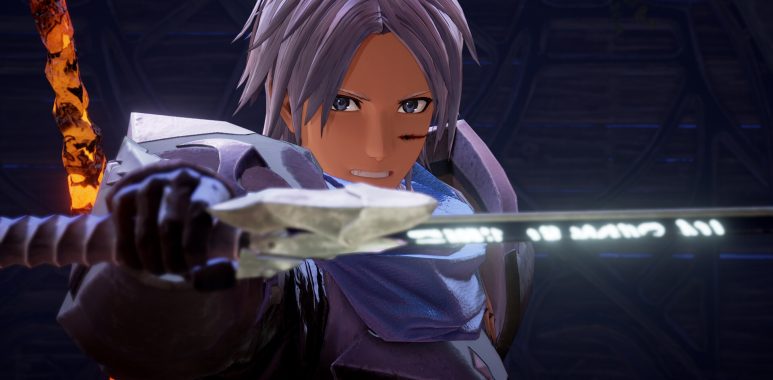
Tales of Arise – Beyond the Dawn Edition: A Blazing Return to Dahna on the Nintendo Switch 2
I still remember booting up Tales of Arise back in 2021 and being absolutely floored by that opening cinematic. The flames, the mask, Alphen’s quiet defiance—it hit different. Five years later, here we are in 2026 with the Beyond the Dawn Edition landing on Nintendo Switch 2 just a week ago, on May 22. This isn’t just a lazy port; it’s the full package: the base game, the hefty Beyond the Dawn expansion, extra costumes, items, and all optimized for handheld play. As someone who sank over 80 hours into the original on PS5, I was curious if this version could recapture that magic on the go. Spoiler: it mostly does, with some very Switch-specific caveats.
Let’s get the obvious out of the way. If you’ve never played Tales of Arise, this edition is probably the best way to experience it now. If you have, the big question is whether the portability and bundled DLC justify a replay or repurchase. I’ll try to break it down without too many heavy spoilers, but fair warning—some story discussion is inevitable.
The World and Story: Oppression, Bonds, and What Comes After
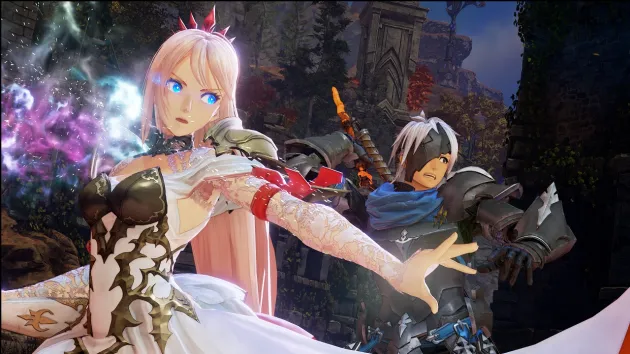
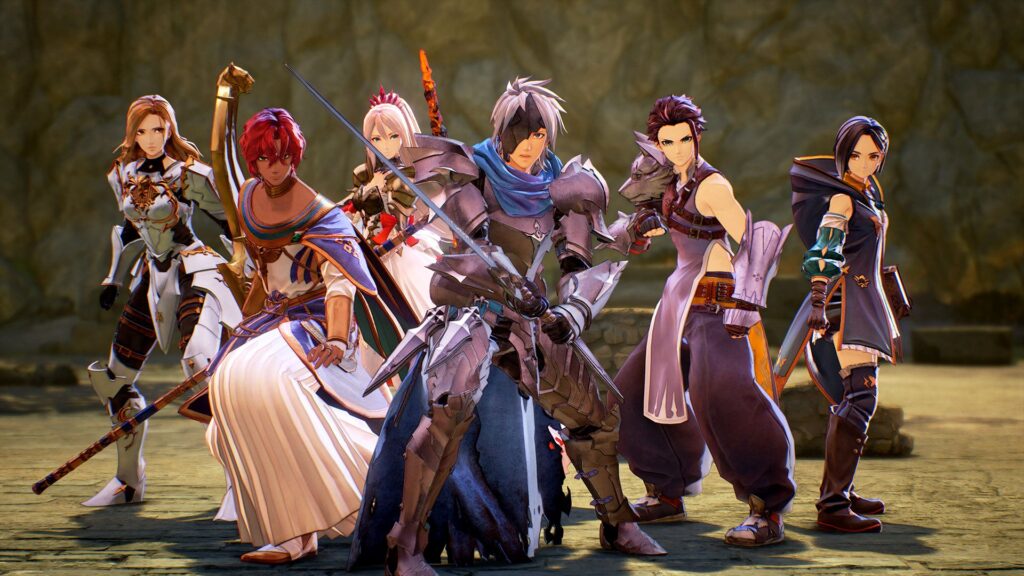
Tales of Arise throws you into a classic but sharply executed tale of rebellion. Dahna has been subjugated by the technologically superior Renans for 300 years. The Lords rule with iron fists (and astral artes), stripping the Dahnans of their will to fight through a mysterious curse. You play as Alphen, a masked slave with no memory of pain, who crosses paths with Shionne, a Renan girl whose mere touch causes explosions. Their unlikely partnership sparks a revolution that pulls in a ragtag crew: the fiery Law, bookish Rinwell, steadfast Kisara, and the wise-cracking Dohalim.
What made the original story work so well wasn’t just the high fantasy—it was how it tackled themes like racism, class divide, trauma, and forgiveness with surprising maturity for a Tales game. The party banter feels lived-in. You’ll laugh at Law and Rinwell’s sibling-like bickering one minute, then sit in heavy silence during some gut-wrenching revelations the next. The voice acting is top-tier, especially in English, and the character designs by ufotable-inspired animation sequences are breathtaking. Those animated cutscenes still pop hard.
The main campaign clocks in around 40-50 hours if you’re doing side content, and it has that classic Tales structure: visit realm, meet locals, fight Lord, repeat. But the pacing is snappier than older entries, and the world feels alive with its biomes—from the fiery Calaglia to the lush Niez. The twisty endgame revelations still hold up, even if the final act rushes a bit.
Now, Beyond the Dawn picks up a year later. The world is trying to rebuild, but old wounds between Renans and Dahnans run deep. A new character, Nazamil—a half-Renan, half-Dahnan girl—becomes central. She’s powerful, troubled, and a walking symbol of the fragile peace. The expansion adds new areas, deeper party interactions, and explores what happens when the big bads are gone but society still needs fixing.
I’ll be honest: Beyond the Dawn is good but not essential. At around 20-25 hours, it feels like a solid epilogue rather than a full sequel. The main story arc is touching, especially Nazamil’s journey, but a lot of the runtime is padded with side quests that recycle the base game’s formula. Some are heartfelt character pieces; others feel like fetch quests. Combat upgrades are minor—boost attacks hit harder in some cases—but it mostly rides on the strength of the existing systems. If you loved the cast, you’ll enjoy hanging out with them more. If you were lukewarm, this might not convert you.
Bundling it all together in the Beyond the Dawn Edition makes for a cohesive 60-80+ hour experience. Starting fresh on Switch 2, I appreciated how the expansion slots in naturally. No major seams.
Gameplay: Flashy, Fun, and Surprisingly Deep
Combat remains the star. Tales of Arise modernized the series’ real-time action with a focus on combos, Artes (special moves), and Boost Strikes—team-up finishers that look incredible. You control one character at a time but can switch freely, and the AI companions are competent enough that you rarely feel frustrated.
The learning curve is gentle but mastery rewarding. Early game you’re button-mashing; by mid-game you’re chaining Mystic Artes, managing AG (boost gauge), and exploiting weaknesses with perfect dodges. Boss fights, especially against the Lords, are spectacle-driven highlights. Some do drag with high HP pools, but the Switch 2 version doesn’t change that core feel.
Exploration mixes semi-open zones with fast travel. Fishing, cooking, owl-collecting (yes, those creepy little guys), and crafting keep the world engaging. The DLC adds more of the same plus a few new dungeons that feel fresh. One late expansion area has some neat verticality and enemy variety.
On Switch 2, controls translate perfectly. The Joy-Con setup works fine for portable play, though I prefer a Pro Controller for longer sessions. Performance is the big differentiator. In docked mode, it targets 60fps with some dips in crowded fights, looking close to last-gen consoles. Handheld is where it shines—solid 30-60fps (dynamic scaling), vibrant colors, and that ufotable polish holds up surprisingly well on the smaller screen. Textures are a touch softer, and there’s occasional pop-in, but it’s a pristine port overall. Loading times are quick thanks to the new hardware.
I played about 15 hours handheld on a train ride to work (shoutout to Mumbai locals), and it felt luxurious. Being able to grind a few quests or tackle a boss during my commute made the experience special. Battery life is decent if you cap at 30fps.
Visuals, Sound, and That Switch 2 Magic
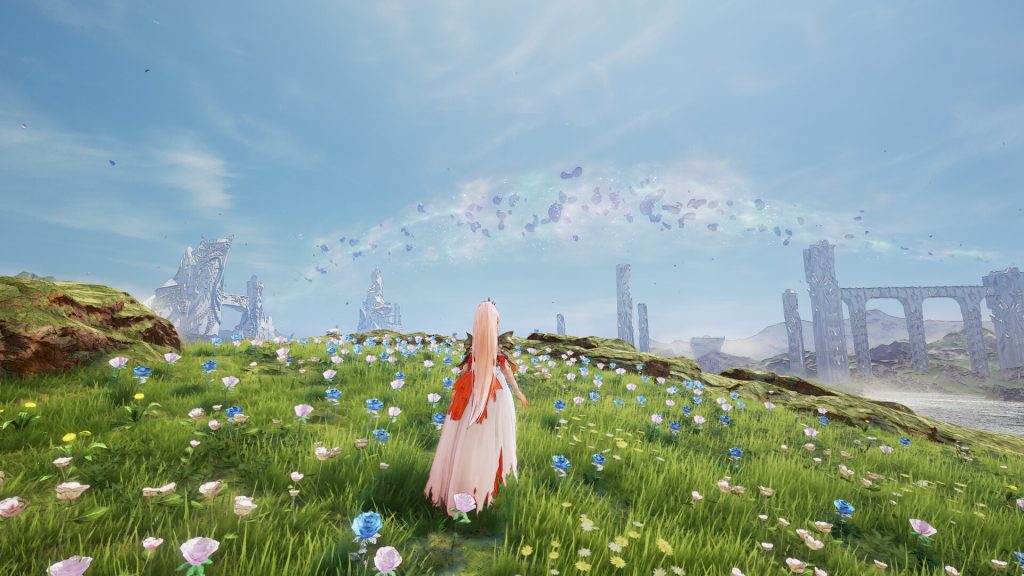
The art direction is still gorgeous. Cel-shaded characters against painterly backgrounds give it a storybook feel. Water effects, particle explosions in combat, and those dramatic weather shifts hold up. The Switch 2 version includes all the bells and whistles—no major downgrades that I noticed beyond resolution.
Music by Motoi Sakuraba is excellent—epic orchestral tracks mixed with rock and emotional ballads. The title screen theme still gives me chills. Voice work is fully dubbed, and you can switch languages easily.
The edition adds some cosmetic DLC: new outfits that are fun for glamour. Nothing game-changing, but it’s nice for a second playthrough.
Pros and Cons – Keeping It Real
The Good:
- Complete package: base game + full expansion in one.
- Combat still feels fresh and flashy five years later.
- Strong character writing and emotional beats.
- Excellent portable performance on Switch 2.
- Beautiful world and presentation.
- Tons of content for the price.
The Meh/Not So Good:
- Base game has some dated JRPG padding (backtracking, repetitive quests).
- Beyond the Dawn is more of the same rather than bold new ideas.
- Some boss fights are HP sponges.
- Performance dips in docked mode during intense scenes.
- If you already own it on other platforms, the port might not justify full price unless you crave portability.
Who Should Buy This?
If you’re new to Tales or missed Arise, jump in. This edition is a fantastic entry point and one of the stronger modern JRPGs. The story has heart, the combat delivers, and the Switch 2 version lets you take it anywhere.
For veterans, it depends. I bought it again because I love the series and wanted to replay on the go. The bundled DLC sweetened the deal. But if you’re on a budget and own the PS5/PC version, maybe wait for a sale.
Bandai Namco has done right by fans here. It’s not revolutionary, but Tales of Arise – Beyond the Dawn Edition reminds me why I fell for the series: memorable characters fighting for a better world, one flaming sword slash at a time.
After wrapping up the expansion again this week, I’m left satisfied. Dahna’s story feels complete. Now I’m itching for whatever the next mainline Tales brings. In the meantime, this edition is a warm, fiery embrace for anyone craving adventure on the Switch 2.
