
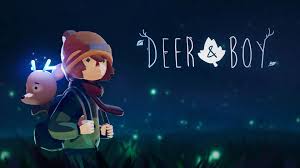
Deer & Boy: A Quiet Masterpiece That Speaks Volumes Without Saying a Word
I’ll be honest—when I first saw the trailers for Deer & Boy back in 2024 or whenever that Wholesome Games showcase was, I thought it looked pretty but maybe a little too precious. Another indie cinematic platformer with gorgeous hand-drawn art, a cute animal companion, and heavy emotional vibes. We’ve seen variations on this formula before: Limbo, Inside, Planet of Lana, even bits of Gris or Neva. How much new ground could a debut game from a small French studio really break?
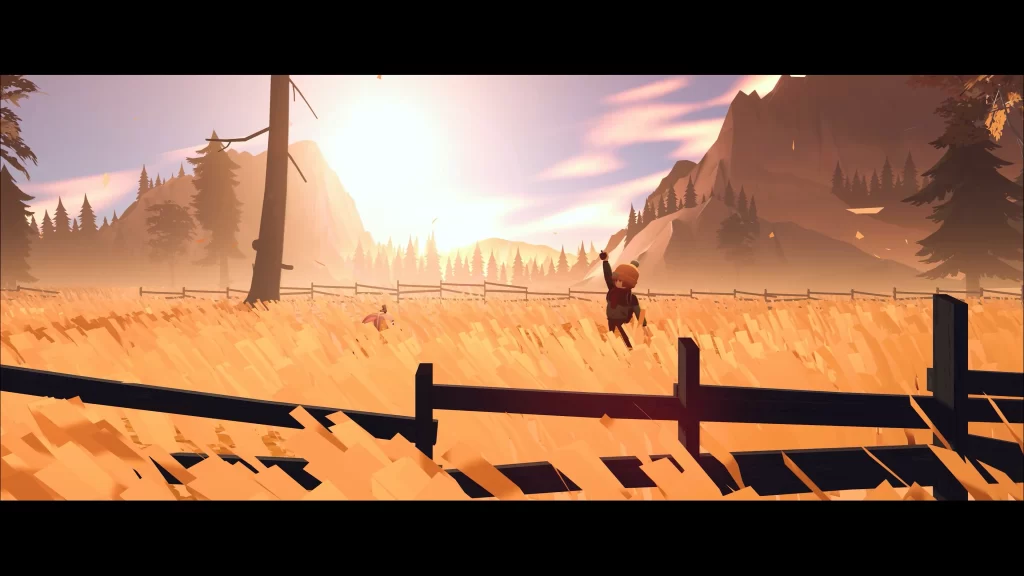
Boy, was I wrong. And I mean that in the best possible way. Three days after its June 23, 2026 release, I’m still thinking about this game. Not just the pretty pictures or the clever puzzles, but the way it made me feel. Deer & Boy isn’t trying to reinvent the wheel. Instead, it polishes that wheel until it shines like a forest stream at dusk and then invites you to walk alongside it for a few gentle, heartbreaking, ultimately hopeful hours. At around £18-20 with the launch discount, it’s one of the easiest recommendations I’ve made in a while.
The Setup: Rain, Loss, and an Unlikely Friend
The game opens on a rainy night. A young boy—unnamed, like so many silent protagonists—climbs out of his bedroom window and runs. He’s clearly fleeing something heavy. We don’t get dialogue or flashbacks or clunky exposition. Instead, we see him pause at what looks like a candlelight vigil, place his own candle down, and then the sky really opens up. He shelters at a bus stop, soaked and alone.
That’s when he meets the fawn.
From that moment on, the story belongs to the two of them. A frightened little deer and a lost boy, each carrying their own version of grief. The game never spells it out in words (there are literally none), but you feel it in every tentative interaction. The way the fawn flinches at loud noises. The way the boy instinctively reaches out. How their animations slowly sync up as trust builds. It’s masterful subtle storytelling.
What follows is a journey through increasingly dreamlike environments: misty forests, abandoned ruins overtaken by nature, glowing caves, corrupted wilds that feel straight out of a dark fairy tale. The world shifts from grounded and melancholic to fantastical and wondrous, mirroring the emotional arc of the pair. Early on you’re just two scared kids (one human, one cervine) helping each other over small obstacles. By the end, you’re partners navigating something much bigger.
Gameplay: Growing Together, Literally
Here’s the brilliant part: your companion actually grows with you. The fawn starts tiny and vulnerable. You carry it in your backpack sometimes. It can squeeze through gaps you can’t, nudge small objects, or provide a boost. As the story progresses and the deer matures into a full-grown stag, the gameplay evolves with it. New abilities unlock naturally through the narrative—jumping on its back for higher leaps, using antlers to break barriers, coordinated movements that feel genuinely collaborative rather than gimmicky.
The core loop is classic cinematic platforming: precise jumps, environmental puzzles, light platforming sections with some light timing challenges, and the occasional tense chase or hazard sequence. Controls are tight enough on controller (I played on PC with one, but it’s Steam Deck verified and feels great there). There were a couple of frustrating trial-and-error moments where the solution wasn’t immediately obvious—especially in mid-game when new mechanics are introduced without much hand-holding—but nothing game-breaking. Most puzzles reward observation and experimentation rather than pixel-perfect timing.
I loved how the deer’s growth changes the power dynamic. Early sections emphasize protection—you’re shielding this fragile creature. Later, it becomes your strongest ally, almost carrying you through tougher spots. It never feels like the game is just throwing new mechanics at the wall. Every change serves the emotional story. You feel the bond deepening through play, not just cutscenes.
Platforming is solid but not punishing. Death is frequent in some sections but the checkpoints are generous, and the beautiful death animations (the boy tumbling, the deer skittering) never outstay their welcome. Some reviewers have called the puzzles simple, and fair enough if you’re a veteran of the genre. For me, they struck a perfect balance—challenging enough to engage without breaking the contemplative mood.
Art and Sound: Pure Magic
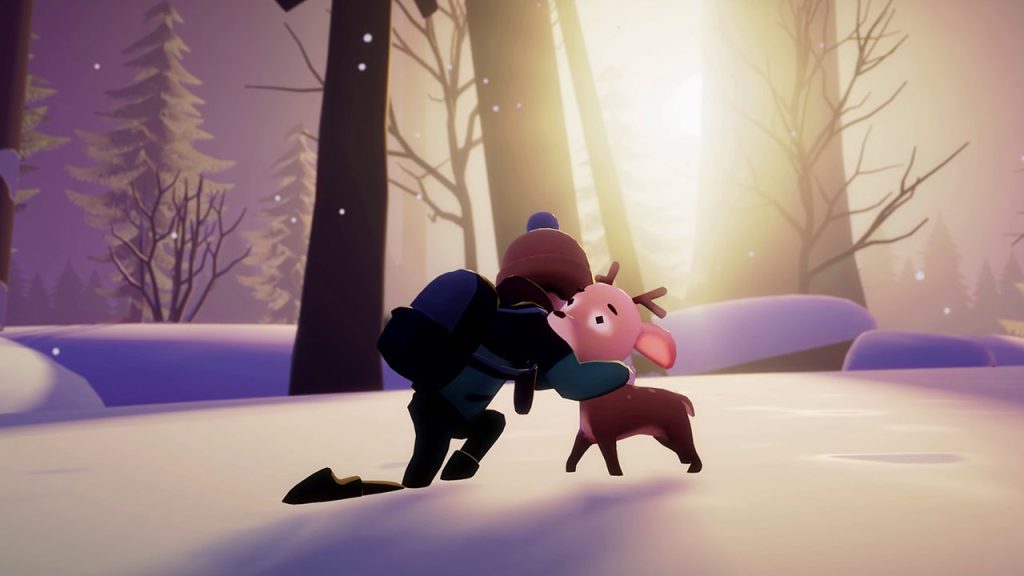
Visually, Deer & Boy is stunning. The hand-crafted 2D art has this soft, painterly quality that reminds me of Studio Ghibli mixed with the moody atmosphere of Limbo. Colors shift dramatically—cool blues and grays in the sorrowful early areas give way to vibrant greens, warm golds, and ethereal purples later on. Background details are packed with life: fireflies, rustling leaves, distant wildlife. Every screen feels like a piece of concept art you could frame.
Animation is top-tier, especially for the deer. Watching it grow from shaky-legged fawn to majestic adult is genuinely moving. The way it interacts with the boy—nuzzling, following, protecting—never feels canned. There are moments where you can just… pet the deer. In every stage of its life. Yes, I did this repeatedly. No, I’m not ashamed.
The soundtrack deserves every bit of praise it’s getting. Composed with piano, strings, and subtle nature sounds, it swells at exactly the right moments. Silence is used powerfully too—there are long stretches with almost no music, just ambient noise and your own footsteps (or hoofsteps). When the score kicks back in, it hits like a wave. One particular late-game piece had me pausing just to listen with my eyes closed. I won’t spoil it, but if you’ve ever lost someone, it might wreck you in the best way.
No voice acting, no text beyond the title screen and menus. It works brilliantly. The game trusts you to fill in the emotional blanks, and most players will.
Themes That Land
Deer & Boy is about grief, companionship, growing up, and finding strength in unlikely places. It handles heavy topics with surprising grace for a debut title. Loss, running away from pain, learning to trust again, the messy beauty of healing—it’s all there, layered under the fairy-tale surface. Some sections lean into darker, almost horror-tinged imagery (those corrupted areas got under my skin), while others are pure wonder. The tonal shifts feel earned.
The ending… man. I won’t spoil it, but I sat through the credits with actual tears. Not because it’s manipulative, but because it earned them. The final sequence ties everything together so poetically that I immediately wanted to start a second playthrough just to catch details I missed. It’s short—maybe 4-8 hours depending on how much you explore and backtrack—but it doesn’t overstay. Every minute serves the story.
Small Nitpicks
It’s not perfect. Some puzzle solutions feel a bit opaque at first. A couple of platforming sections have tight timing that frustrated me more than once (hello, instant-death spikes). The narrative can feel a touch predictable if you’ve played a lot of similar games, though the execution more than makes up for it. And while the world is beautiful, it’s fairly linear with limited exploration. No huge open areas or secrets galore, which is fine for the tone but might disappoint completionists.
Performance was rock-solid on PC, and from what I’ve seen, it runs well across Switch, PS5, and Xbox Series too. Minor technical hiccups in early patches were addressed quickly.
Why It Matters
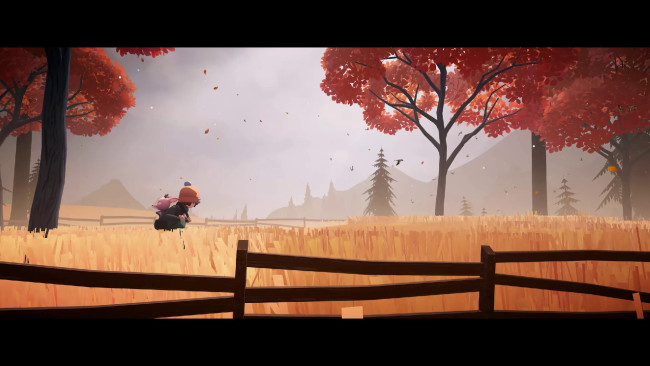
In a year full of massive blockbusters and live-service fatigue, Deer & Boy feels like a reminder of why we play games. It’s intimate. It’s handmade with obvious love. It doesn’t need microtransactions, endless hours, or voice chat. It just needs you to sit down, pick up a controller, and be present for a little while.
Lifeline Games’ debut is confident, polished, and deeply affecting. Jayson Houdet and the team poured their hearts into this, and it shows. Comparisons to Planet of Lana or Limbo are inevitable and mostly fair, but Deer & Boy stands on its own thanks to that central relationship. The boy and deer aren’t just mechanics—they’re characters you genuinely care about.
If you’re looking for something cozy yet profound, beautiful yet bittersweet, this is it. Perfect for a quiet evening or sharing with family (PEGI 12, mild fantasy violence, but emotionally heavier than the rating suggests—parental guidance recommended for younger kids).
I went in expecting a nice indie game. I came out moved, a little wiser about friendship and healing, and already recommending it to everyone I know. Deer & Boy isn’t flawless, but its heart is enormous. In a medium often obsessed with spectacle, this quiet tale about a boy and his deer might just be one of 2026’s standout experiences.
Play it slowly. Breathe with it. Let the silence speak. You won’t regret it.
