
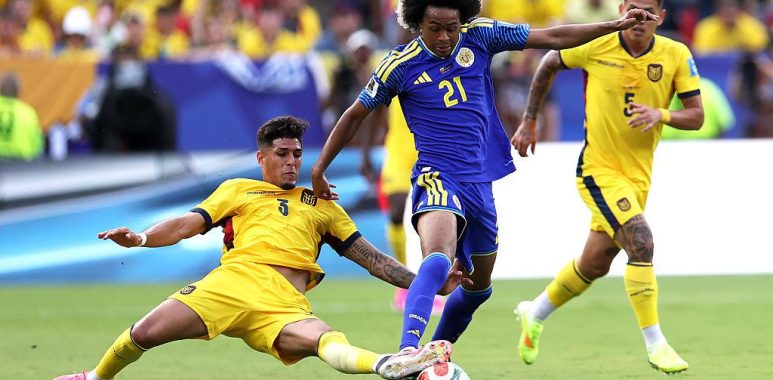
Ecuador 0-0 Curaçao: A Night of Heartbreak, Heroics, and History in Kansas City
Let me tell you, sitting in the press box at Arrowhead Stadium on that warm Sunday evening in June 2026, I’ve covered my share of World Cup shocks, but this one felt different. Ecuador came into this Group E clash as heavy favorites, needing points badly after a narrow opening loss to Ivory Coast. Curaçao? They were the ultimate underdogs—the smallest nation ever to reach the World Cup finals, still reeling from a 7-1 thrashing by Germany. What unfolded wasn’t just a football match; it was a masterclass in resilience, a goalkeeping symphony, and a stark reminder that on any given day, the beautiful game can humble even the most talented sides.
Preview: Expectations, Stakes, and the Build-Up
Heading into Sunday, June 21, the narrative was straightforward on paper. Ecuador, ranked around 23rd in the world, boasted a squad packed with European talent: Moisés Caicedo pulling strings in midfield for Chelsea, Piero Hincapié and Willian Pacho forming a rock-solid defensive core at Arsenal and elsewhere, and the evergreen Enner Valencia leading the line with his experience and guile. Under Sebastián Beccacece, La Tri had shown flashes of quality in qualifiers but struggled with clinical finishing. Their 1-0 defeat to Ivory Coast in the opener left them desperate for a win to keep qualification hopes alive.
Curaçao, by contrast, were making their tournament debut with a population of roughly 160,000—smaller than many clubs’ fan bases. Dick Advocaat, the wily 78-year-old Dutch veteran coaxed out of semi-retirement, had them playing with heart after that nightmare debut against Germany. Their style? Pragmatic to the extreme. They weren’t here to dazzle with possession; they were here to scrap, counter, and maybe nick a point or two. Eloy Room, their 37-year-old goalkeeper who’d trained alone much of the previous year, was the last line of defense in a setup built for survival.
The venue added to the occasion: Arrowhead Stadium in Kansas City, packed with 68,598 fans, many waving Ecuador’s yellow and blue, but a vocal “Blue Wave” of Curaçao supporters—estimated at up to 5% of their entire population—made their presence felt. The stakes? For Ecuador, a must-not-lose to stay in the hunt ahead of a daunting finale against Germany. For Curaçao, anything other than a heavy defeat would be a triumph.
Pre-match buzz in the mixed zone was all about Ecuador’s attacking depth. Valencia, Plata, Yeboah—plenty of firepower. Curaçao’s players spoke humbly of “fighting for every ball.” You could sense the tension; Ecuador knew they should dominate, but World Cups are littered with banana skins.
The Match: Dominance Meets an Impenetrable Wall
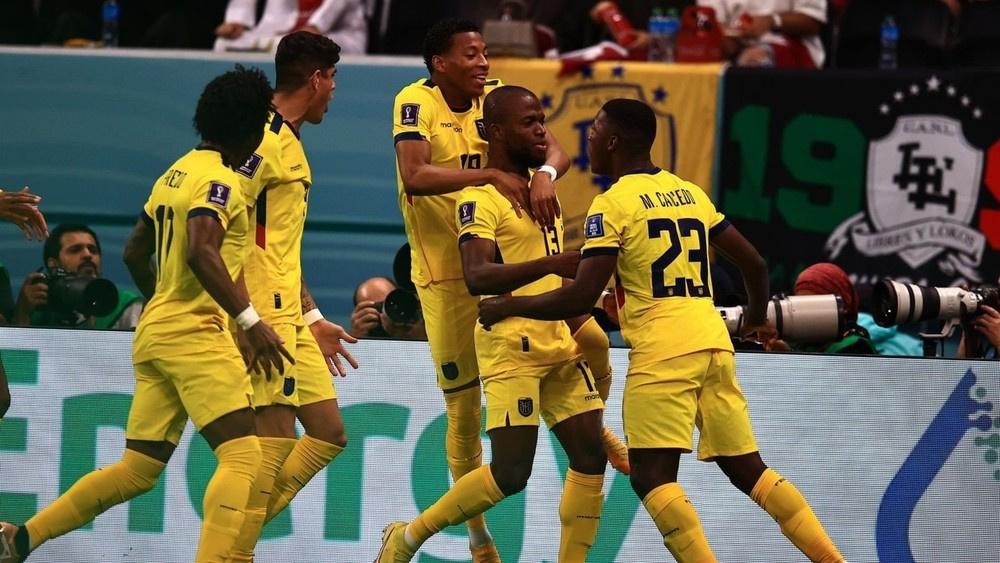
From the first whistle, Ecuador took control. They lined up in a 3-1-4-2: Galíndez in goal; Franco, Pacho, Hincapié at the back; Alcívar anchoring; Yeboah, Vite, Caicedo, Estupiñán in midfield; Plata and Valencia up top. Possession flowed their way immediately—around 75% by the end—and they pressed high, forcing Curaçao deep.
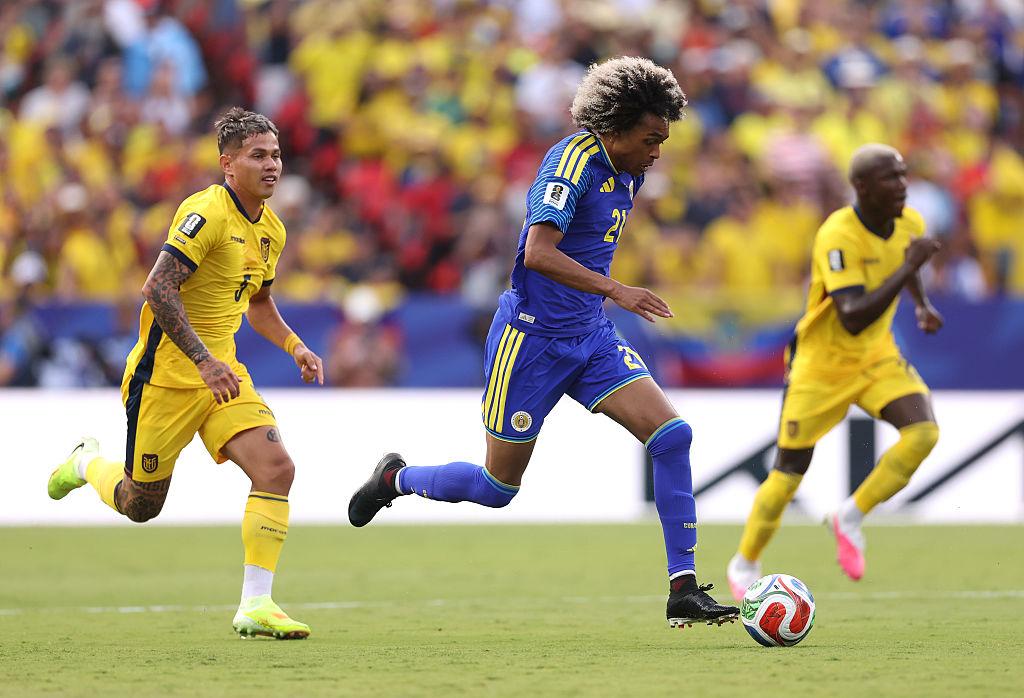
Curaçao sat in a compact 5-4-1: Room between the sticks; Brenet, Gaari, Obispo, Floranus, Fonville across the back; Chong, Comenencia, the Bacuna brothers (Leandro and Juninho) in midfield; Locadia lone striker. They absorbed pressure like sponges, funneled play wide, and looked to break with quick transitions, often involving Juninho Bacuna’s dribbling.
Early moments that set the tone: Just minutes in, Valencia burst through on goal after a slick move. It looked certain—1-0 Ecuador. But Room, guessing right, dove low to his left and parried it away. The crowd gasped. That was save number one of what would become an epic tally. Ecuador kept coming: shots from Yeboah, Plata, Caicedo raining in. By halftime, Room had already made six or seven key stops, including a stunning reaction save on a close-range effort and dealing with corners where he claimed everything. Ecuador had the xG advantage—building toward 3+—but no goals.
The second half was more of the same, but intensified. Beccacece introduced Kevin Rodríguez for Alcívar at the break, pushing for more height and directness. Crosses flew in, headers were won, but Room was everywhere—tipping shots over the bar, smothering low drives, commanding his box. Curaçao’s defenders—Gaari with a crucial last-ditch tackle on Valencia, Floranus and Obispo throwing bodies on the line—were immense. Yellow cards piled up for the visitors (Bacunas, Comenencia, Gaari, later Kastaneer), but they never lost discipline.
Ecuador’s frustration mounted. Plata hit the post or forced another save; Preciado, coming off the bench, rattled the woodwork late. Valencia missed a couple of big ones, including a header. Curaçao created little—maybe a half-chance or two on the break—but their 10 shots (mostly hopeful) kept Galíndez alert enough. Five added minutes felt like an eternity for Ecuador fans, who jeered at the final whistle.
Final stats told the story: Ecuador 27 shots, 15 on target, 3.05 xG. Curaçao 10 shots, 0.5 xG. Room: 15 saves—one short of Tim Howard’s World Cup record (in extra time). A perfect Sofascore 10. Historic.
Top Highlights: The Saves, the Near-Misses, and the Drama
- The Opening Save (2nd minute): Valencia clean through. Room’s reflexes deny him. Instant hero status. This set the tone—Ecuador would be made to work for everything.
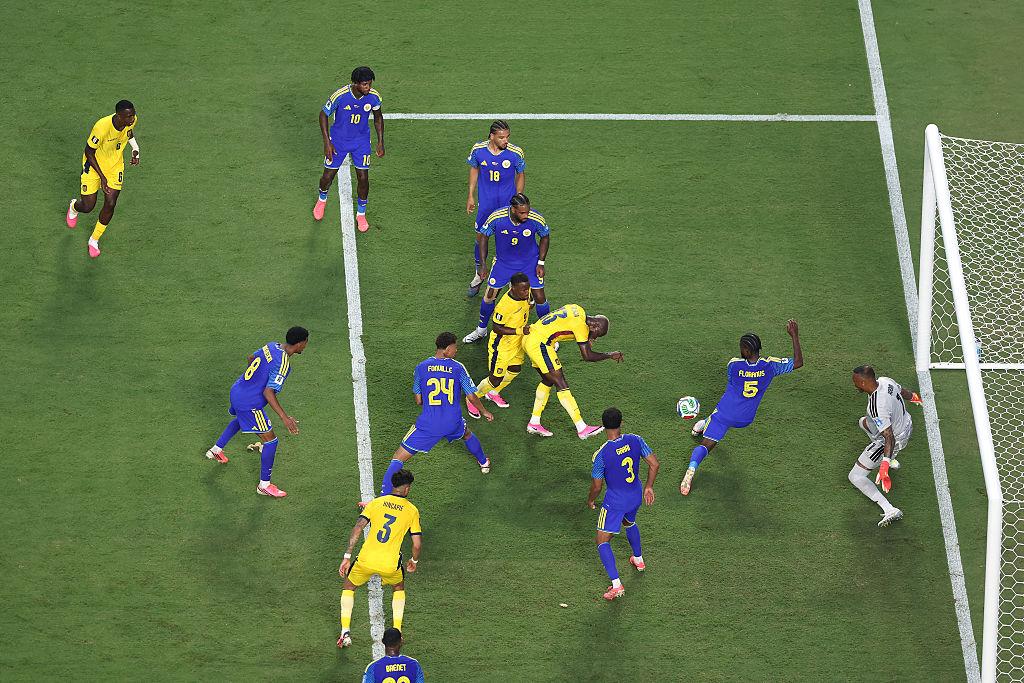
- Room’s Corner Masterclass (First Half): A flurry of Ecuador corners. Room punches, catches, tips—one sequence saw him make multiple stops in quick succession before the danger cleared. The Curaçao defense celebrated like they’d scored.
- Valencia Header Denied (Second Half): A whipped cross from Estupiñán or similar found the skipper. Room’s leap and strong hand kept it out. Followed by another corner scramble where he was unbeatable again.
- Gaari’s Heroic Block: Late on, Valencia poised to equalize or win it. The defender slides in perfectly. Moments like these defined Curaçao’s backs-to-the-wall mentality.
- Preciado’s Woodwork: One of the last actions—angled drive or cross-shot smacks the frame. Groans from the Ecuador faithful echoed around the stadium.
- Curaçao’s Defensive Blocks: Countless tackles, clearances (over 20-25 combined), and the compact shape that forced Ecuador into low-percentage shots from distance or tight angles. The Bacunas and Chong covered every blade of grass.
Off the pitch, the Curaçao bench and fans erupted at full time. Reports even mentioned royalty from the Netherlands joining the celebrations. Pure joy for the underdogs.
Tactical Analysis: Why It Worked (and Why Ecuador Failed)
Curaçao’s 5-4-1 was textbook underdog football. Advocaat drilled discipline: stay compact, don’t chase shadows, collapse on crosses, win second balls. Wing-backs Brenet and Fonville (later subs) provided width without overcommitting. The midfield trio (Bacunas + Comenencia) screened effectively. Room? The difference-maker—positioning, shot-stopping, distribution under pressure. They conceded territory but not quality central chances.
Ecuador’s 3-1-4-2 gave width and midfield control via Caicedo and Vite, but final-third execution let them down. Too many shots from outside the box or rushed decisions. Valencia looked sharp but wasteful; the service wasn’t always precise. Beccacece’s subs (Rodríguez, Preciado, etc.) added energy but couldn’t break the spell. Set-pieces were a weapon, yet Room owned the air and the line. Ecuador dominated metrics but lacked that clinical edge— a recurring theme in their tournament so far.
Post-match, Beccacece was philosophical: “We had 27 shots… football can be cruel.” Advocaat beamed with pride. Room, ever humble yet cheeky, joked about needing a statue back home.
Summary and Implications: A Point That Feels Like a Win (and a Loss)
Full time: Ecuador 0, Curaçao 0. A scoreline that belies the drama. For Curaçao, it’s historic—their first World Cup point ever. It keeps faint qualification hopes alive heading into Ivory Coast. For a nation this small, this is legendary. Room’s name will echo in Caribbean football lore alongside great underdog tales.
For Ecuador, it’s a bitter pill. One point from two games means they must beat Germany in the final match to have a realistic shot at progressing (likely as one of the best third-placed teams). The jeers at the end spoke volumes—fans expect more from this talented generation. Questions will linger about finishing, squad depth under pressure, and whether Beccacece can tweak things in time.
This match encapsulated the World Cup’s magic: talent vs. tenacity, favorites vs. dreamers. Ecuador threw everything at it—wave after wave—but ran into a goalkeeper having the game of his life and a team that refused to yield. Curaçao danced in the dressing room; Ecuador trudged off knowing the margin for error is now zero.
As I filed my copy that night, watching highlights loop on the stadium screens, one thought stuck: nights like this are why we love the game. Not the blowouts, but the miracles. Room’s 15 saves weren’t just stops—they were statements. Ecuador has four days to regroup. Germany awaits, and the group is wide open. Whatever happens next, this 0-0 will be remembered long after the final in 2026.
