
Birushana: Winds of Fate – A Fan Disc That Delivers Heart, Heat, and a Touch of Heian Nostalgia
Three days ago, on May 26, 2026, Idea Factory International dropped Birushana: Winds of Fate on the Nintendo Switch, and the otome community has been buzzing ever since. As a longtime fan of the series—having sunk dozens of hours into Birushana: Rising Flower of Genpei back when it first hit the West—I went into this expecting exactly what a fan disc usually promises: some sweet after-stories, maybe a few extra CGs, and enough nostalgia to justify the $49.99 price tag. What I got instead was something richer, spicier, and more emotionally layered than I anticipated. At around 2500 words, this review is my full, unfiltered take after devouring every route.
Setting the Stage: Back to the Genpei Era (and Beyond)
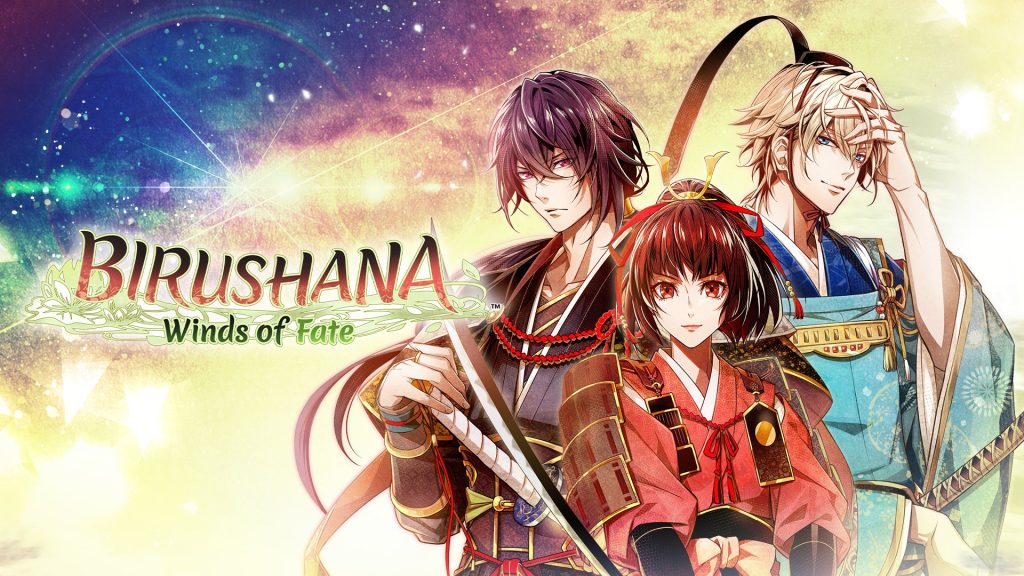
For anyone jumping in fresh, Winds of Fate is a direct follow-up to Rising Flower of Genpei. The story is rooted in the late Heian period, specifically the aftermath of the Heiji Rebellion and the looming Genpei War. Our protagonist, Shanao (better known historically as Minamoto no Yoshitsune), is no dainty noble lady. Raised as a boy to lead the Genji clan against the powerful Heike, she’s a fierce warrior hiding her true gender while navigating politics, battles, and forbidden romances.
The fan disc splits neatly into two sections:
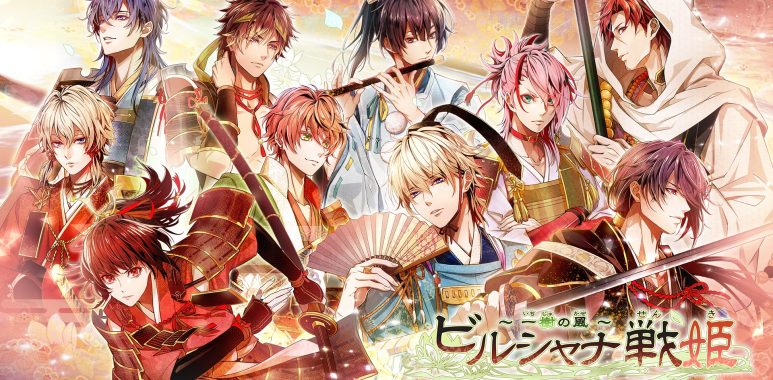
- “What Comes After” (Epilogues): Five routes continuing the happy endings from the original game with Benkei, Noritsune, Shungen, Tomomori, and Yoritomo.
- “Turning a New Leaf” (Main Routes): Four brand-new stories featuring supporting characters from the first game—Shigehira, Tadanobu, Takatsuna, and Tsugunobu—set during the war timeline.
This structure works beautifully. If you loved the original cast, the epilogues feel like catching up with old friends years later. The new routes, meanwhile, give you fresh “what if” scenarios that can shift major events. It’s not just fanservice; it expands the world in meaningful ways.
The art style remains consistent with the first game—gorgeous, detailed character sprites with that signature Red Entertainment flair. Backgrounds evoke misty mountains, bustling Heian-era courts, and blood-soaked battlefields. The music, a mix of traditional Japanese instruments and sweeping orchestral tracks, still hits hard during emotional peaks. Japanese voice acting is fully present and excellent, as expected from Idea Factory titles.
Shanao: Still One of the Best Heroines in Otome
Let me get this out of the way: Shanao carries this entire experience on her strong, sword-wielding shoulders. She’s competent, duty-bound, occasionally awkward in her femininity, and deeply caring. Unlike many otome protagonists who exist to be protected, Shanao holds her own in combat and strategy. In the epilogues, we see her adjusting to peacetime life—learning to cook, navigating domestic tensions, or simply finding joy in quiet moments—without losing her edge.
In the new routes, her interactions feel even more charged because these men see different sides of her. Some respect her as a warrior rival; others are drawn to the secret she hides. Her growth across the nine routes never feels repetitive. She’s funny, loyal, and human—moments where she blushes or fumbles with feelings land perfectly because they contrast her battlefield persona.
The Epilogues: Sweet, Short, and Satisfying
These are kinetic novels—no choices, just straight story. Each is roughly three chapters long, focusing on post-war life. They’re shorter than full routes but pack emotional weight.
Benkei’s route feels like a warm blanket. The giant monk is still protective and boisterous, but we see a softer domestic side as he and Shanao build a life together. Their banter is gold, and there’s a lovely scene involving training their future children (or at least hypothetical ones).
Noritsune delivers poetic melancholy mixed with tenderness. As a former Heike, his integration into Genji life brings tension, but the route explores forgiveness and new beginnings beautifully. The CG of them in a flower field is pure romance.
Shungen, Shanao’s childhood friend, offers the most lighthearted epilogue. Their relationship has that comfortable, long-built foundation, with plenty of teasing and shared memories. It’s comforting rather than explosive.
Tomomori and Yoritomo arguably get the strongest epilogues. Tomomori’s intense, possessive love translates wonderfully into married life, with some genuinely steamy moments. Yoritomo’s route dives deeper into political maneuvering and the burdens of leadership, showing how their bond strengthens under pressure.
These epilogues shine in giving the romance more focus than the plot-heavy original game. We get more intimate conversations, jealousy flares, and those coveted “spicy” scenes that were somewhat restrained before. They’re not full-length, so don’t expect 20+ hour commitments, but they deliver closure and fanservice in equal measure.
The New Main Routes: Fresh Blood and Surprising Depth
This is where Winds of Fate really earns its keep. These four routes feel like proper main stories, with branching choices (though lighter than the original) and more CGs.
Shigehira Taira (Tomomori’s younger brother) is a standout. His curiosity about Shanao leads him to Hiraizumi, creating delicious tension within the Heike clan. The route explores brotherhood, loyalty, and forbidden attraction. Shigehira’s personality—earnest yet calculating—pairs perfectly with Shanao. This might be the best-written new route, blending drama and romance seamlessly.
The Sato brothers, Tadanobu and Tsugunobu, bring loyalty and quiet strength. Tadanobu’s route has solid emotional payoff and feels very in-character. Tsugunobu’s is touching but has one moment where Shanao feels slightly off—nothing game-breaking, but noticeable if you’re deep into the lore.
Takatsuna is the most divisive. His story introduces some unique perspectives on the war, but his personality can feel a bit out of place at times. Still, it adds variety and gives players a different flavor of romance.
What surprised me most is how these new routes can alter events from the original game. Seeing familiar battles from new angles or with different alliances kept me engaged. The writing maintains the historical flavor while prioritizing character chemistry.
Romance, Spice, and Emotional Payoff
One of the biggest upgrades is the romance focus. The original game balanced war epic with love stories; here, the scales tip toward intimacy. Expect more skinship, deeper confessions, and yes—spicier CGs. Nothing explicit (it’s still rated Teen), but the implications and artistic framing are noticeably bolder. Tomomori fans especially will eat this up.
Humor balances the heavier themes. Shanao’s internal monologues, the guys’ rivalries, and slice-of-life moments prevent the story from getting too bleak. Voice acting elevates everything—laughs, tender whispers, and battle cries all land.
Technical Side and Presentation
On Switch, it runs smoothly in handheld or docked mode. Load times are quick, and the UI is clean and intuitive. Gallery, music room, and CG viewer are all present for completionists. The Plus Edition adds physical goodies like trading cards, which are nice for collectors.
Minor complaints: Some epilogues feel a tad short, and if you didn’t play the original, you’ll miss context (this is definitely not a standalone). Location descriptions can be vague without maps, making battles sometimes feel abstract.
Who Should Play It?
If you loved Rising Flower of Genpei, this is a must-buy. It rewards investment in the cast with heartfelt continuations and exciting new pairings. Newcomers should start with the first game—Winds of Fate assumes familiarity.
At $49.99, it’s priced like a full game, and while content volume is solid for a fan disc (probably 25-40 hours total depending on reading speed), some might balk. For dedicated otome fans, it’s worth every penny.
Final Thoughts
Birushana: Winds of Fate isn’t trying to reinvent the wheel—it’s polishing an already excellent one. It gives fans what they crave: more time with beloved characters, new romances that feel earned, and a chance to linger in a beautifully realized historical world. Shanao remains a standout heroine, the art and music captivate, and the balance of drama, humor, and romance feels just right.
In a genre often criticized for short epilogues or rushed sequels, this fan disc stands out as thoughtful and generous. It left me smiling, a little misty-eyed in places, and eager for whatever Idea Factory does next in this universe.
If you’re on the fence, especially if you romanced Tomomori or Noritsune originally, just go for it. Three days post-release, and I’m already tempted to replay my favorites. Winds of Fate isn’t perfect, but it’s a warm, windswept embrace for fans—and sometimes that’s exactly what we need.
