
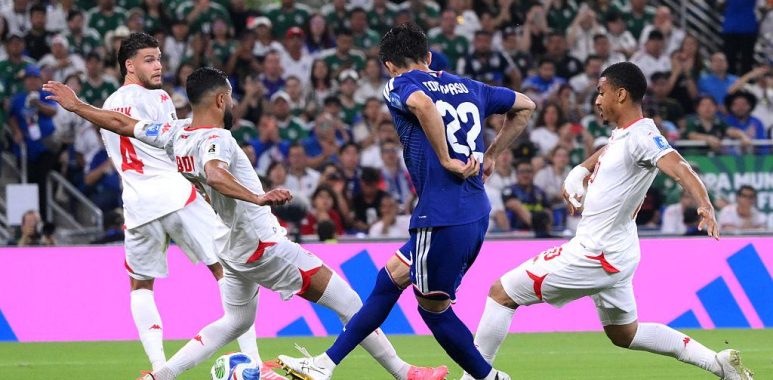
Japan’s Samurai Spirit Crushes Tunisia’s Dreams in Historic 4-0 Rout
MONTERREY, Mexico – Sunday, June 21, 2026. The sun beat down on Estadio BBVA in Guadalupe as the 1,000th match in FIFA World Cup history kicked off. What a milestone. You’d think both teams would come out swinging with something special to mark the occasion. Japan did. Tunisia? They looked like they’d rather be anywhere else.
I’ve covered my share of World Cups, but this one felt different from the jump. Japan, riding high after a gutsy 2-2 draw with the Netherlands, dismantled a fragile Tunisia side 4-0 with clinical precision and relentless energy. Ayase Ueda stole the show with a brace and an assist, turning what was supposed to be a tense Group F clash into a one-sided masterclass. For Tunisia, under emergency coach Hervé Renard, it was another nightmare. Eliminated with a game to spare after a 5-1 opening thrashing by Sweden. The Eagles of Carthage are heading home early, tails between their legs.
Let me take you through it all – the buildup, the tactical chess match, those electric moments on the pitch, and what it all means moving forward. Buckle up; this one’s a ride.
The Preview: Hope vs. Harsh Reality
Heading into this fixture, the vibes were mixed. Tunisia had just been humiliated 5-1 by Sweden in their opener. That result screamed crisis. Sabri Lamouchi was out, and the Tunisian federation pulled the ultimate panic move: bringing in veteran French coach Hervé Renard on a short-term deal. Renard, the man who’s won Africa Cup of Nations titles with Zambia and Ivory Coast, was meant to be the fireman. Three days to fix a broken team? Tall order, even for a guy with his pedigree.
The Eagles had talent on paper – players like Hannibal Mejbri, Ellyes Skhiri, and Montassar Talbi – but cohesion was non-existent. Defense leaky, attack blunt. They needed a miracle or at least a statement performance to keep knockout hopes alive. A win or even a gritty draw against Japan would have kept things breathing. Anything less, and they were basically done.
Japan, on the other hand, arrived full of confidence. Hajime Moriyasu’s side had shown real fight in a 2-2 thriller against the Dutch. Keito Nakamura, Daichi Kamada, Junya Ito, and Ueda – the attacking quartet looked dangerous. The Samurai Blue play with this modern, high-pressing style that’s evolved beautifully over the years. Organized, technically sharp, and lethal on the counter. They knew a victory here would put them in pole position for the round of 16.
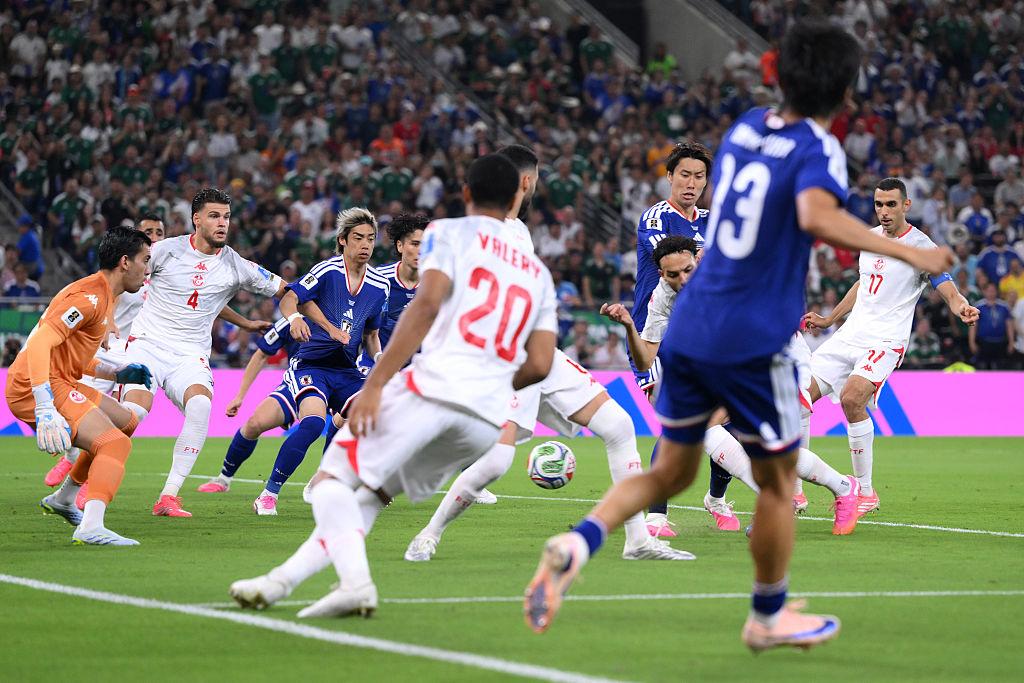
The setting added extra spice. Monterrey’s Estadio BBVA, packed with 51,243 fans, many waving Japanese flags and a decent Tunisian contingent trying to lift their boys. Neutral Mexican supporters were there for the party. This was history in the making – the millennium match. Pressure on both, but Japan seemed built for it.
Pre-match chatter in the press box was all about whether Renard could spark an immediate reaction. Tunisia lined up in a 3-4-2-1: Aymen Dahmen in goal, a back three of Dylan Bronn, Talbi, and Omar Rekik. Wing-backs Yan Valery and Ali Abdi. Midfield with Skhiri and Anis Ben Slimane, attacking mids Mejbri and Elias Saad, and Sebastian Tounekti up top. Solid on paper, but would it hold?
Japan went 3-4-2-1 too: Zion Suzuki between the sticks, Takehiro Tomiyasu, Ko Itakura, Hiroki Ito at the back. Ritsu Doan, Kaishu Sano, Ao Tanaka, Keito Nakamura in midfield. Ito and Kamada supporting lone striker Ueda. Balanced and flexible.
I remember thinking: Japan has the momentum and the system. Tunisia has the desperation. Desperation doesn’t always win football matches.
Kickoff and Early Dominance: Japan Strikes First
From the first whistle, Japan was on it. Tunisia tried to press high, but the Samurai Blue sliced through like a hot knife. Just four minutes in, the breakthrough. Keito Nakamura surged down the left, delivered a dangerous low cross. Chaos in the box. Daichi Kamada was there, poking it home past Dahmen. 1-0 Japan. The stadium erupted – Japanese fans in full voice.
You could see Tunisia’s heads drop already. Renard on the sidelines, arms crossed, barking instructions, but the body language from his players screamed fragility. They had barely touched the ball in attacking areas.
Japan didn’t sit back. They pressed, they moved, they passed with purpose. Ueda was a constant nuisance, dropping deep, linking play. In the 31st minute, he got his first. Receiving from deep, he advanced, Tunisia defenders backed off – mistake. Ueda unleashed a fierce low drive from the edge of the area, curling it beautifully into the far corner. 2-0. Game over? Pretty much felt like it.
Tunisia’s best moment? A long-range effort from Mejbri that flew wide. That’s it. Two shots all game for them, according to the stats. Pathetic output for a team needing a result. Japan was clinical, clinical, clinical.
Half-Time and Tactical Breakdown
At the break, 2-0. Possession favored Japan around 55-60%. Shots: Japan dominating. xG told the story – Japan over 2.0, Tunisia close to zero. Tunisia made changes at half-time: Mohamed Amine Ben Hmida for Bronn, Ismael Gharbi for Saad. Fresh legs, but same problems.
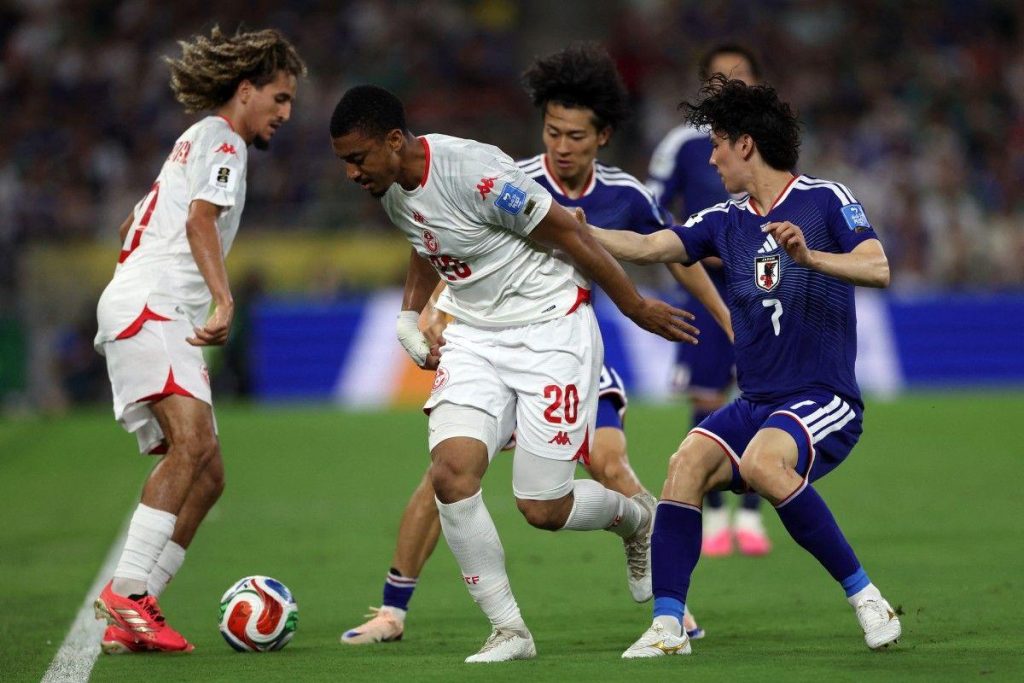
Analysis time. Japan’s midfield trio of Tanaka, Sano, and Nakamura controlled the tempo. They won second balls, transitioned quickly. Ueda’s movement stretched Tunisia’s backline, creating pockets for the wingers and Kamada. Defensively, Japan was compact. Tomiyasu and co. snuffed out any half-chances.
Tunisia? Disjointed. The 3-4-2-1 looked more like 3-4-3 parked in their own half. No width, no creativity. Mejbri tried, but isolated. Skhiri couldn’t dictate from deep. Renard’s short prep time showed – no time to drill patterns or build trust. They were chasing shadows.
This wasn’t just about individuals; it was systemic. Japan embodies the new wave of Asian football – disciplined, technically excellent, tactically flexible. Tunisia, for all their passion, looked outdated and demoralized in this tournament.
Second Half: The rout Continues, Highlights Galore
Japan came out hungry for more. They kept the intensity. Tunisia huffed and puffed but offered nothing.
The killer third goal arrived in the 69th minute. Beautiful team move. Ueda received a pass, flicked it cleverly over the defense with a weighted through ball. Junya Ito raced clear, held off his man, and slotted low past Dahmen. 3-0. Ueda’s vision was chef’s kiss. The assist king.
By now, the Japanese bench was celebrating wildly. Fans doing the wave. Tunisia substitutes warmed up looking defeated. Renard made more changes – Firas Chaouat on, later Achouri and Khedira – but it was damage control.
Then, the cherry on top. 83rd minute. Kaishu Sano whipped in a cross from deep on the right. Ueda rose like a salmon at the far post, looping a perfect header into the top corner. 4-0. Pure class. The Feyenoord man had a game for the ages: two goals, one assist, constant threat. Man of the Match, no debate.
Japan became the first Asian team to score four in a World Cup match. Historic on a historic day.
Top Highlights That’ll Live Long in the Memory:
- Kamada’s Opener (4′) – Lightning start. Set the tone. Nakamura’s cross was inch-perfect; Kamada’s poacher instinct did the rest.
- Ueda’s First Strike (31′) – That drive. Power, placement, composure under pressure. Tunisia’s defense parted like the Red Sea.
- The Flick Assist for Ito (69′) – Pure football intelligence from Ueda. Not many strikers have that vision.
- Ueda’s Header (83′) – Athleticism, timing, technique. Capped a dominant display.
- Japan’s Pressing Masterclass – Multiple sequences where they won the ball high and transitioned instantly. Tunisia couldn’t breathe.
- The Crowd and Atmosphere – That 51k roar when the fourth went in. Japanese supporters cleaning up afterward – class act as always.
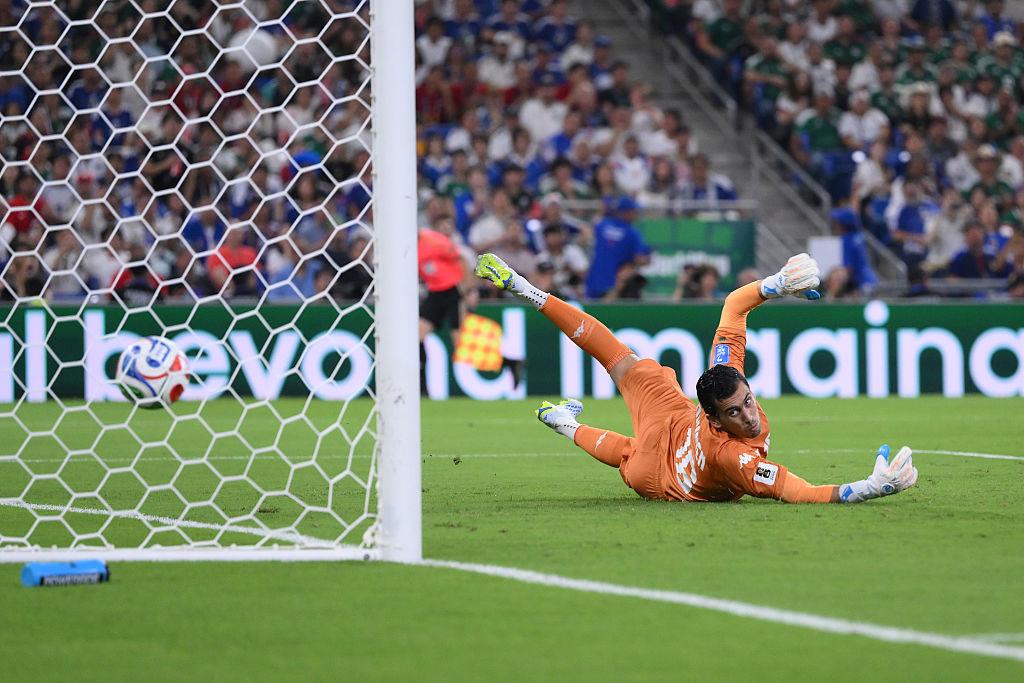
Tunisia had zero shots on target. Zero. In a must-win (or at least not-lose) game. Brutal.
Post-Match Reactions and Broader Implications
Moriyasu was beaming in interviews: “A memorable victory. The players showed great spirit.” Ueda dedicated it to the fans. Japan now sits level on 4 points with the Netherlands at the top of Group F. A final game against Sweden awaits – they’re in the driver’s seat for knockout qualification.
For Tunisia, it’s over. Bottom of the group, zero points, goal difference in the toilet. They face the Netherlands in the last match – a dead rubber for them. Renard’s honeymoon is over before it began. Questions will rage back home about federation decisions, player motivation, and the future of the national team. This campaign has been a disaster.
Japan’s rise continues. They’ve got depth, youth, experience. Could they go deep? Quarterfinals? Why not? Asian football is no longer the underdog story; it’s a genuine contender.
Summary: A Day Japan Will Cherish, Tunisia Will Want to Forget
In the end, Japan 4, Tunisia 0. A scoreline that tells the full story. The 1,000th World Cup match will be remembered for Samurai Blue brilliance and Tunisian woes. Ueda’s heroics, the early goal that set the tone, and Japan’s relentless execution.
Football can be cruel. Tunisia walked in with faint hopes under a new coach; they left humiliated and eliminated. Japan walked taller, history made, future bright.
As I filed this from the press box, watching Japanese fans sing and celebrate while Tunisian supporters trudged out quietly, one thought hit: This is why we love the World Cup. Glory and heartbreak side by side. Japan is writing their chapter. Tunisia must rebuild from the ashes.
What a night in Monterrey. On to the next chapter.
