
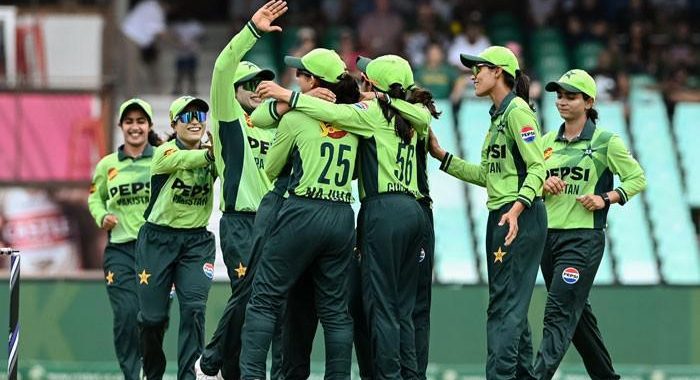
Pakistan Women Seal Consolation Victory with Dominant Display in Durban
On a bright Sunday afternoon at Kingsmead in Durban, Pakistan Women produced a performance of real character and control to claim a comprehensive 119-run win over South Africa Women in the third and final One-Day International of their tour. The visitors, already 2-0 down in the series, posted a formidable 306 for 8 and then dismantled the home side for 187 in just 36.2 overs. It was a result that denied South Africa a clean sweep and gave Pakistan a hard-earned consolation victory to take home from their trip to South Africa.
The match formed part of the ICC Women’s Championship cycle, and while the series result had already been decided in favour of the hosts, both teams approached the contest with pride and purpose. South Africa captain Laura Wolvaardt won the toss and chose to field first, a decision that looked reasonable on a surface expected to offer something early but flatten out later. Pakistan, led by Fatima Sana, accepted the challenge of batting first and set about building a total that would put pressure on the home chase.
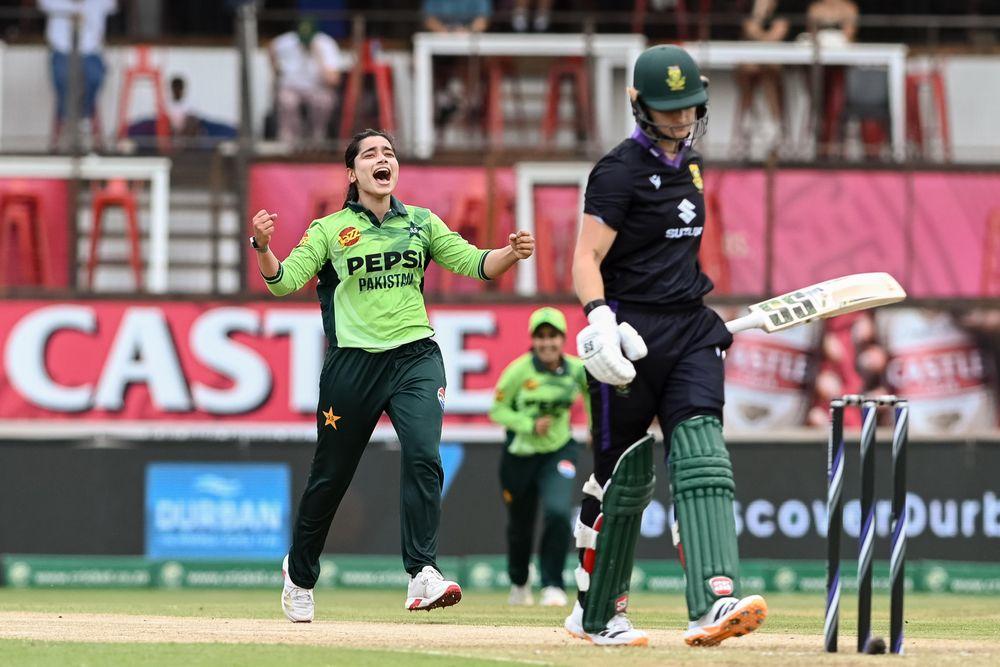
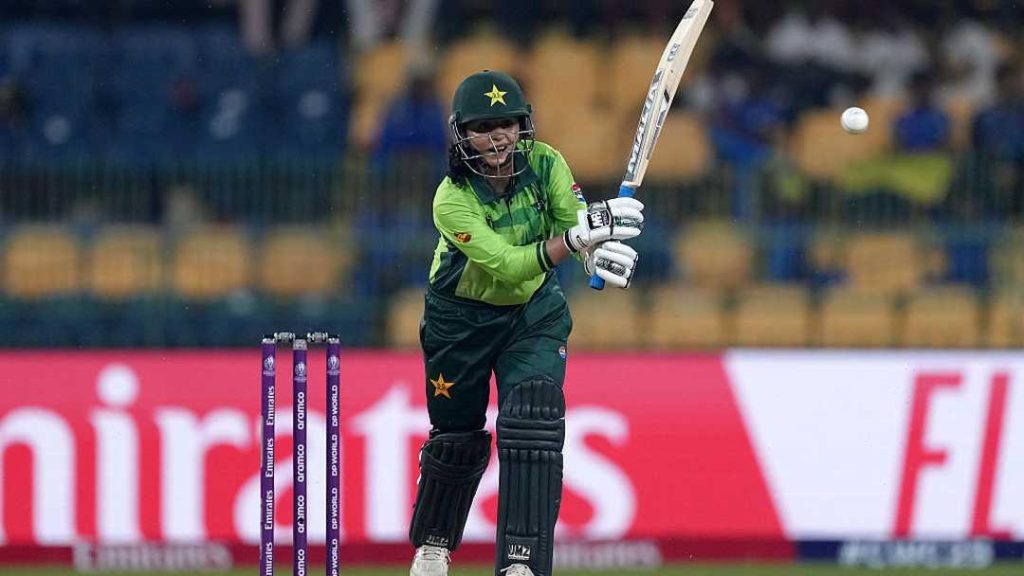
The innings began with a slight stutter. Opener Gull Feroza managed 13 from 10 balls before she was caught by Nadine de Klerk off the bowling of Annerie Dercksen. The early wicket left Pakistan at 31 for 1, and there was a sense that the hosts might seize the initiative. Instead, Sadaf Shamas and Sidra Amin responded with composure and growing aggression. Their second-wicket partnership of 130 runs became the foundation of the innings. Shamas was particularly fluent, driving and cutting with authority while rotating the strike intelligently. She struck 16 fours and one six in an 82-ball stay that yielded 97 runs. The innings was full of intent, and she looked set for a maiden international century until Sune Luus intervened. Luus caught and bowled Shamas on the final ball of the 25th over, ending a knock that had lifted Pakistan to 161 for 2.
Amin fell soon after for 41, bowled by Luus, and Pakistan slipped to 164 for 3. The middle order then had to rebuild. Ayesha Zafar contributed a steady 24 before Nonkululeko Mlaba bowled her. Najiha Alvi, the wicketkeeper, added a useful 36, while Umm-e-Hani struggled for fluency and managed only 4. At 216 for 5 after 39 overs, the total looked solid but not yet imposing. That was when Fatima Sana took charge.
The Pakistan captain arrived at the crease with clear intent. She attacked from the outset, launching five sixes and three fours in a blistering 60 from just 41 balls. Her late surge, combined with useful contributions lower down, pushed Pakistan past the 300 mark. Sana was eventually dismissed for 60, caught by Luus off Ayanda Hlubi, but by then the damage was done. Pakistan closed on 306 for 8, a total that reflected both the quality of their top-order batting and the finishing power of their captain. Luus was the pick of the South African bowlers with three wickets for 42 runs from nine overs. Mlaba claimed two for 56, while the rest of the attack shared the remaining wickets.
Chasing 307 was always going to be a demanding task, especially against a Pakistan bowling unit that had found rhythm and confidence. South Africa’s reply began disastrously. Tasmia Rubab, making her ODI debut, struck early by removing Tazmin Brits for 4. Fatima Sana then dismissed Wolvaardt for just 1, and in the same over trapped Sune Luus lbw for a duck. At 7 for 3 after only two overs, the chase was in deep trouble. Faye Tunnicliffe and Annerie Dercksen attempted a recovery, putting together a partnership of 85 that briefly raised hopes. Tunnicliffe scored a brisk 47 from 51 balls with seven boundaries before Nashra Sandhu had her caught and bowled. Dercksen continued to fight, reaching 54 from 67 deliveries with three fours and two sixes, but the required rate kept climbing and the wickets kept falling.
Sinalo Jafta provided some resistance with 33, including a six, yet Sadia Iqbal’s left-arm spin proved difficult to negotiate. Iqbal finished with three wickets for 41 runs from her full allocation of ten overs. Umm-e-Hani claimed two important wickets, including Dercksen and Chloe Tryon, while Sandhu returned to polish off the tail. The last wicket fell when Sandhu had Tumi Sekhukhune caught behind by Alvi, leaving South Africa all out for 187. Ayanda Hlubi remained unbeaten on 1.
The margin of victory underlined the difference between the two sides on the day. Pakistan’s batting depth and Sana’s explosive finishing had set a total that demanded near-perfection from the hosts. South Africa, who had dominated the first two matches of the series, never recovered from the early collapse and were unable to build the kind of sustained partnerships needed for a successful chase. Dercksen’s half-century was a fighting effort, and Tunnicliffe showed positive intent, but the rest of the batting order struggled against disciplined bowling and sharp fielding.
Sadaf Shamas was named Player of the Match for her near-century that set the tone for Pakistan’s innings. Her ability to absorb pressure after the early loss of Feroza and then accelerate without losing control was the defining performance of the contest. Fatima Sana’s all-round contribution, both with the bat and in claiming two early wickets, was equally significant. For South Africa, Sune Luus was named Player of the Series after a consistent campaign that included useful runs and six wickets across the three matches.
The series itself had been competitive. South Africa took the first ODI in Bloemfontein by 37 runs in a rain-affected contest and then edged a high-scoring second match in Centurion by 16 runs. Pakistan’s improved showing in Durban suggested that the visitors had learned from earlier shortcomings and adapted their approach. The debut of Tasmia Rubab added another layer of interest, and her early wicket offered an encouraging start to her international career.
From a broader perspective, the match highlighted the growing competitiveness in women’s international cricket. Pakistan’s ability to post more than 300 and then bowl a strong South African side out for under 190 demonstrated the progress the team has made. For South Africa, the series win maintained their strong home record, yet the manner of the defeat in the final match will provide areas for reflection ahead of future assignments.
Kingsmead provided a fair contest. The pitch offered enough for the spinners later in the day, and the outfield was quick, rewarding clean striking. The crowd, though not capacity, created a lively atmosphere and appreciated the quality of cricket on display. Umpires Lauren Agenbag and Nimali Perera, with Stacy Lackay as television umpire, handled the game efficiently, and match referee Shandre Fritz oversaw a well-contested affair.
As the players left the field, the contrast in emotions was clear. Pakistan celebrated a hard-fought win that restored pride after two earlier losses. South Africa acknowledged the series victory but recognised that the final performance had fallen short of their standards. For both teams, the focus now shifts to the next phase of the Women’s Championship and the ongoing development of their squads.
Sadaf Shamas later spoke of her satisfaction at contributing to a team win. She noted that the partnership with Sidra Amin had given the innings the platform it needed, and that the lower-order acceleration from Fatima Sana had been the difference between a competitive total and a match-winning one. Fatima Sana praised the collective effort, highlighting the bowling unit’s discipline and the fielders’ commitment. On the South African side, Laura Wolvaardt accepted that the early wickets had left her team with too much to do, while praising the fight shown by Dercksen and Tunnicliffe.
In the end, the numbers told a clear story. Pakistan’s 306 for 8 was built on one outstanding individual innings and a series of supporting contributions. Their bowling attack then shared the wickets effectively, with Sadia Iqbal’s three scalps leading the way. South Africa’s 187 was always going to fall well short once the top order had been breached so early. The 119-run margin accurately reflected the balance of the contest.
This result does not change the series outcome. South Africa take the honours 2-1 and collect valuable Championship points. Yet Pakistan leave Durban with a victory that will boost confidence and provide a positive note on which to end the tour. In women’s cricket, such moments of resilience matter. They show that even when a series is lost, the ability to respond with quality and determination remains essential.
The tour as a whole offered both teams opportunities to test themselves in different conditions and against varied opposition. South Africa’s batting depth and home advantage proved decisive over the three matches, but Pakistan’s performance in the final ODI demonstrated that they possess the talent and temperament to compete at this level. For young players such as Tasmia Rubab, the experience of an ODI debut in a winning cause will be valuable. For established performers like Sadaf Shamas and Fatima Sana, the match reinforced their importance to the side.
As the sun set over Kingsmead, the scoreboard told the final tale: Pakistan Women 306 for 8, South Africa Women 187, Pakistan won by 119 runs. It was a result earned through application with the bat and precision with the ball. In the context of a hard-fought series, it stood as a reminder that every match carries its own significance, and that pride in performance can still be claimed even when the larger prize has already been decided.
