Pakistan’s Bittersweet Triumph: Edging Sri Lanka by 5 Runs in T20 World Cup Thriller, But Semi-Final Dreams Shattered
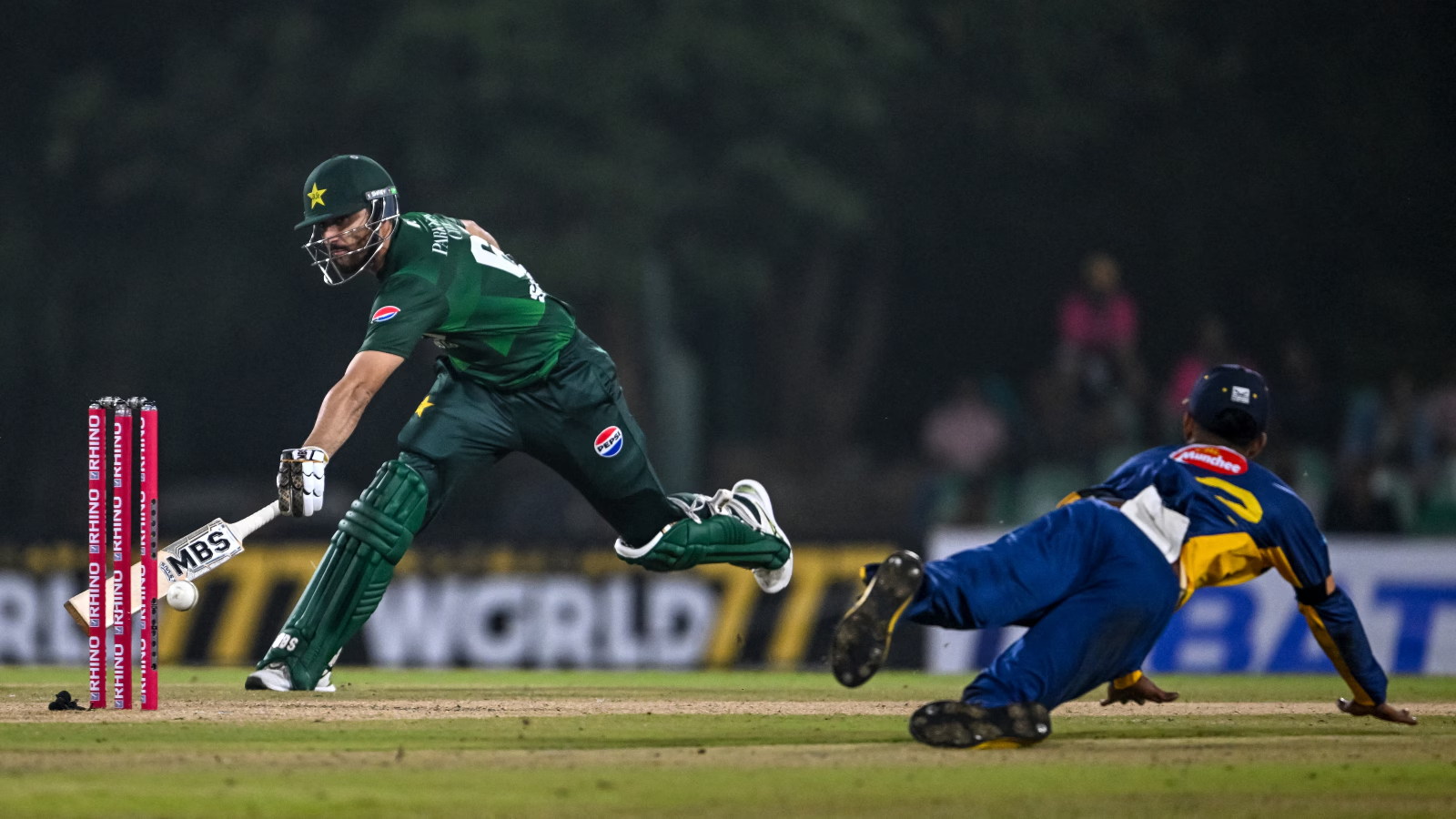
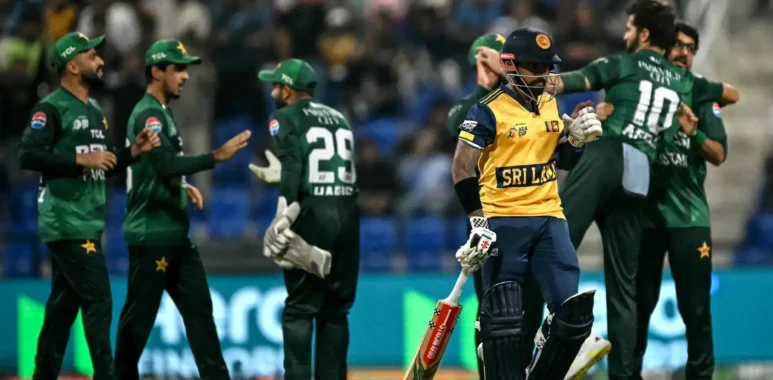
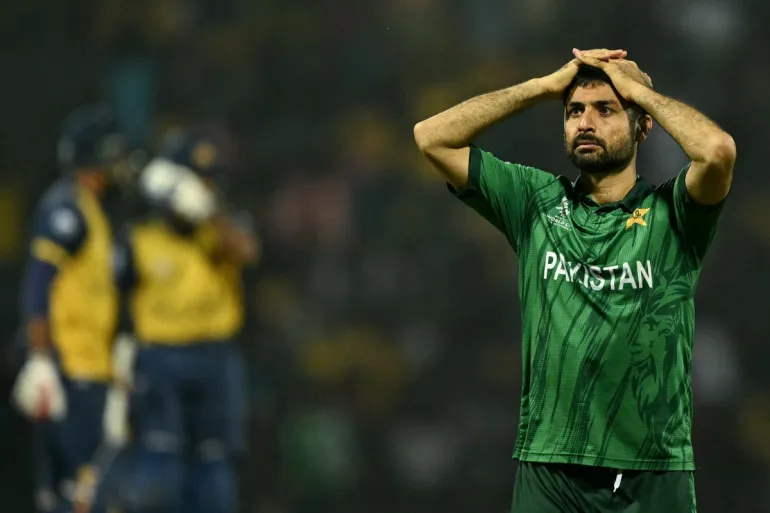
In the electrifying cauldron of Pallekele International Cricket Stadium in Kandy, under the floodlights on February 28, 2026, Pakistan and Sri Lanka clashed in what turned out to be a heart-pounding encounter in the 50th match of the ICC Men’s T20 World Cup. This Super Eights Group 2 fixture wasn’t just another game; it carried the weight of survival for Pakistan, who needed not only a victory but a massive one—restricting Sri Lanka to 147 or fewer—to pip New Zealand on net run rate and sneak into the semi-finals. What unfolded was a spectacle of explosive batting, clever bowling, dramatic collapses, and a nail-biting finish that saw Pakistan clinch a 5-run win, posting 212/8 before holding Sri Lanka to 207/6. Yet, the joy was short-lived, as the margin wasn’t enough, consigning the former champions to an early exit while New Zealand advanced alongside England and South Africa.
The ICC Men’s T20 World Cup 2026, co-hosted by India and Sri Lanka, had already been a tournament of upsets and high drama. Expanded to 20 teams, it featured intense group stages and Super Eights battles that tested every squad’s mettle. Pakistan, led by Salman Agha, entered the Super Eights with mixed form: impressive wins against lower-ranked sides but stumbles against heavyweights like South Africa. Their batting had relied heavily on the explosive Sahibzada Farhan, who was already rewriting records, and the mercurial Fakhar Zaman. Sri Lanka, under Dasun Shanaka’s captaincy, were playing on home soil but had been inconsistent, blending youthful exuberance with experienced heads like Pathum Nissanka and Maheesh Theekshana. The Lions had secured a couple of crucial victories but were out of semi-final contention, playing for pride and perhaps to spoil Pakistan’s party.
Pallekele, with its lush outfield and batsman-friendly pitches, has a storied history in T20 cricket. Known for high-scoring affairs, it had hosted memorable World Cup moments in the past, including Sri Lanka’s triumphs in earlier editions. The evening conditions promised dew, which could make bowling second a challenge, influencing the toss. Sri Lanka won it and, unsurprisingly, elected to field first, hoping to chase under lights. Pakistan made three changes: resting Babar Azam for workload management, bringing in debutant Naseem Shah for pace, and spinner Abrar Ahmed for variety, while Khawaja Nafay slotted into the middle order.
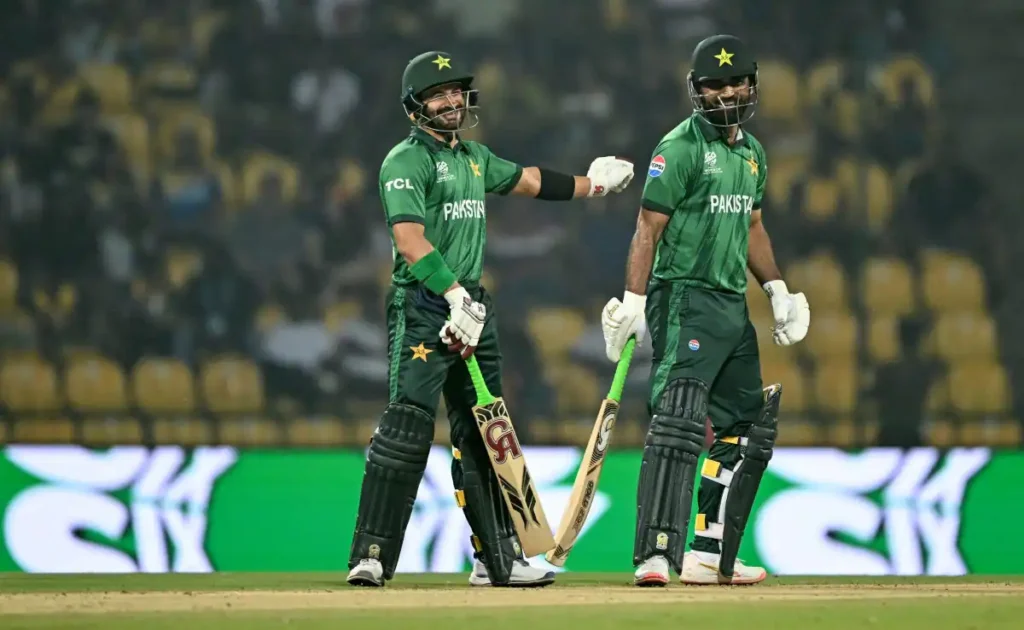
Pakistan’s innings started with a bang, as openers Farhan and Zaman tore into the Sri Lankan attack from the outset. Dilshan Madushanka, Sri Lanka’s spearhead, opened the bowling but was greeted with disdain. Farhan, in scintillating form throughout the tournament, flicked the first ball for a boundary through midwicket, setting the tone. Zaman, not one to be outdone, stepped out to Madushanka in the second over, slogging a length ball over deep midwicket for six. The powerplay was a masterclass in aggressive intent: Pakistan raced to 64/0, their highest in the tournament, with Farhan’s elegant drives and Zaman’s brute force complementing each other perfectly.
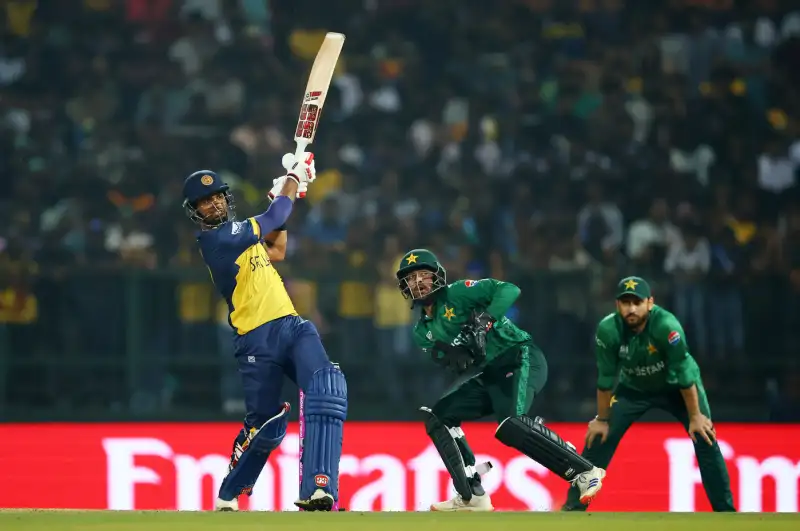
By the fourth over, the duo had notched 50 runs in just 28 balls, with Farhan’s straight drive off Dushmantha Chameera for six highlighting his class. Drinks came at the end of the sixth over, with the scoreboard reading a healthy 64/0. Post-break, the assault continued. Maheesh Theekshana, Sri Lanka’s mystery spinner, was introduced but couldn’t stem the flow. Farhan reached his fifty off 32 balls in the 11th over, a pulled six off Dunith Wellalage marking the milestone. Zaman followed suit, smashing a full toss from Janith Liyanage for four to bring up his half-century in 27 balls.
The partnership swelled to 100 in 59 balls, then 150 in 84, rewriting the record books. Their 176-run stand for the first wicket eclipsed the previous T20 World Cup high of 175 set by New Zealand’s Finn Allen and Tim Seifert against UAE in 2024. It was a blend of calculated risks and sheer power—Farhan’s nine fours and five sixes interspersed with Zaman’s nine boundaries and four maximums. Sri Lanka looked shell-shocked; Shanaka rotated his bowlers desperately, but nothing worked. Chameera finally broke through in the 16th over, castling Zaman with a yorker that tailed in late, ending the opener’s 84 off 42.
Nafay, the young gun, came and went quickly, holing out to Charith Asalanka at long-on off Madushanka for 2. Shadab Khan tried to accelerate but was run out for 7 in a mix-up. The death overs turned chaotic for Pakistan: Mohammad Nawaz and captain Salman Agha both fell for ducks to Shanaka’s medium pace, caught in the deep attempting big shots. Farhan, meanwhile, marched to his century—his second of the tournament, a feat unmatched in a single T20 World Cup edition—off 59 balls, surpassing Virat Kohli’s record for most runs in a tournament (now at 383). But even he perished soon after, caught by Liyanage off Madushanka for 100 off 60.
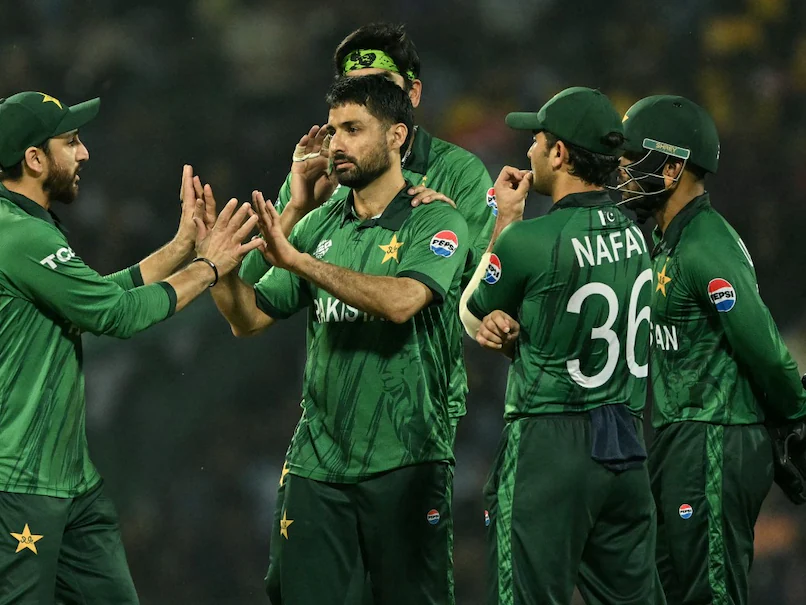
The last four overs yielded just 35 runs for seven wickets, a stunning collapse that included Shaheen Shah Afridi’s lbw for 4 and Naseem Shah’s run-out for 1. Madushanka finished with 3-33, his yorkers proving lethal, while Shanaka’s 2-42 provided control. Pakistan ended at 212/8, a formidable total but perhaps 20-30 short of what their start promised. Farhan later reflected in the post-match presentation: “We aimed for 230, but credit to Sri Lanka for pulling it back. Still, it’s a defendable score on this pitch.”
After a brief interval, Sri Lanka’s chase began under pressure—not just from the target but knowing they could knock Pakistan out. Shaheen Afridi opened with fire, but Nissanka and Kamil Mishara countered aggressively. However, Naseem Shah, on debut, struck gold in his first over: a slower ball deceived Nissanka (3 off 7), who miscued to Nawaz at mid-off. Mishara, the young keeper-batter, looked promising, smashing Abrar for a six in the fourth over, but the leg-spinner had his revenge, bowling him through the gate for 26 off 15.
At 33/2 after four overs, Sri Lanka needed stability. Asalanka and Pavan Rathnayake provided it, taking 12 off Naseem in the sixth to end the powerplay at 49/2. Abrar, Pakistan’s trump card, bowled economically, conceding just 23 in his four overs while picking three wickets. He had Asalanka (25 off 18) holing out to long-on with a slog sweep, then trapped Kamindu Mendis (3 off 6) with a googly. Nawaz joined the party, bowling Liyanage (5 off 3) with a slider, leaving Sri Lanka reeling at 101/5 after 12 overs.
Enter the turning point: Rathnayake and Shanaka’s counterattack. Rathnayake, in only his second T20I, played with freedom, smashing boundaries off Usman Tariq and Shadab. The pair added 61 in 32 balls for the sixth wicket, with four sixes and a four in a ten-ball blitz that reignited the chase. Rathnayake reached his fifty off 32 balls, pulling Shaheen for six. Shanaka, the captain, was the aggressor, launching Naseem for a massive six in the 17th over. Sri Lanka reached 150 in the 16th over, needing 63 from 24 balls—a tall but doable ask.
Shaheen returned to break the stand, having Rathnayake (58 off 37) caught by substitute Saim Ayub at deep midwicket. Now 162/6, with 51 needed from 18 balls, Shanaka went berserk. Shadab’s 19th over cost 20: two sixes from Shanaka, including a monstrous pull over square leg. Entering the final over, Sri Lanka needed 28 off Shaheen. Shanaka started with a boundary through extra cover, then three consecutive sixes: a flick over fine leg, a pull over midwicket, and a straight drive that cleared the sightscreen. Suddenly, 6 needed off 2 balls.
The drama peaked. Shaheen’s penultimate ball was a yorker outside off; Shanaka attempted a reverse scoop but missed. Umpire Sam Nogajski ruled it legal, despite Sri Lankan protests for a wide—the ball had brushed the guideline but was deemed fair. The final delivery, another yorker, was left alone by Shanaka, hoping for a wide, but it wasn’t called. Sri Lanka finished at 207/6, five short. Shanaka’s unbeaten 76 off 31 (two fours, eight sixes) was heroic, but not enough. Abrar was the bowling star with 3-23, his variations bamboozling the middle order.
Player of the Match Farhan said: “It’s bittersweet. We fought hard, but qualification slipped away. Proud of the team, though.” Salman Agha admitted post-match: “Poor decisions under pressure cost us. We should have built on that start.” For Sri Lanka, Shanaka lamented: “We gave away too many in the powerplay, but proud of the fightback. The umpiring call at the end was tight, but that’s cricket.”
Statistically, the match was a landmark: Farhan’s ton made him the first to score two in a T20 World Cup, and the opening stand was historic. Pakistan’s collapse (7 wickets for 36) highlighted their fragility, while Sri Lanka’s 207 was their highest chase attempt in World Cups. The result eliminated Pakistan, who finished with four points but inferior NRR to New Zealand’s. Group 2 standings: England top with six points, South Africa and New Zealand on four each, Pakistan also on four but out.
This match encapsulated T20 cricket’s essence: unpredictability, individual brilliance, and fine margins. As the tournament heads to semi-finals—England vs India, South Africa vs Australia—Pakistan reflect on what could have been. Sri Lanka, too, exit with heads high, Shanaka’s knock a reminder of their potential. In a World Cup full of stories, this thriller will be remembered as the one where victory tasted like defeat.