
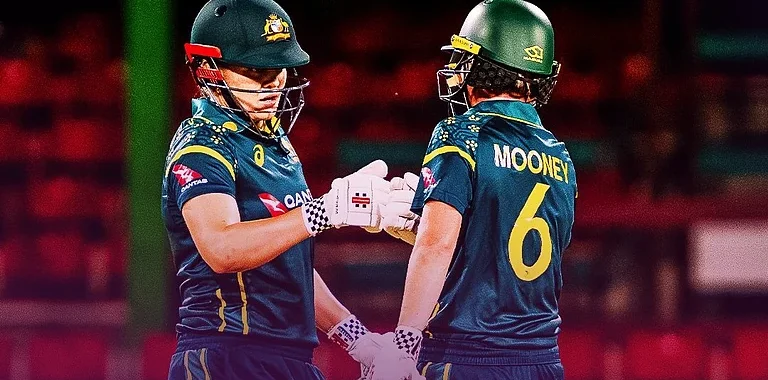
Australia Women Dominate Series Opener: Beth Mooney and Alana King Seal 43-Run Victory in Kingstown Thriller
In the humid Caribbean night at Arnos Vale Ground in Kingstown, St Vincent, on Friday, March 20, 2026, Australia Women announced their intent for the T20I series against West Indies Women with a commanding 43-run victory in the first match of the three-game rubber. Batting first after winning the toss, the world’s number one-ranked T20 side posted a competitive 164 for 6 in 20 overs before restricting the hosts to 121 for 6. It was a clinical display of batting depth, spin wizardry, and resilience, even if Australia’s fielding left plenty to be desired.
Player of the Match Beth Mooney anchored the innings with a masterful 79 off 55 balls, while leg-spinner Alana King produced a spellbinding 3 for 14 in four overs that ripped the heart out of the West Indies chase. For a West Indies side still rebuilding after a disappointing 2024 T20 World Cup and eyeing home advantage, the defeat highlighted the gulf in class against the dominant Australians, who now lead the series 1-0 ahead of the second T20I at the same venue.
The result was never truly in doubt once Australia recovered from an early wobble, but the manner of victory—built on a 99-run third-wicket partnership and a devastating middle-overs bowling burst—offered a glimpse into Australia’s ruthless preparation for the T20 World Cup in India later this year. West Indies, captained by the evergreen Hayley Matthews, fought hard with the ball and showed flashes of promise with the bat, but ultimately lacked the firepower and composure to chase down a target above 8.2 runs per over on a pitch that offered grip for the spinners.
Pre-Match Context: Rivals, Rankings, and Redemption
Australia arrived in the Caribbean as overwhelming favourites. Fresh off a dominant run in bilateral series and with a squad brimming with world-class talent, they had named Sophie Molineux as captain following Alyssa Healy’s retirement. Molineux, herself recovering from a minor back niggle that had sidelined her briefly, was determined to stamp her authority. The tourists had rested several key players in recent warm-ups but fielded a near full-strength XI, including the explosive Georgia Voll, the reliable Phoebe Litchfield, and the all-round might of Ellyse Perry and Ashleigh Gardner.
West Indies, meanwhile, were playing their first international at home since a challenging tour of South Africa. The side featured a mix of youth and experience: Matthews leading from the front, veteran Deandra Dottin providing firepower, and emerging talents like Qiana Joseph and Chinelle Henry looking to make statements. Shemaine Campbelle was marking her 150th T20I, a milestone that added emotional weight. The Arnos Vale pitch, known for assisting spinners and offering variable bounce under lights, promised a contest where skill would trump brute force.
The crowd, a vibrant mix of locals in bright colours and a smattering of Australian supporters, created an electric atmosphere under the floodlights. With the series billed as crucial preparation for both teams ahead of global events, every run and wicket carried extra significance.
Australia’s Innings: From Early Jitters to Moody Mastery
Australia won the toss and elected to bat, a decision that looked shrewd as the surface offered early movement but settled into a true batting track. Openers Georgia Voll and Beth Mooney began cautiously. Voll, the aggressive left-hander, looked in touch but fell for 19 in the third over, dismissed by a clever inswinger from Deandra Dottin. Phoebe Litchfield followed soon after for a quickfire contribution, caught in the deep off Jahzara Claxton, leaving Australia at 34 for 2 in the powerplay.
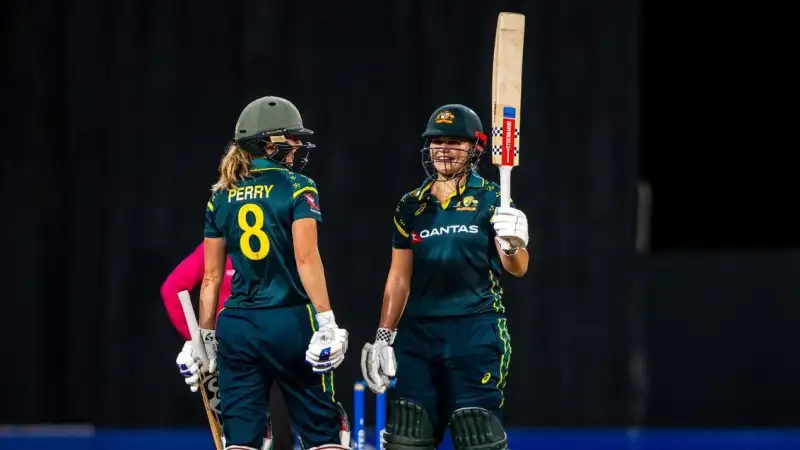
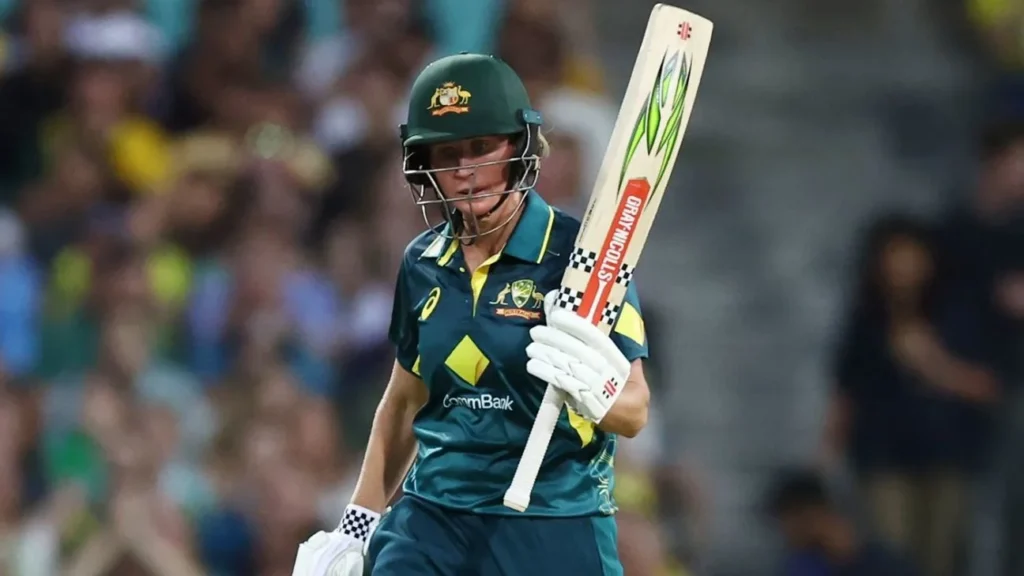
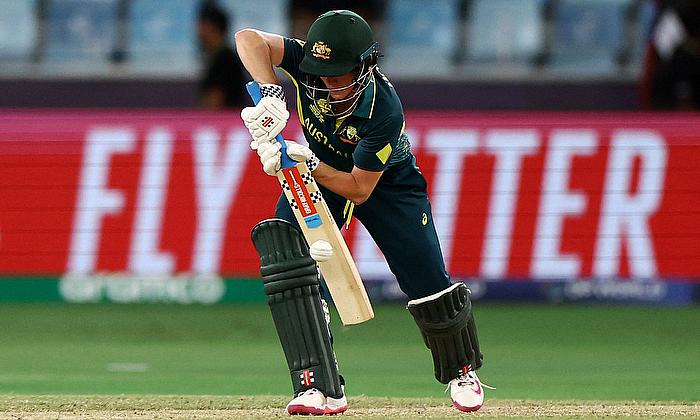
Enter the rescue mission. Mooney, the world’s premier T20 batter and a model of consistency, found a perfect ally in Ellyse Perry. The pair stitched together a 99-run partnership off just 68 balls for the third wicket, transforming the innings from precarious to formidable. Mooney, who had started slowly, accelerated brilliantly after the drinks break. Her 79 included seven crisp boundaries and two towering sixes, showcasing her trademark timing and placement. She manipulated the field with singles, rotated strike effortlessly, and punished anything loose.
Perry’s 36 off 32 balls was no less important. The all-rounder, playing her measured game, provided the stability needed while Mooney took the attack to the West Indies bowlers. The partnership reached its zenith around the 15-over mark, with Australia cruising at over 8 runs per over. At 133 for 2 with four overs remaining, a total north of 170 looked possible.
But West Indies refused to lie down. Dottin, bowling with craft and variation, broke the stand by inducing a miscued shot from Perry that was caught at long-on. Chinelle Henry then accounted for Mooney, who holed out at mid-off attempting one big shot too many. A late collapse followed: Ashleigh Gardner, Georgia Wareham, and others fell in quick succession as Australia lost 4 for 23 in the death overs. Dottin finished with impressive figures of 3 for 35, while Henry claimed 2 for 28. The final total of 164 for 6 was competitive rather than daunting—testament to West Indies’ disciplined bowling and sharp fielding early on.
No other Australian batter reached double figures in a telling sign of how much the innings had rested on the Mooney-Perry axis. Yet the total was enough. On a pitch assisting spin and with Australia’s varied attack, 165 felt like a par-plus score.
The Chase: King’s Magic Turns the Tide
West Indies began the chase with intent. Matthews and Qiana Joseph got the hosts off to a flyer, reaching 33 for 0 after the powerplay. Joseph, in particular, looked fluent, striking seven fours and a six in her 45 off 39 balls. Matthews, dropped twice in the early overs (part of Australia’s six dropped catches overall), survived to make 11 before the wheels came off.
The turning point arrived in the middle overs with Alana King’s introduction. The leg-spinner, recalled to the side after a brief omission and eager to prove a point following her “disappointing” exclusion from the recent India series, delivered a spell for the ages. First, she bowled Matthews for 11 with a beautifully flighted delivery that gripped and turned. Then, in a double-wicket maiden that will be replayed for years, King trapped Campbelle lbw and clean-bowled Dottin for a golden duck. In the space of five balls, West Indies slumped from 76 for 2 to 76 for 4 after 13 overs.
The required run rate ballooned beyond 13. Georgia Wareham complemented King perfectly, taking 2 for 14 and applying further pressure with her variations. Joseph battled valiantly to 45 but could not find partners to accelerate. Stafanie Taylor contributed a gritty 28 off 25, but the momentum had shifted irrevocably. Chinelle Henry’s unbeaten 12 provided late resistance, yet the innings petered out at 121 for 6.
Australia’s fielding, by contrast, was unusually sloppy. Six catches were spilled, three of them off King’s bowling, robbing her of even better figures and allowing West Indies brief windows of hope. Captain Molineux was quick to acknowledge the issue post-match: “We’ll look to tidy that up.” But the bowling unit’s control—King’s economy of 3.50, Wareham’s tight lines, and support from the seamers—ensured the lapses did not prove costly.
Star Performers and Tactical Insights
Beth Mooney’s knock was a masterclass in T20 batting. At 33, the veteran opener continues to defy age with her footwork, shot selection, and game awareness. Her ability to absorb pressure early and explode later has been the cornerstone of Australia’s success for nearly a decade. “I thought she executed really well, bowled to the conditions,” Mooney said of King’s spell. “It was nice to see her reap the rewards tonight.”
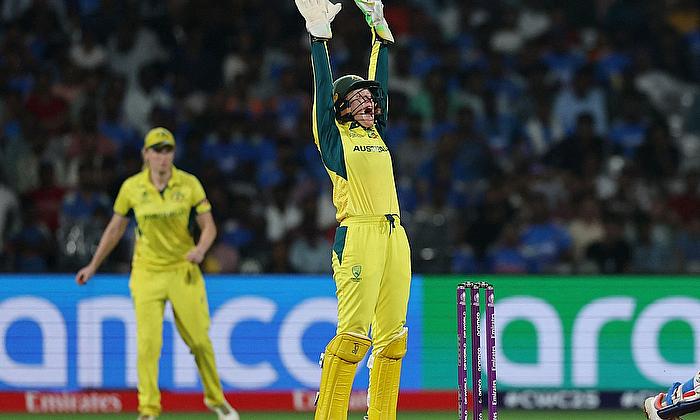
Alana King’s return was equally significant. Her 3 for 14 not only dismantled the chase but reignited debate about Australia’s spin depth. With Georgia Wareham already established and Ashleigh Gardner providing all-round balance, selectors now face a pleasant headache: can they accommodate two specialist wrist-spinners ahead of the T20 World Cup? King’s economy rate of 6.58 since last year and her ability to bowl in the powerplay or middle overs make her a potent weapon.
For West Indies, Qiana Joseph’s innings showed promise, while Dottin’s three wickets proved she remains a threat with the ball. However, the middle order’s inability to build on the platform exposed familiar frailties. Matthews’ early dismissal after two drops was a missed opportunity that ultimately defined the innings.
Broader Implications for the Series and Beyond
This victory extends Australia’s dominance in women’s T20 cricket. They have now won 18 of their last 20 T20Is against West Indies and continue to set the benchmark globally. The win also validates Molineux’s captaincy transition and the squad’s depth, with several players rested or rotated still contributing meaningfully.
For West Indies, the defeat stings but offers lessons. Home conditions should favour them in the remaining matches, and the series provides a platform to blood youngsters and refine tactics. The Caribbean side’s bowling attack showed discipline; with better batting execution and improved fielding, they can push Australia in the next encounters.
The second T20I on Sunday promises more fireworks. Australia will aim to seal the series with another professional performance, while West Indies must find a way to counter King’s variations and Mooney’s consistency if they are to level the rubber.
A Night to Remember in Kingstown
As the players shook hands under the lights, the scoreboard told a story of Australia’s superiority: 164 for 6 defended with authority against 121 for 6. Yet the match was richer than the numbers suggest. It featured a record-equalling partnership, a spell of spin magic, and enough dropped catches to keep coaches busy in the review sessions.
In the grand scheme, this was more than just the first T20I of a bilateral series. It was a statement from Australia that their machinery remains well-oiled despite transitions. For West Indies, it was a reminder of the gap to the summit—and the hard work required to close it.
Beth Mooney walked off with the Player of the Match trophy, her bat raised in salute to the small but vocal Australian contingent. Alana King, beaming, received high-fives from teammates. The night belonged to the visitors, but the Caribbean crowd left knowing they had witnessed high-class women’s cricket.