
Dead or Alive 6 Last Round: One Last Dance Before the Main Event
It’s June 26, 2026, and I’m sitting here with a fresh copy of Dead or Alive 6 Last Round installed, wondering how seven years can feel both like yesterday and an eternity in fighting game time. Team Ninja and Koei Tecmo dropped this “definitive” version yesterday, June 25, right on the heels of announcing a brand-new Dead or Alive 7 in development. It’s a classic move: polish up the old favorite, bundle in the DLC, add some next-gen shine, and hope it tides everyone over while they cook up the real sequel. Does it work? Mostly yes, but with some familiar frustrations that make you wish they’d gone all-in.
Let’s get the obvious out of the way. If you never played DOA6 back in 2019, Last Round is an absolute no-brainer. For around $40 (or less on sale, and with a free Core Fighters version to dip your toes in), you’re getting one of the most entertaining 3D fighters ever made, now looking and feeling better than it did at launch. If you already own the original and all the DLC, though? It’s a tougher sell. The new stuff is nice but not revolutionary, and some questionable decisions around content and online features hold it back from feeling like a true must-buy upgrade.
The Fighting: Still Snappy, Strategic, and Stupidly Fun
At its core, Dead or Alive 6 Last Round plays like the 2019 game, which is great news because the foundation was already rock solid. The series has always lived in that sweet spot between Tekken’s depth and Virtua Fighter’s crisp counter-focused combat, but with its own flashy, bouncy personality. The famous triangle system is still king: strikes beat throws, throws beat holds, holds beat strikes. It creates this constant mind-game tension where every blocked attack or whiffed move feels punishable.
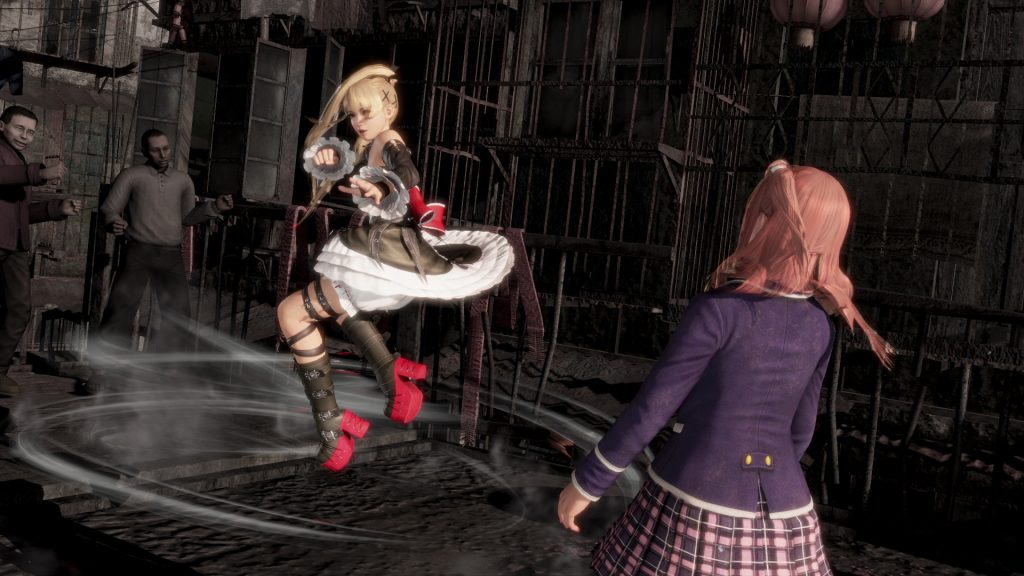
Newer players get a gentle on-ramp with Fatal Rush—just mash the dedicated S button (or whatever you map it to) for flashy combo strings that look pro without requiring frame-perfect inputs. But once you dig deeper, the game rewards timing, spacing, and reads. The Break Gauge system adds another layer: fill it up through aggressive play and you can unleash Break Blows (big cinematic finishers) or Break Holds (devastating counters that reposition you behind the opponent). Danger Zones on multi-tiered stages can turn a solid round into a spectacular one, sending fighters crashing through walls, off balconies, or into explosive environmental hazards.
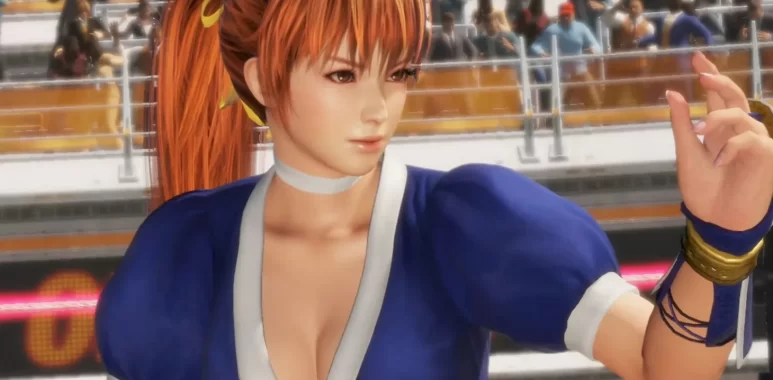
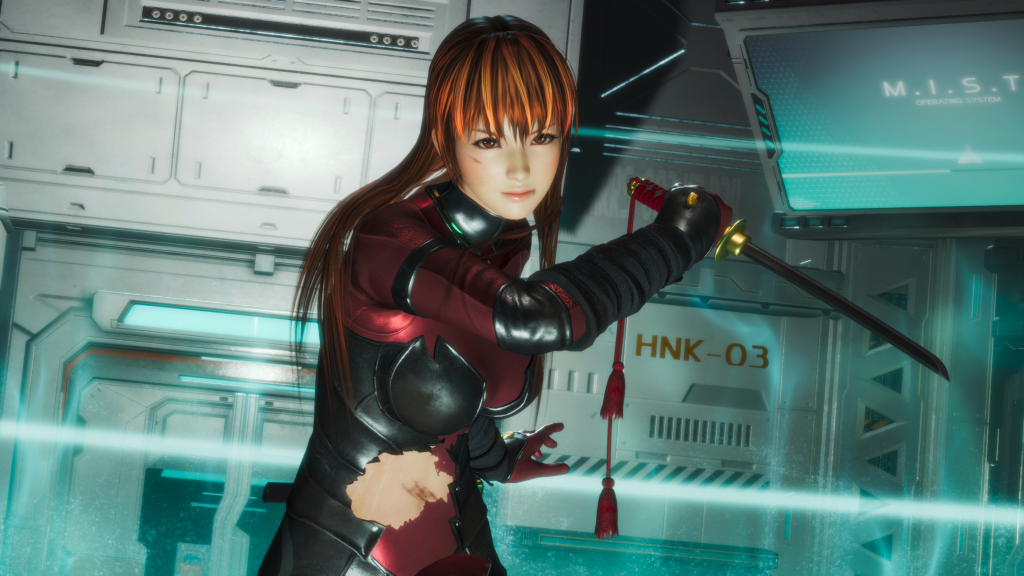
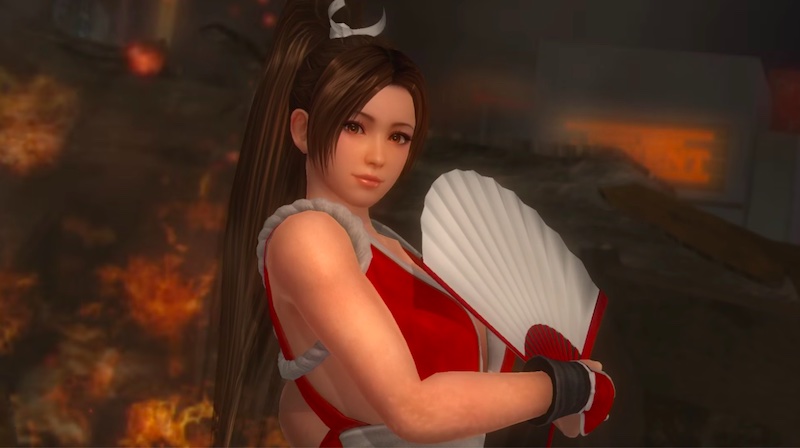
I spent a good chunk of my first evening in Training Mode just relearning favorite characters. Kasumi’s lightning-fast strikes still feel ethereal, Hayabusa’s ninja tools are satisfyingly tricky, and powerhouses like Bass or Tina let you live out wrestling fantasies. The roster hits 29 characters right out of the gate, including the five major DLC fighters from the original (Nyotengu, Phase 4, Momiji, Rachel, and Tamaki). Crossover guests like Mai Shiranui and Kula Diamond are sadly missing at launch and will require separate purchases—another reminder that this is more “complete package” than radical reinvention.
Animations remain top-tier. Characters sweat, bruise, and tear clothing in ways that feel dynamic rather than purely exploitative (though the franchise’s reputation for fanservice is alive and well). The new Oboro lighting system on select stages—like the reworked Lost Paradise stage—makes everything pop with realistic shadows, reflections, and ambient glow. Water looks particularly gorgeous now. Unfortunately, not every stage supports it yet; Team Ninja has promised free updates to expand it, but at launch it feels half-finished.
Performance is strong across platforms. On PS5 and Series X it’s a locked 60fps with 4K output, and PC players get plenty of graphics options. I tested on PC and it ran buttery smooth even during chaotic multi-character matches.
Single-Player Content: Plenty to Do Offline
One thing DOA has always done better than some peers is offline modes. Last Round keeps them all and they still hold up. DOA Quest is my personal favorite—a mission hub with dozens of challenges that teach mechanics while rewarding customization items. Arcade, Survival, Time Attack, and Versus modes are all here, along with a deep Training Mode that includes combo challenges and character-specific tutorials.
The Story Mode? It’s… there. The narrative jumps around the DOATEC tournament drama with cutscenes that mix high production values for fights and lower-budget dialogue sequences. It’s campy fun if you’re into the lore, but don’t expect Mortal Kombat levels of cinematic polish. It serves more as a vehicle to introduce characters and movesets than a compelling tale.
What’s genuinely new and excellent is the Photo Mode. This isn’t just a quick screenshot tool—it’s a full staging suite. Pick a stage, drop in one or two characters, pose them using actual move animations or free positioning, tweak expressions, lighting, camera angles, and even trigger combo sequences for dynamic shots. It’s perfect for the franchise’s aesthetic and will keep creative players busy for hours. Combined with the huge wardrobe of costumes (many carried over from previous purchases), it’s a standout addition.
Online: Functional But Behind the Times
Here’s where enthusiasm dips. Online play works fine for casual matches, with lobbies and ranked options, but it lacks rollback netcode—a standard in modern fighters like Street Fighter 6 or Tekken 8. You’ll notice occasional stutters or predictive rollback issues, especially in cross-region play. There’s also no cross-play at launch between PS5, Xbox, and PC, which fragments the player base right when the game needs momentum.
Team Ninja has said more online improvements are coming post-launch, but it feels like a missed opportunity for a 2026 release. The community is enthusiastic right now (as these things always are at launch), but sustained player counts will depend on how quickly they address these pain points.
Visuals, Audio, and That Signature DOA Flavor
Graphically, Last Round is a noticeable step up from the 2019 version, especially with improved models, shading, and that selective Oboro lighting. Character models hold up incredibly well—detailed faces, expressive animations, and physics that still draw plenty of attention (you know what I mean). The game leans hard into its sexy, over-the-top identity without apology, which will delight fans and probably annoy detractors as much as ever.
Sound design is punchy—impacts feel weighty, voice acting is serviceable (Japanese tracks are excellent), but the soundtrack is a mixed bag of energetic J-pop/rock that sometimes overstays its welcome. You can swap tracks or go custom, thankfully.
Customization and Monetization
Costume carry-over is a big plus for veterans. Most DLC outfits transfer, though some microtransaction hair colors might not. There are tons of options to unlock or buy, letting you dress characters in everything from tournament gear to wild alternate looks inspired by other Team Ninja games. It’s deep and fun, feeding into the Photo Mode obsession.
The free Core Fighters version lets you play a solid chunk with base characters and earn more through play, which is a smart way to hook new fans.
Final Verdict: Worth the Round?
Dead or Alive 6 Last Round scores a solid 7.5/10 from me. As a standalone fighting game in 2026, it delivers fast, accessible-yet-deep 3D combat, gorgeous visuals on modern hardware, a massive amount of content, and that irresistible DOA charm. Newcomers or lapsed fans should jump in immediately—especially at its price point and with the free option available.
For longtime owners, it’s harder to recommend at full price. The Photo Mode and lighting upgrades are welcome, the bundled DLC is convenient, and performance improvements are nice, but it doesn’t overhaul enough to feel essential. No major mechanical changes, limited new stages with the fancy lighting, missing crossovers, and online shortcomings make it feel more like a polished re-release than a triumphant return.
Still, I can’t help but root for it. Dead or Alive has always been the flashy underdog in the 3D fighter space, and seeing it get this send-off before DOA7 arrives feels right. The series deserves to stay alive with its unique mix of technical fighting, environmental chaos, and unapologetic spectacle. If Team Ninja follows through on post-launch support—more Oboro stages, better netcode, additional characters, and maybe even cross-play—this could become the definitive way to experience DOA6 for years.
In the end, Last Round reminds us why we fell for this series: it’s pure, adrenaline-fueled entertainment. Whether you’re a serious competitor grinding ranks or just want to stage ridiculous photoshoots with ninjas and wrestlers, there’s joy to be found here. The tournament isn’t over yet. Grab your controller, step into the ring, and enjoy the show while we wait for the next big bout.
