
Rain Washes Out Second ODI as West Indies and Sri Lanka Clash Ends in Frustration in Kingston
Kingston, Jamaica, found itself at the center of cricketing disappointment on Sunday as the highly anticipated second One Day International between West Indies and Sri Lanka was abandoned without a single ball being bowled. The match, scheduled as a day-night encounter at the Sabina Park, ended in a no-result after persistent rain forced officials to call off proceedings following the toss. For fans who had packed the stands hoping for a thrilling contest under the lights, it was a bitter pill to swallow, especially after a promising start to the series.
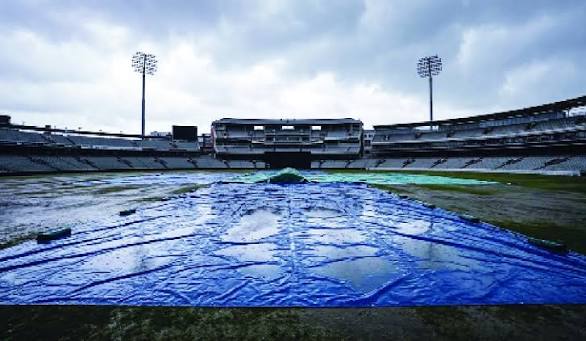
The series opener had already set a competitive tone, with both sides showcasing flashes of brilliance that hinted at an exciting rubber ahead. West Indies, playing on home soil, came into this game looking to build on their momentum, while Sri Lanka aimed to level the scores and assert their dominance in the limited-overs format. Yet, the weather gods had other plans, turning what should have been an electric evening into a soggy affair marked by covers on the pitch and umbrellas in the crowd.
Toss time arrived amid overcast skies, with West Indies captain Nicholas Pooran winning the coin toss and opting to bowl first, citing the dew factor that often plays a role in day-night games in the Caribbean. Sri Lanka skipper Charith Asalanka, who had led his team with composure in the first match, expressed no regrets about batting second if the opportunity arose. Little did they know that those words would be the only meaningful exchange of the evening. Umpires consulted with the ground staff multiple times as light showers intensified into heavier downpours, eventually leading to the inevitable decision around two hours after the scheduled start.
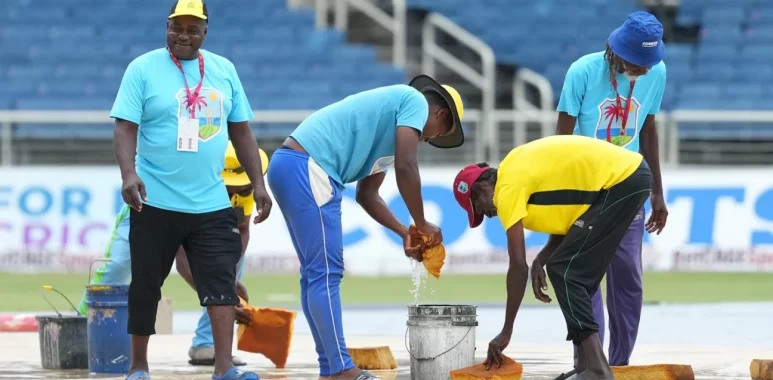
This abandonment marks the latest in a string of weather-interrupted matches in recent international cricket tours. Kingston, known for its passionate cricket supporters and vibrant atmosphere, has seen its fair share of rain-affected games over the years. Sabina Park, with its iconic backdrop and history of hosting memorable encounters, was dressed for a spectacle but instead delivered frustration. Groundsmen worked tirelessly, rolling and mopping the outfield, but the tropical rains proved unrelenting.
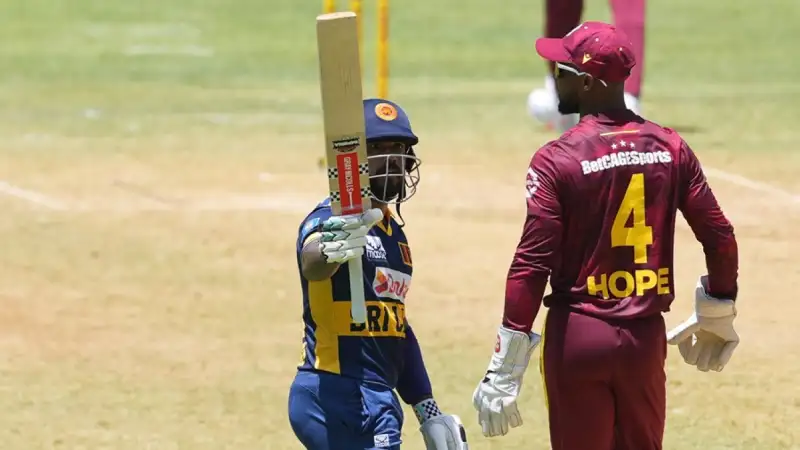
For West Indies, this result halts their bid to gain early series momentum. The team, under Poorans leadership, has been rebuilding steadily, blending experienced campaigners with exciting young talents. Players like Shai Hope, Rovman Powell, and the explosive Sherfane Rutherford were primed to entertain the home crowd. Hope, in particular, has been in sublime form across formats, anchoring innings with precision and class. His ability to rotate strike and accelerate when needed makes him a cornerstone of the Caribbean batting lineup. Powell, known for his power-hitting, was expected to exploit any short deliveries, while spinners like Gudakesh Motie and Akeal Hosein would have relished the chance to weave their magic on a potentially gripping surface.
Sri Lanka, on the other hand, arrived in the Caribbean with a squad brimming with confidence following strong performances in Asia. Their batting depth, led by Pathum Nissanka and Kusal Mendis, provides a solid foundation, while the middle order featuring Asalanka and Dasun Shanaka adds dynamism. The bowling attack, spearheaded by the likes of Maheesh Theekshana and Wanindu Hasaranga, poses significant threats with their variations and control. Hasaranga, especially, has evolved into one of the worlds premier white-ball spinners, capable of turning matches on their head with his googly and sharp turn.
The first ODI, played earlier in the tour, saw West Indies edge out a narrow victory, thanks largely to a disciplined bowling effort and a crucial half-century from Powell. That win boosted home spirits and put the pressure back on Sri Lanka to respond. Fans in Jamaica had been buzzing about the prospect of a West Indies sweep or at least a dominant showing on familiar turf. Local media had hyped the matchup extensively, drawing parallels to historic Caribbean triumphs against subcontinental sides. Yet, nature intervened, leaving both teams with one point each from the abandoned fixture and the series still wide open heading into the decider.
Reflecting on the broader context of this tour, it represents more than just bilateral bragging rights. For West Indies, success in limited-overs cricket is crucial for maintaining relevance in a packed international calendar and boosting player morale ahead of upcoming global events. The team has shown glimpses of their golden-era potential, with a mix of flair and strategy that echoes the days of Lara and Richards. Young all-rounders like Roston Chase and Jason Holder continue to provide balance, offering both batting stability and bowling options. Holder, in his leadership capacity even when not captaining, brings a calming presence and vital experience.
Sri Lanka, rebuilding after a period of transition, views this tour as an opportunity to test their bench strength and refine strategies for future challenges. Their pace bowling contingent, including the promising Matheesha Pathirana, has been working on adapting to Caribbean conditions, where bounce and movement differ markedly from the slower tracks back home. Spin remains their forte, but the ability to take wickets with the new ball will be key if they are to compete effectively away from home.
Weather has always been a factor in cricket, particularly in regions like the Caribbean where sudden showers can disrupt even the best-laid plans. This match was no exception. Reports from the ground indicated that while the morning started dry, clouds gathered ominously by midday. By the time the toss occurred, the outfield was already damp in patches, making it impossible for play to commence safely. The International Cricket Council regulations allow for reserve days in some formats, but for this ODI series, no such provision existed, sealing the fate of the contest.
Fans, both local and visiting, took the news with a mix of resignation and humor. Social media platforms lit up with memes and messages of support for the players. One Jamaican supporter, interviewed outside the stadium, remarked that while disappointing, it was part of the unpredictable beauty of cricket in the islands. Vendors selling jerseys and snacks made the best of the situation, engaging with disappointed crowds and sharing stories of past rain-affected classics.
Looking ahead, the third and final ODI promises to be a blockbuster, assuming better conditions. Both teams will regroup, analyze footage from the first match, and fine-tune their combinations. For West Indies, the focus will likely remain on their batting firepower and restricting Sri Lankas middle order. Sri Lanka will emphasize early breakthroughs and capitalizing on any batting collapses from the hosts.
This abandonment also invites reflection on broader issues in international cricket scheduling. With climate patterns shifting, rain interruptions are becoming more frequent, prompting calls for better contingency planning, improved drainage systems at venues, and perhaps more flexible formats. Sabina Park has undergone upgrades in recent years, but even modern facilities can struggle against prolonged tropical storms.
Player welfare remains paramount in such scenarios. Extended waiting periods in dressing rooms can be mentally taxing, and captains must keep squads motivated. Pooran and Asalanka both addressed the media briefly post-abandonment, emphasizing the need to stay positive and focus on the next opportunity. Pooran noted the importance of home support and how the team feeds off the energy at Sabina Park, while Asalanka highlighted the resilience his squad has built through adversity.
Delving deeper into team dynamics, West Indies boast a rich history in ODIs, with legendary figures like Brian Lara and Chris Gayle having lit up the format. The current crop draws inspiration from those icons while carving their own paths. The inclusion of emerging talents such as Brandon King and Alzarri Joseph adds layers to the squad. Josephs express pace has troubled many batsmen, and his ability to generate bounce could be decisive in drier conditions.
On the Sri Lankan side, veterans like Angelo Mathews, if selected, bring invaluable know-how, mentoring younger players through the rigors of touring. The spin department, a hallmark of Sri Lankan cricket since the Muralitharan era, continues to thrive with Theekshana and Hasaranga forming a potent duo. Their variations challenge even the most accomplished batters, forcing errors in timing and placement.
Historical encounters between these two nations add another dimension. From tense World Cup clashes to bilateral thrillers, West Indies and Sri Lanka have produced memorable cricket. The 1996 World Cup semi-final remains etched in memory, but more recent meetings have been equally competitive. This tour, though affected by weather, continues that tradition of spirited rivalry.
Beyond the scoreboard, such matches foster cultural exchanges. Jamaican hospitality met Sri Lankan warmth, with players engaging in joint training sessions and community events prior to the game. Cricket, in this sense, transcends competition, building bridges across continents.
As the series moves forward, tactical nuances will come into sharper focus. West Indies might look to exploit any early moisture in pitches with their seamers, while Sri Lanka could counter with defensive fields and patient batting. Fitness levels, particularly for fast bowlers navigating humid conditions, will be monitored closely.
In terms of individual performances to watch, expect fireworks from the likes of Andre Russell if he features prominently. Russells all-round abilities make him a match-winner, capable of changing the game with bat or ball in a matter of overs. For Sri Lanka, the consistency of Nissanka at the top provides a platform, allowing aggressive stroke-makers lower down to express themselves.
The no-result also has implications for points tables and potential qualification scenarios in larger tournaments. Both teams are eyeing strong showings to climb rankings and prepare for upcoming World Cup cycles. Cricket West Indies and Sri Lanka Cricket boards will undoubtedly review logistics to minimize future disruptions.
Despite the disappointment, the spirit of the game endures. Players and fans alike understand that cricket, like life, sometimes throws curveballs or, in this case, raindrops. The anticipation for the decider builds, promising a contest worthy of the beautiful game.
Analysts and former players weighed in on the abandonment. One commentator with deep knowledge of Caribbean cricket pointed out that while frustrating, these moments test team character. Another highlighted Sri Lankas adaptability, noting their history of bouncing back from setbacks. Such insights underscore the mental fortitude required at the highest level.
Ground staff at Sabina Park deserve credit for their efforts. Their dedication to preparing the best possible surface reflects the professionalism that underpins modern cricket. Equipment, from covers to drainage pumps, was deployed efficiently, yet the volume of rain overwhelmed even the most robust systems.
For traveling supporters from Sri Lanka, the experience offered a taste of Jamaican culture, from jerk chicken to reggae rhythms echoing around the venue before the downpour. These cross-cultural moments enrich the sport, creating lasting memories beyond wickets and runs.
As dusk fell over Kingston, the lights at Sabina Park remained on, a symbolic reminder of what could have been. Players milled about, practicing lightly or chatting in groups, channeling energy toward the upcoming match. The series, tied at one abandoned game and one win for West Indies, sets up a fascinating finale.
In summary, while the second ODI yielded no cricket, it highlighted the resilience of teams, the passion of fans, and the enduring appeal of the sport. Cricket enthusiasts worldwide will look forward to better weather and thrilling action in the decider. Until then, the narrative shifts from on-field drama to off-field anticipation, keeping the rivalry alive and vibrant.
The Caribbean leg of Sri Lankas tour has already produced plenty of talking points, and this latest twist only adds to the story. West Indies, with home advantage, will seek to capitalize, but Sri Lanka possesses the skill and determination to make it a memorable series regardless of conditions.
Expanding on potential strategies, West Indies may emphasize aggressive starts with the bat, leveraging power hitters to put pressure on Sri Lankan bowlers early. Conversely, Sri Lanka could focus on building innings methodically, wearing down the opposition before launching into calculated assaults. Fielding standards, often a differentiator in rain-affected or shortened games, will require sharp attention.
Youth development programs in both nations continue to feed talent into senior setups. West Indies have invested heavily in grassroots cricket, unearthing gems who bring raw talent and fresh ideas. Sri Lanka maintains strong academy systems, ensuring a steady pipeline of technically sound players.
Fan engagement remains crucial. Initiatives like meet-and-greets, though curtailed by weather, foster loyalty and excitement. Merchandise sales and digital content around the tour help sustain interest even on off days.
Technical aspects, such as pitch reports and weather forecasts, play pivotal roles in preparation. Teams rely on data analysts to model scenarios, adjusting tactics accordingly. In this instance, forecasts had indicated possible showers, but the extent caught many off guard.
Reflections from captains post-match, though brief, revealed maturity. They spoke of focusing on controllable factors and using the downtime productively for recovery and strategy sessions. Such leadership inspires squads and resonates with supporters.
The broader cricketing calendar features numerous bilateral series, but encounters like this between West Indies and Sri Lanka carry unique flavor due to stylistic contrasts. Caribbean flair meets subcontinental finesse, creating compelling viewing.
In the end, the abandonment of the second ODI serves as a reminder of natures power over human endeavors. Yet, it also underscores the unbreakable spirit of cricket fans and players who return stronger for the next challenge. As the tour progresses, expect renewed vigor and perhaps some unforgettable performances that define the series.
