
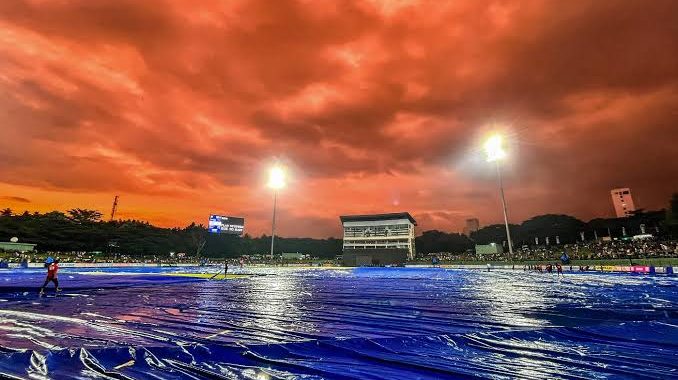
Rain Ruins Highly Anticipated Third ODI in Kingston as West Indies and Sri Lanka Share Frustrating No Result
Kingston, Jamaica, turned into a scene of deep disappointment on Tuesday, June 9, 2026, as persistent heavy rain washed away any chance of play in the third One Day International between the West Indies and Sri Lanka. The day night fixture at Sabina Park, which had promised fireworks under the lights with two competitive sides ready to battle it out, was officially abandoned without a single ball being bowled. Umpires consulted with match officials throughout the afternoon and evening, but the unrelenting downpour left no room for optimism. For fans who had filled the stands hoping for a thrilling contest in the ongoing series, it was a bitter pill to swallow.
This abandonment comes at a crucial juncture in what has been an engaging bilateral series. The West Indies and Sri Lanka had split the first two matches, setting up this encounter as a potential turning point. With the series delicately poised, cricket enthusiasts from both nations were eager to see how the teams would adapt to conditions in the Caribbean. Instead, nature had the final say, reminding everyone once again of the unpredictable elements that make outdoor sports such a challenge in tropical climates.
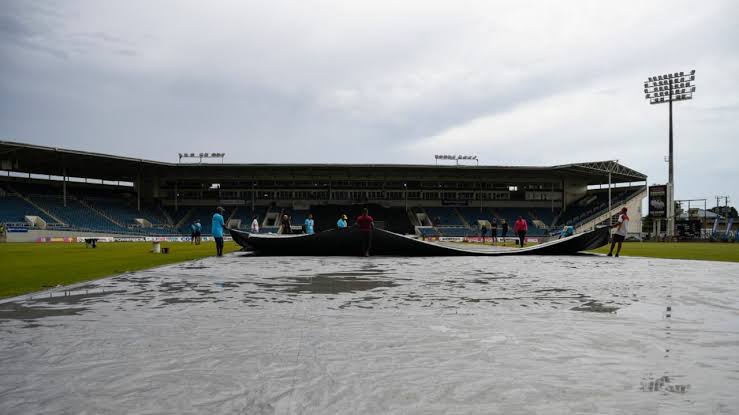
The build up to this match had been electric. Sabina Park, with its rich history of hosting memorable cricket encounters, was dressed for the occasion. The floodlights were tested and ready, the pitch prepared with care by the ground staff, and the atmosphere hummed with anticipation. Local supporters, decked in the maroon of the West Indies, mingled with Sri Lankan fans waving their island flags. Ticket sales had been strong, reflecting the growing interest in this tour. Yet by mid afternoon, dark clouds began to gather ominously over the Jamaican capital, and soon the rain arrived in sheets, turning the outfield into a soggy mess.
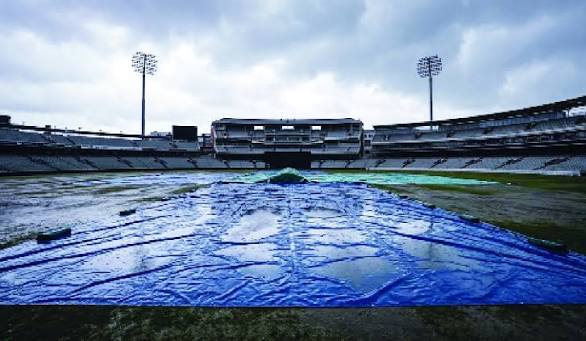
Ground crews worked tirelessly, covering the pitch and rolling out drainage systems, but the volume of rainfall proved too much. By the time the official inspection was called off around seven in the evening local time, it was clear that even a shortened game was impossible. The match referee had no choice but to declare the fixture abandoned. In cricket terms, this meant no points were awarded in the series standings, keeping things level as the teams head into the remaining fixtures.
For the West Indies, this was a missed opportunity to capitalize on home advantage. The Caribbean side has shown flashes of brilliance in the earlier games, with their explosive batting lineup looking dangerous. Captain Rovman Powell and his men had prepared meticulously for this series, focusing on improving their middle order stability and death bowling variations. Key players like Shai Hope, whose elegant strokeplay has been a hallmark of their recent successes, and the power hitters such as Nicholas Pooran and Shimron Hetmyer, were itching to get going under the lights. The abandonment denies them the chance to press home an advantage in front of a passionate home crowd.
Sri Lanka, on the other hand, arrived in the Caribbean with renewed confidence following some strong performances in recent months. Led by Charith Asalanka, the visitors have blended youth and experience effectively. Their spin department, anchored by the likes of Wanindu Hasaranga and Maheesh Theekshana, poses a significant threat on any surface that offers even a hint of grip. Batters such as Pathum Nissanka and Kusal Mendis have been in solid form, providing the foundation for big totals. The rain interruption must have been particularly galling for them, as they looked forward to testing their skills against the West Indies pace attack in humid conditions.
This is not the first time weather has played spoilsport in West Indies Sri Lanka encounters. Historically, the two teams have produced some classic battles, but rain has often intruded at inopportune moments. One recalls the 2018 series where similar issues affected fixtures, leading to truncated games and revised targets. Cricket administrators have invested heavily in better drainage and covers over the years, yet in places like Kingston, where tropical storms can develop quickly, complete prevention remains elusive.
Reflecting on the broader tour context, this abandonment highlights the logistical and emotional toll on touring teams. Sri Lanka had traveled far, adapting to different time zones, pitches, and climates. Their support staff, including physiotherapists and analysts, had worked around the clock to keep the squad fresh. For the home side, the frustration is compounded by the need to maintain momentum ahead of future international commitments. Both teams now look ahead to the fourth ODI, hoping for clearer skies and a full contest.
Fan reactions poured in immediately after the announcement. On social media, supporters expressed their dismay. One Jamaican enthusiast wrote that he had driven three hours with his family only to see the covers stay on. Sri Lankan followers echoed similar sentiments, lamenting the lack of cricket action despite the hype. Organizers quickly announced partial refunds and encouraged fans to retain tickets for upcoming matches, but the immediate buzz was replaced by quiet resignation.
From a tactical perspective, both captains would have approached this game differently. West Indies might have opted to bat first if they won the toss, aiming to set a challenging total using the dew factor in the second innings. Their bowlers, led by the experienced Alzarri Joseph and the emerging talents in the pace department, would have targeted early breakthroughs under lights. Sri Lanka, known for their adaptability, could have relied on their spin options to restrict scoring rates and build pressure through consistent line and length.
Delving deeper into team compositions, the West Indies squad for the series features a mix of seasoned campaigners and exciting newcomers. Powell has fostered a positive dressing room environment, emphasizing aggressive intent balanced with smart cricket. Hope continues to be the anchor, his ODI average a testament to his reliability at the top. Pooran brings flair and innovation with the bat, often turning matches with his innovative shots. The bowling unit has been bolstered by the return of some key figures, adding variety with seam and spin options.
Sri Lanka’s setup showcases their depth. Asalanka leads with composure, while the middle order boasts players capable of accelerating when needed. The pace attack, including Dilshan Madushanka, offers swing and bounce suited to Caribbean conditions. Their fielding has improved markedly, with sharp catches and run outs becoming weapons in their arsenal. This tour represents an important phase in their rebuilding process after some inconsistent results in previous years.
The venue itself, Sabina Park, carries significant legacy. It has witnessed legendary performances, from Brian Laras monumental knocks to thrilling limited overs clashes. The ground’s proximity to the sea often brings in moisture laden winds, contributing to the weather uncertainties seen on this day. Groundsmen here are among the best, but even their expertise could not overcome the elements this time.
Analyzing the impact on ICC rankings and future prospects, this no result does little to shift the balance dramatically. However, it adds pressure on the remaining games. A full series victory for either side would boost morale heading into major tournaments. For West Indies, success at home strengthens their standing in the region. For Sri Lanka, positive results away from Asia enhance their reputation as a resilient traveling unit.
Experts and commentators shared their thoughts post abandonment. Former West Indies all rounder and analyst praised the preparation but noted that climate change is making such interruptions more frequent across global cricket. A Sri Lankan coaching staff member mentioned that the team used the downtime for strategy sessions and recovery, turning a negative into a minor positive. Such resilience defines professional sport.
Looking back at the series so far, the first ODI saw West Indies edge out a close victory thanks to a late surge in their batting. Sri Lanka responded strongly in the second, with a comprehensive display of batting and bowling depth that leveled the scores. This third game was expected to showcase the best of both, perhaps featuring high scoring or a tense chase. Instead, spectators were left with memories of rain soaked seats and idle players warming up in the nets under shelter.
The human element in these situations often goes underappreciated. Players train for months, fans save for tickets, broadcasters prepare extensive coverage, and sponsors invest significantly. When rain intervenes, it affects everyone. Yet cricket has a way of bouncing back. History shows that memorable matches often follow disappointing ones, as teams channel frustration into determination.
In terms of individual player spotlights, one cannot overlook the contributions of emerging talents. For West Indies, young batters are pushing for spots, bringing energy and new techniques influenced by franchise cricket. Sri Lanka has invested in their under 19 graduates, who have seamlessly transitioned into the senior setup. These stories of development add layers to the narrative of the tour.
Weather patterns in the Caribbean during this period are typically conducive to cricket, but anomalies occur. Meteorologists had flagged the possibility of isolated showers, but the intensity surprised many. Discussions around better forecasting and contingency planning will likely follow, as cricket boards worldwide seek to minimize such occurrences.
As the tour progresses, both teams will regroup. West Indies will host training sessions focusing on skills that might have been deployed today. Sri Lanka will analyze any minor adjustments needed for their lineup. The spirit of competition remains intact, with players expressing eagerness for the next opportunity.
This abandonment, while disappointing, underscores the beauty and unpredictability of the game. Cricket is not just about runs and wickets but about shared experiences, community, and resilience. Fans in Kingston and back home in Colombo will remember this day not for cricket action but for the collective wait and hope that was ultimately unfulfilled.
In the larger scheme, the West Indies Sri Lanka rivalry has produced many highlights over decades. From World Cup clashes to bilateral thrillers, the contests have been marked by flair and competitiveness. Players from both sides have forged friendships across the boundary, enriching the sport. This rain affected chapter adds another anecdote to that storied history.
Looking forward, the fourth ODI promises redemption. Clearer forecasts suggest better conditions, and anticipation is already building. Teams will be sharper, fans more enthusiastic, and the cricket likely more intense to compensate for lost time. Until then, the focus shifts to recovery, reflection, and renewed preparation.
The match officials, including the umpires and referee, handled the situation with professionalism, communicating transparently with captains and media. Their role in maintaining the integrity of the game during such interruptions is vital, even if it means delivering unpopular decisions.
For the media contingent covering the tour, the day involved quick pivots to analysis pieces, player interviews from training, and historical recaps. Coverage highlighted the resilience of cricket fans who stayed until the end hoping for a miracle that never came.
Ultimately, days like this test the love for the game. True supporters understand that weather is beyond control, and they channel their passion into supporting their teams through thick and thin. As the sun sets on this rain lashed evening in Kingston, thoughts turn to brighter days ahead on the cricket field.
The series continues with renewed hope. Both West Indies and Sri Lanka have the talent and temperament to deliver exciting cricket in the matches to come. This abandoned third ODI will fade into memory, but the lessons and the anticipation for future encounters will endure. Cricket lovers everywhere will be watching closely as the battle resumes, eager for the contest that was denied today.
