
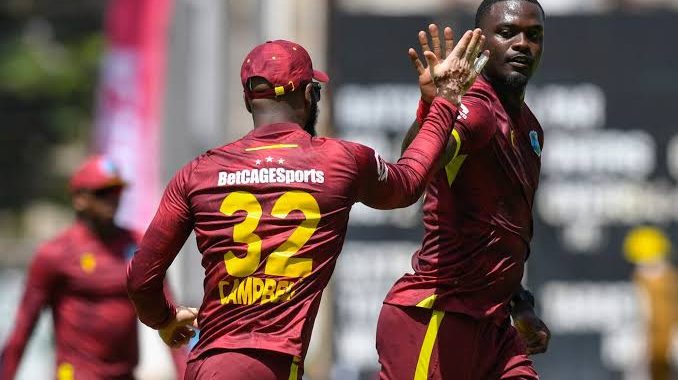
Sri Lanka pulled off a commanding 37-run victory over West Indies in the second T20 International under the lights at Sabina Park in Kingston on Sunday, June 14, 2026
The tourists, who had lost the opening match of the series by a narrow margin, bounced back strongly to level the three-game rubber at one apiece. Chasing a target of 198, West Indies could only manage 160 in their 20 overs, falling short despite some spirited late hitting from their lower order.
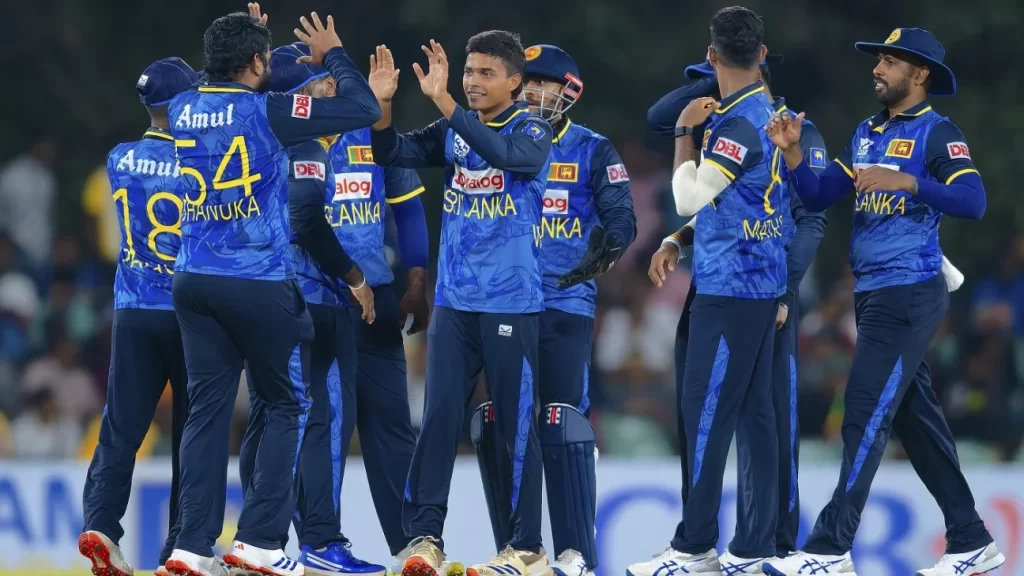
The win was built on a disciplined team effort from Sri Lanka, who posted 197 for six after winning the toss and electing to bat first. Their innings was anchored by a fluent half-century from captain Charith Asalanka, while Wanindu Hasaranga and Maheesh Theekshana wreaked havoc with the ball, sharing six wickets between them. For West Indies, Rovman Powell top-scored with 42 off 28 balls, but the home side struggled to build meaningful partnerships against Sri Lanka’s varied spin attack.
The atmosphere at Sabina Park was electric from the moment the players walked out. A healthy crowd had turned up despite the threat of scattered showers earlier in the day, and the Jamaican fans were in full voice, hoping for a West Indies fightback after the disappointment of the first game. The pitch looked a touch on the slower side, with some grip for the spinners, which played right into Sri Lanka’s hands given their strength in the middle overs.
Sri Lanka’s openers got off to a cautious start. Pathum Nissanka and Kusal Mendis added 38 runs in the powerplay, but both fell in quick succession to Akeal Hosein and Gudakesh Motie. Nissanka, who had looked in good touch, was caught at mid-wicket for 22, while Mendis edged one behind for 18. That brought Asalanka to the crease, and the left-hander immediately took control. He found an able ally in Kamindu Mendis, and the pair stitched together a crucial 72-run stand for the third wicket.
Asalanka reached his fifty off just 32 balls, punishing anything short with crisp pulls and cuts. His innings was a masterclass in T20 batting, blending aggression with smart rotation of strike. Kamindu Mendis contributed 31 before holing out to long-on, but by then Sri Lanka had crossed the 120-run mark with plenty of overs remaining. Dasun Shanaka and Ruvindu Gunasekara added some late fireworks, with Shanaka smashing two sixes in the 18th over off Romario Shepherd.
West Indies’ bowling was a mixed bag. Hosein was economical as usual, conceding just 22 runs in his four overs and taking two wickets. But the pacers, particularly Shepherd and Shamar Joseph, leaked runs at the death. Joseph, who had been impressive in the first match, went for 38 runs in his spell without a wicket this time around. Powell, leading the side in the absence of an injured Rovman wait no, Powell was captaining, tried to rotate his bowlers cleverly, but the Sri Lankan batters seemed to have an answer for most plans.
When West Indies came out to chase, the required rate of just under ten an over looked achievable on paper, but Sri Lanka’s bowlers made it look much harder. Theekshana opened the bowling with a maiden over, immediately putting pressure on the home openers. Kyle Mayers and Johnson Charles tried to accelerate, but Charles fell to Hasaranga in the third over, miscuing a googly to mid-off.
Mayers and Powell then attempted to rebuild. Mayers struck a couple of clean boundaries, but the introduction of spin slowed the momentum. Hasaranga was particularly effective, varying his pace and using the big boundaries to his advantage. He removed Mayers for 29 and then trapped Nicholas Pooran lbw for a golden duck, sending the crowd into stunned silence. At 68 for four in the ninth over, West Indies were in deep trouble.
Powell refused to give up. He launched a counterattack, clearing the ropes three times in quick succession against Theekshana and Jeffrey Vandersay. His 42 off 28 balls included four sixes and kept West Indies in the contest mathematically. But the required rate climbed steadily past 12 runs per over. When Powell was dismissed by a brilliant catch from Nissanka in the deep, the innings lost its spine.
The lower order, featuring Sherfane Rutherford, Andre Russell, and Shepherd, tried their best to manufacture a miracle. Russell smashed 28 off 14 balls, including two massive sixes that had the crowd on their feet, but it was too little too late. Hasaranga returned to bowl the 18th over and cleaned up the tail with two more wickets. Theekshana finished with three for 24, while Hasaranga claimed three for 28. Sri Lanka’s fielding was sharp throughout, with several key catches and some excellent ground fielding restricting the singles.
Post-match, Asalanka was understandably thrilled. In the presentation ceremony, he said, “This was a complete team performance. We knew the conditions would suit our spinners, and the boys executed the plans perfectly. Batting first gave us a good total, and then the bowlers did the rest. Credit to the way the youngsters stepped up.” He also praised the crowd for creating a great atmosphere despite the result going against the hosts.
Powell, gracious in defeat, noted that his side had not been clinical enough. “We lost too many wickets in the middle overs, which made the chase tough. Sri Lanka bowled really well, especially their spinners. We will have to come back stronger in the decider.” He highlighted the efforts of Russell and himself but admitted the batting collapse was the main reason for the loss.
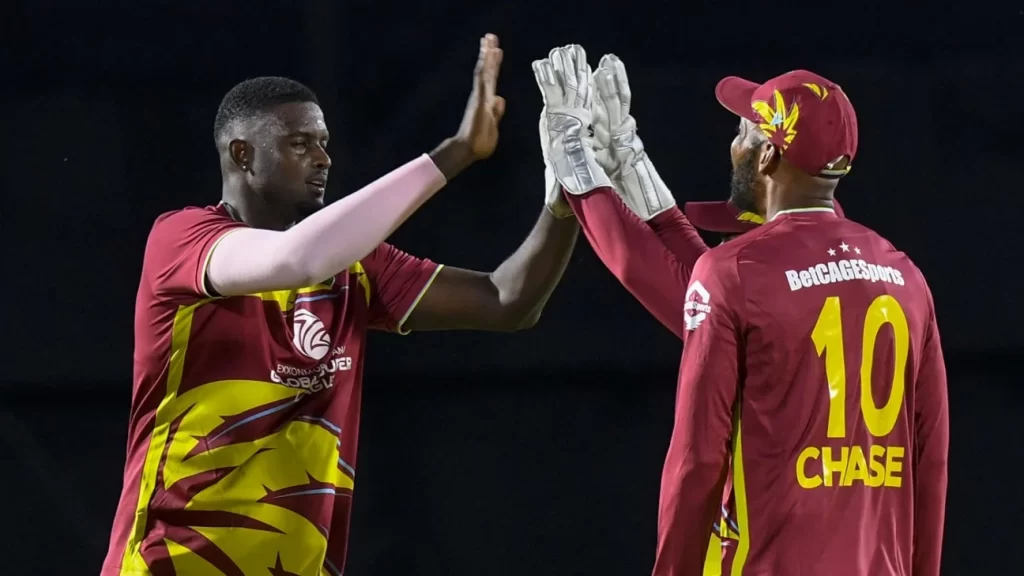
This victory for Sri Lanka was significant not just for leveling the series but also for boosting their confidence ahead of bigger challenges later in the year. The tourists have traditionally struggled in Caribbean conditions, but this performance showed maturity and adaptability. Their spin-heavy attack exploited the slow pitch beautifully, while the batting lineup showed depth.
Looking back at the match, several moments stood out. The dismissal of Pooran was a massive turning point. The left-hander is one of the most dangerous T20 batters in the world, and getting him out for zero without facing a ball from Hasaranga shifted the momentum decisively. Similarly, Asalanka’s fifty set the platform, allowing the finishers to play with freedom.
The weather played a minor role, with a brief delay at the start due to light rain, but the ground staff did an excellent job preparing the surface. The lights at Sabina Park were brilliant as usual, making it a perfect night for cricket. Fans were treated to some high-quality entertainment, even if the home team could not deliver the win.
From a tactical perspective, Sri Lanka’s decision to bat first paid dividends. In T20 cricket, especially in the Caribbean where dew can sometimes make chasing easier, opting to set a target requires confidence in your bowling attack. Asalanka and coach Sanath Jayasuriya got it spot on. West Indies, on the other hand, might reflect on their bowling changes. Bringing on Russell earlier or using more spin could have been options, but hindsight is always clearer.
Individual performances deserve deeper mention. Hasaranga’s all-round contribution was immense. Not only did he take three wickets, but his 18 runs down the order added crucial runs. Theekshana continues to be a thorn in the side of many batting lineups with his mystery spin. For West Indies, Rutherford showed glimpses of his power, but he needs to convert starts into bigger scores if the team is to challenge stronger sides consistently.
The series now heads to the third and final T20I, where the winner will take the trophy. With the score tied at 1-1, both teams will be under pressure. Sri Lanka will look to maintain their composure and exploit similar conditions, while West Indies will hope for a strong batting display from their star players like Pooran, Russell, and Powell.
This match also highlighted the growing depth in Sri Lankan white-ball cricket. Several young players have come into the side and performed admirably. Players like Kamindu Mendis and Gunasekara are proving they belong at this level. For West Indies, the challenge remains building consistent performances across formats, especially at home where expectations are always high.
Beyond the result, the game was a reminder of why T20 cricket is so popular. The ebb and flow, the big hits, the clever bowling variations, and the passionate crowds all combine to create unforgettable evenings. Even in defeat, West Indies fans stayed till the end, applauding both teams for their efforts.
As the players left the field, the Sri Lankan contingent was all smiles, posing for photos and celebrating with their support staff. For the visitors, this was more than just a win. It was a statement that they are ready to compete with the best in the shortest format.
In terms of series context, Sri Lanka now have the momentum. Their bowlers have found their rhythm, and the batters have shown they can handle pressure. West Indies will need to address their middle-order fragility quickly if they are to regain the upper hand in the decider.
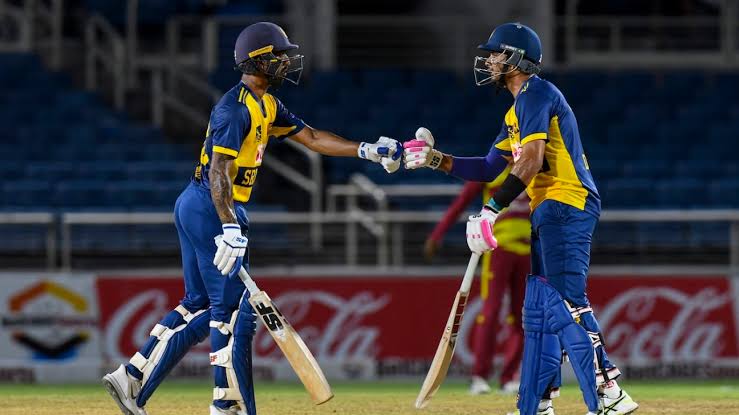
Stats from the match further underline Sri Lanka’s dominance. They hit 11 sixes compared to West Indies’ eight, and their dot ball percentage was lower in key phases. The economy rates of their spinners were exceptional, under seven runs per over combined for Hasaranga and Theekshana.
Fans following the tour will remember this game for the clinical way Sri Lanka dismantled a strong West Indies batting lineup. It was not a day for the home side’s big names to shine, but rather one where the visitors’ collective strength shone through.
As the series reaches its climax, cricket lovers around the world will be tuning in for what promises to be another thrilling encounter. Whether Sri Lanka can seal the series or West Indies can bounce back remains to be seen, but one thing is certain: both teams will leave everything on the field in pursuit of victory.
The 37-run margin might not sound massive in T20 terms, but it felt comprehensive given how the game unfolded. Sri Lanka controlled proceedings from the powerplay through to the death overs. Their planning and execution were superior, and that is what ultimately decided the outcome.
In conclusion, this second T20I belonged to Sri Lanka. They adapted better to the conditions, executed their skills with precision, and deserved the win. For West Indies, there are lessons to be learned, but also positives to take forward. The decider will be the ultimate test of character for both sides in this entertaining series.
