
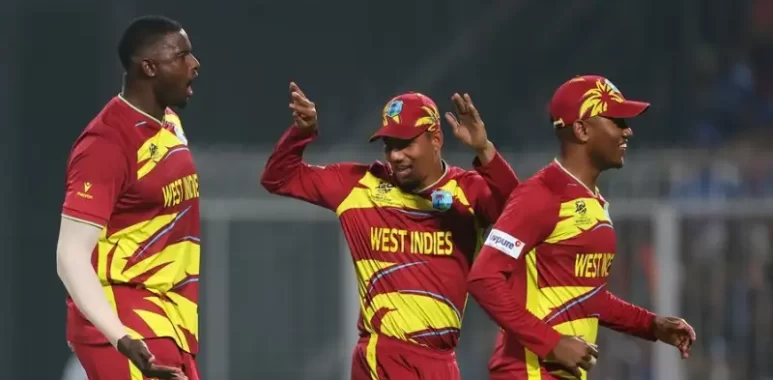
West Indies Secure Convincing Seven-Wicket Win Over Sri Lanka in First T20I Thriller at Sabina Park
West Indies clinched a thrilling victory in the opening T20 International against Sri Lanka at Sabina Park in Kingston, Jamaica, on Friday night. The home side chased down the target with seven wickets in hand and four balls to spare, setting an early tone in what promises to be a competitive three-match series. The crowd of nearly 20,000 at the historic venue was treated to an entertaining contest under the lights, with the Caribbean flair shining through in the decisive chase.
The match began with Sri Lanka winning the toss and electing to bat first on a pitch that offered a bit for the bowlers early on but flattened out as the evening progressed. Kusal Mendis, leading the visitors, would later reflect on the decision as a mixed one, noting that while the surface allowed for some stroke play, the West Indies bowlers executed their plans brilliantly in the middle overs. Sri Lanka posted a competitive 147 for 9 in their 20 overs, a total that looked defendable at the halfway stage but ultimately proved insufficient against an aggressive West Indies batting lineup.
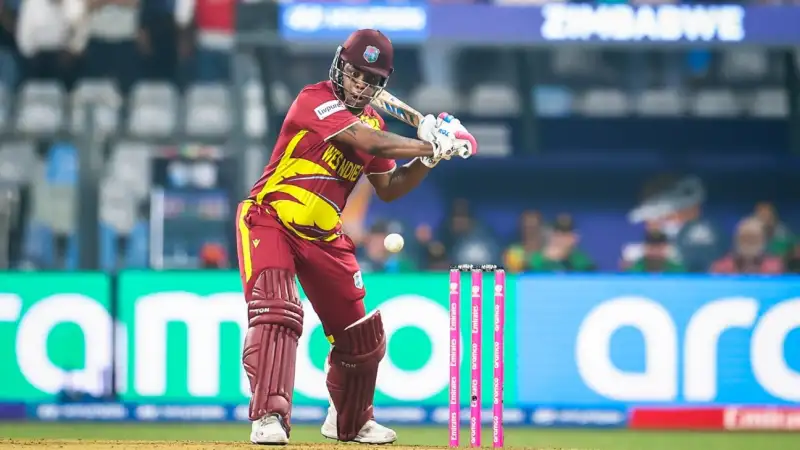
Sri Lanka’s innings was a tale of starts and stops. Opener Pathum Nissanka got off to a brisk beginning, finding the boundaries with ease in the powerplay. He struck a couple of elegant drives and a lofted six over midwicket before falling to a sharp delivery from Jason Holder. The tall all-rounder, bowling with the new ball, used his height and variations to trouble the batters throughout. Holder would finish with impressive figures, claiming key wickets at crucial junctures.
Following Nissanka, Kusal Mendis and Kamindu Mendis tried to stabilize the innings. They rotated the strike well and picked off the occasional loose delivery, but the introduction of spin in the form of Gudakesh Motie and Akeal Hosein slowed the scoring rate. Motie, in particular, was economical and picked up a couple of wickets, including that of Kamindu, who was deceived by a flighted delivery that turned just enough to take the edge. Dasun Shanaka, coming in at a crucial juncture, played with his characteristic aggression, smashing a quickfire 30-odd runs that included some powerful hits down the ground. However, the lower order struggled to accelerate against the disciplined West Indies attack, which varied their lengths and used the short boundary intelligently.
Romario Shepherd and Shamar Joseph provided the finishing touches with the ball, taking wickets in the death overs and restricting Sri Lanka from reaching the 160-plus mark that they might have targeted. Joseph, with his raw pace, troubled the batters with bouncers, while Shepherd mixed yorkers and slower balls to good effect. The Sri Lankan innings ended with a flurry of wickets, leaving them just short of a total that could have put more pressure on the hosts.
As the innings break approached, the atmosphere in the stadium was electric. Fans waved flags and chanted for their heroes, sensing that the home side had the momentum. West Indies captain Shai Hope, who has been in fine form across formats, spoke to his team about staying composed in the chase. The target of 148 was challenging but well within reach on a ground where chasing has often been successful in T20 cricket.
The West Indies chase got off to a solid start with openers Brandon King and Johnson Charles taking on the Sri Lankan new-ball bowlers. King, known for his aggressive intent, dispatched the first over for a boundary and continued to find gaps. Charles complemented him with some deft touches and powerful pulls. However, Sri Lanka struck back when Wanindu Hasaranga, their premier spinner, removed Charles with a googly that spun sharply. The early wicket brought Rovman Powell to the crease, and the big-hitting middle-order batter wasted no time in settling in.
Powell and King built a crucial partnership, adding over 50 runs together at a brisk pace. King’s innings was particularly noteworthy as he reached his half-century with a trademark six over long-on, delighting the Jamaican crowd that has always backed their players passionately. He fell shortly after for a well-made 65, but by then the foundation for victory had been laid. Shimron Hetmyer joined Powell and the duo accelerated the scoring, with Hetmyer playing some audacious shots, including a reverse sweep that sailed into the stands.
As the required run rate climbed slightly in the middle phase, Sri Lanka’s bowlers, led by Hasaranga and Maheesh Theekshana, tried to apply the brakes. Theekshana’s mystery spin created some tense moments, beating the bat on a few occasions and forcing the batters to rethink their approach. But Powell remained unfazed, anchoring the innings with calculated risks. His ability to clear the ropes at will turned the momentum firmly in West Indies’ favor.
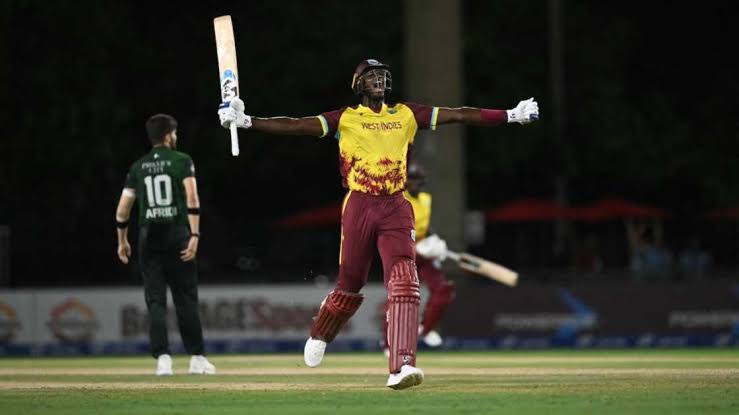
Jason Holder, coming in lower down the order, provided the finishing impetus. Known more for his bowling, Holder showed his all-round credentials with some lusty blows that sealed the deal. With four balls remaining, he smashed the winning runs, triggering wild celebrations in the West Indies dugout and among the spectators. The final score read West Indies 149 for 3 in 19.2 overs, a comprehensive victory by seven wickets that highlighted their depth and adaptability in the shortest format.
This win was built on balanced performances across the board. Jason Holder was rightfully named Player of the Match for his contributions with both bat and ball. His spell with the new ball set the tone, and his late cameo in the chase proved decisive. Holder spoke after the match about the importance of team unity, saying the group had worked hard in training to prepare for these high-pressure situations. Shai Hope, in his captaincy debut for this series or at least in this context, praised the bowlers for restricting Sri Lanka and the top order for giving the chase a flying start.
For Sri Lanka, the defeat highlighted areas for improvement, particularly in their death bowling and the inability to build substantial partnerships. Kusal Mendis acknowledged that the powerplay had been costly, with early wickets hampering their momentum. Dasun Shanaka’s efforts provided a glimmer of hope, but the visitors will need to regroup quickly for the second T20I. Players like Pathum Nissanka and Wanindu Hasaranga will be key to their resurgence, as Sri Lanka looks to level the series.
Looking back at the broader context, this encounter fits into a rich history between these two sides. West Indies and Sri Lanka have produced some memorable T20 battles over the years, from World Cup clashes to bilateral series filled with drama. Sabina Park, with its passionate crowds and lively pitch, has often favored the home team in limited-overs cricket. The ground’s dimensions, with shorter boundaries on one side, encourage big hitting, which both teams attempted to exploit.
Pre-match expectations were high, with analysts predicting a close contest given Sri Lanka’s spin-heavy attack and West Indies’ explosive batting. The Caribbean side entered the series on the back of strong performances in domestic T20 leagues and recent international outings, while Sri Lanka brought a mix of experience and youth following their preparations in the lead-up. The inclusion of younger talents like Jewel Andrew and Ackeem Auguste in the West Indies setup added an element of unpredictability and long-term promise.
The match itself unfolded with tactical nuances that cricket enthusiasts appreciate. West Indies’ use of pace variations and spin in tandem disrupted Sri Lanka’s rhythm. Motie’s economy was vital in the middle overs, preventing big overs that could have shifted the game. On the batting side, the hosts’ ability to rotate strike and target specific bowlers demonstrated smart game management. Powell’s composure under pressure, especially after the fall of the first wicket, was a masterclass in T20 chasing.
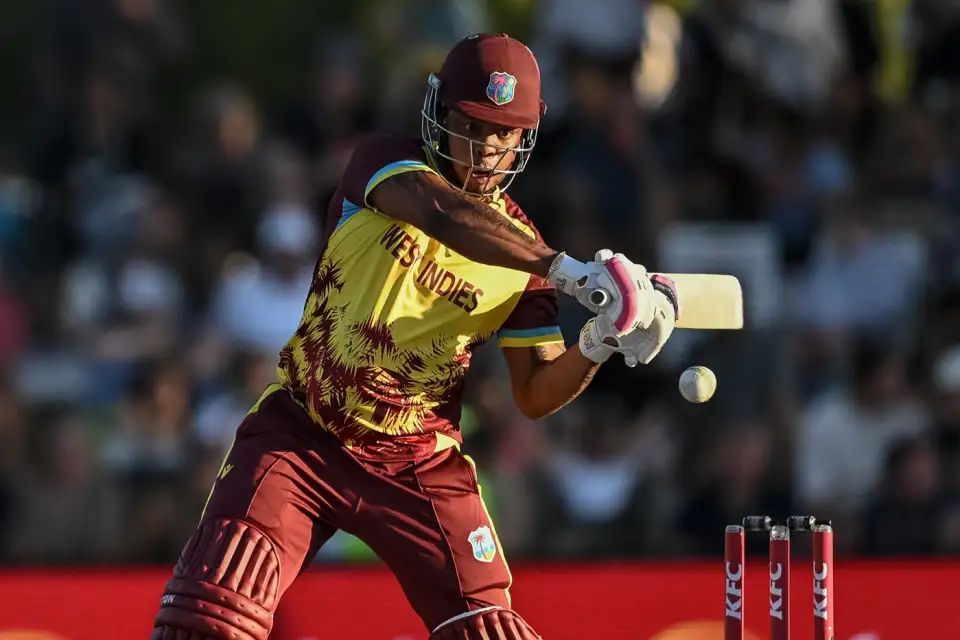
Beyond the on-field action, the cultural vibrancy of Kingston added to the spectacle. Local music blared during intervals, and the energy from the stands never dipped. Families, friends, and cricket lovers from across Jamaica turned out in large numbers, turning Sabina Park into a cauldron of support. Such atmospheres often lift the home team, and West Indies fed off that energy to produce a clinical performance.
As the series progresses, this result gives West Indies the upper hand and confidence heading into the next match. They will aim to maintain their winning momentum, perhaps experimenting with combinations while keeping the core intact. Sri Lanka, on the other hand, faces the challenge of bouncing back. Their coaching staff will likely focus on fine-tuning the batting order and improving execution in the powerplay and death phases.
Individual player spotlights deserve mention to fully capture the essence of this contest. Brandon King’s fluent 65 set the platform, blending timing and power in equal measure. His footwork against spin was impressive, and he punished anything short or wide. Rovman Powell’s contribution cannot be overstated; his innings stabilized the middle order and kept the scoreboard ticking. For Sri Lanka, Kamindu Mendis showed glimpses of his class with patient accumulation, while Shanaka’s cameo reminded everyone of his big-game temperament.
Bowling-wise, Holder’s figures stood out, but the collective effort from Shepherd, Joseph, and the spinners was equally important. They adapted to the conditions, reading the pitch and the batters’ intentions effectively. Sri Lanka’s spinners posed questions but lacked the support from the seamers to create consistent pressure.
In the wider scheme of T20 cricket, this match underscores evolving strategies. Teams are increasingly relying on all-rounders like Holder who can contribute in multiple departments. Data analytics play a bigger role too, with captains using insights on matchups to set fields and choose bowling orders. West Indies seemed well-prepared in this regard, outthinking their opponents at key moments.
Fans and pundits alike will remember this game for its entertainment value. From early breakthroughs to explosive batting, it had all the ingredients of a classic T20 encounter. The victory by seven wickets with balls to spare highlights West Indies’ dominance in the chase, a department where they have historically excelled.
As the players cool down and reflect, attention turns to the second T20I. Will Sri Lanka mount a comeback with adjustments in their lineup? Can West Indies seal the series early with another strong showing? The answers will come soon enough on the same venue or the next one in the itinerary. For now, the home side basks in the glow of a well-earned win, boosting morale ahead of what could be an exciting summer of cricket in the Caribbean.
Delving deeper into the tactical battle, one cannot ignore the role of fielding. West Indies were sharp in the field, with several athletic stops and a couple of brilliant catches that restricted Sri Lanka’s scoring. Dropped chances were minimal, a testament to their preparation. Sri Lanka, conversely, had moments of sloppiness that cost them valuable runs, especially in the latter stages of the West Indies innings.
The weather in Kingston was perfect for cricket, with clear skies and a gentle breeze that aided swing early on. The pitch offered grip for spinners as the game wore on, which both teams utilized. Umpires had a relatively straightforward evening, with technology aiding fair decisions on close calls.
Post-match interviews captured the emotions vividly. Hope emphasized the importance of starting the series well, crediting the entire squad for their commitment. Mendis, though disappointed, remained optimistic about his team’s potential, pointing to positives in the batting display. Holder, humble in victory, dedicated the award to his teammates and the fans who created an unforgettable atmosphere.
This result also has implications for broader rankings and preparations for upcoming tournaments. West Indies, always a dangerous side in T20, will gain valuable points, while Sri Lanka will look to improve their away record in the format. Young players on both sides gained invaluable experience, which bodes well for the future of their respective programs.
Expanding on the historical rivalry, matches between these nations have often been decided by small margins. From thrilling chases in the past to dramatic last-over finishes, the contests are rarely dull. This latest chapter adds to that legacy, with West Indies asserting authority on home soil.
In terms of crowd engagement, the Jamaican public showed why they are among the most knowledgeable and passionate in the world. Chants of “West Indies, West Indies” echoed long after the final ball, celebrating a night to remember. Local heroes like Holder and King received special cheers, reinforcing the deep connection between team and supporters.
Analyzing the statistics from the game, West Indies’ run rate in the chase was steady, accelerating when needed. Sri Lanka’s economy rates for bowlers like Hasaranga were decent, but the lack of wickets in the middle phase hurt them. Extras conceded were low on both sides, indicating disciplined bowling.
Looking ahead, the series offers opportunities for breakout performances. Players like Shamar Springer and others in the extended squad might get chances if rotations occur. For Sri Lanka, strengthening their middle order will be a priority to avoid collapses.
Overall, this first T20I was a showcase of why T20 cricket captivates audiences globally. Skill, strategy, athleticism, and raw talent combined to produce a memorable spectacle. West Indies deserved the win for their superior execution, but Sri Lanka remains a formidable opponent capable of turning things around.
As the sun sets on this chapter, cricket fans eagerly await the next installment. The Caribbean summer continues with promise, and both teams will strive for excellence in the remaining matches. Congratulations to West Indies on a fine victory, and best wishes to Sri Lanka for a strong response. The beautiful game endures, full of surprises and excellence.
