
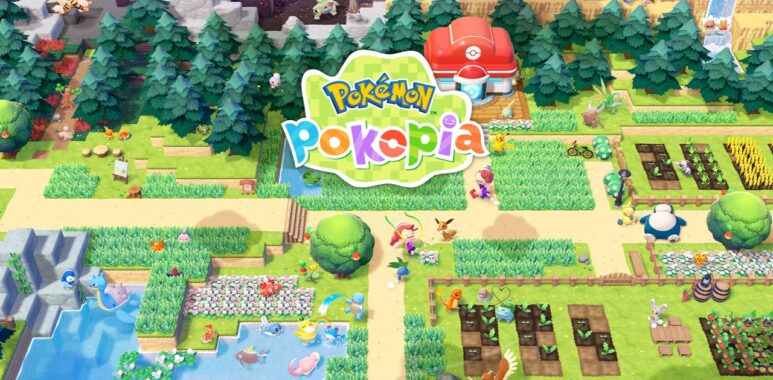
Pokémon Pokopia Review: Building Paradise One Blobby Transformation at a Time
Released today, March 5, 2026, exclusively on Nintendo Switch 2, Pokémon Pokopia is the surprise spin-off nobody saw coming but everyone needed. Co-developed by Game Freak and Koei Tecmo’s Omega Force (the team behind Dragon Quest Builders 2), this life-simulation gem trades turn-based battles for block-by-block world-building, cozy habitat crafting, and the pure joy of playing as a Ditto who thinks it’s human. After roughly 40 hours diving in at launch—exploring ruined Kanto landmarks, slurping up resources like a pink Kirby, and watching my Pokémon pals jam out on makeshift stages—I can confidently say this is one of the freshest, most heartfelt entries in the 30-year-old franchise. It’s Animal Crossing meets Minecraft with a heavy dose of Pokémon soul, and it might just be the Switch 2’s first true system seller.
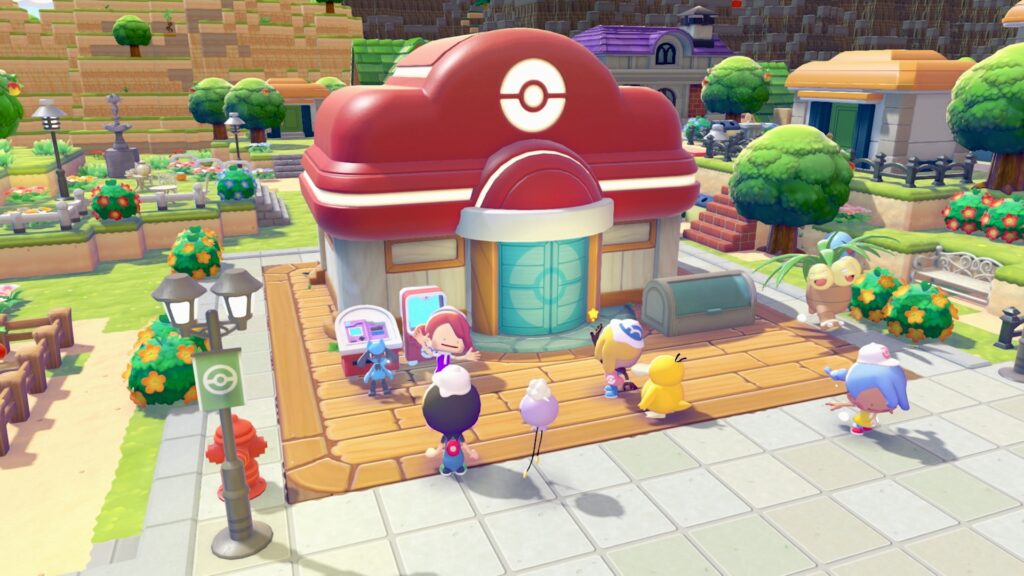
Let’s start with the premise, because it’s equal parts whimsical and surprisingly poignant. You awaken as a Ditto who has permanently transformed into a human shape—specifically mimicking your missing trainer. The world around you is a desolate, post-apocalyptic shell of the familiar Kanto region. Fuchsia City lies in rubble. Waterways are blocked. Pokémon Centers stand empty. A Tangrowth posing as a professor gives you your first mission: rebuild, attract the missing Pokémon back, and figure out what on earth happened. It’s WALL-E with pocket monsters. Environmental storytelling hits hard—finding faded posters in Viridian Forest or stumbling upon a half-buried Poké Ball in the ruins of Pallet Town delivers genuine gut-punches for longtime fans. Yet the tone never dips into grimdark. Every broken bridge you repair and every flower bed you plant feels like an act of healing. By the time the credits rolled, I had actual tears. This isn’t just a game about catching ‘em all; it’s about giving them a home worth returning to.
Gameplay centers on three interlocking pillars: exploration, transformation, and creation. You begin with basic punching and slurping mechanics—Ditto’s gooey arms extend to smash environmental blocks and vacuum up materials in one satisfying motion. As you befriend Pokémon, they teach you their moves, which you can transform into on the fly. Need to water a drought-stricken meadow? Turn into Squirtle and blast Water Gun. Want to clear thorny vines blocking a path? Become Bulbasaur and whip out Leafage. Later abilities like gliding on Dragonite wings or surfing on Lapras turn the entire map into a vertical playground. The transformation animations are pure delight—your human form sprouts shells, vines, or fins while retaining those signature Ditto dot-eyes and floppy arms. It never gets old watching your little pink blob awkwardly waddle as a Charmander.
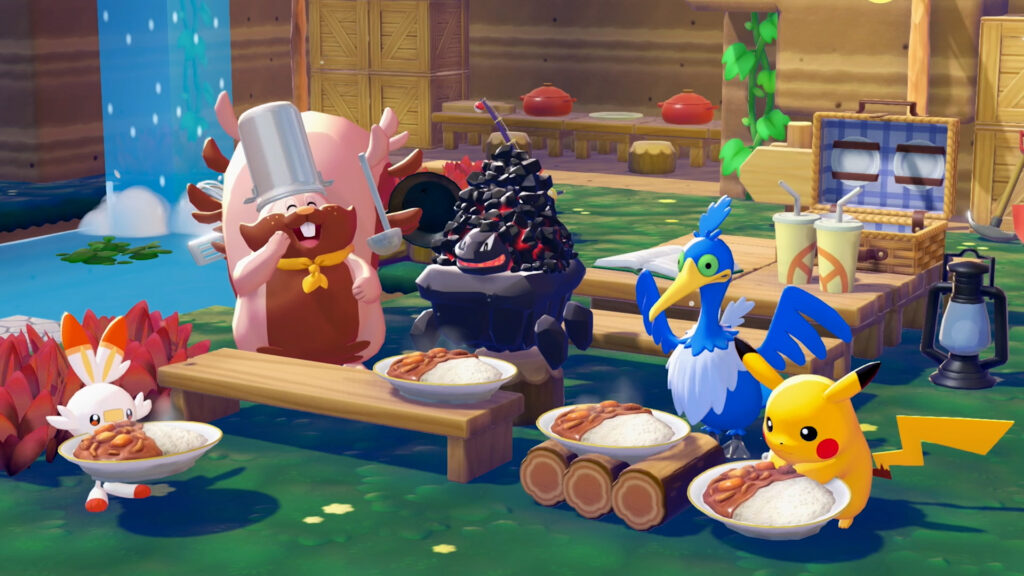
The real magic happens when you start building. Pokopia uses a cube-based system reminiscent of Minecraft but streamlined for comfort. Every rock, tree, and patch of dirt is breakable. You collect blocks, craft refined materials at workbenches (with helpful Pokémon speeding up the process), and stack them freely. Want a beachside villa for a squad of Squirtle? Build it. Need a fiery volcanic spa for Charmander and his friends? Stack magma blocks and add a campfire. Pokémon don’t just move in—they evaluate your work. Each species has specific preferences: larger beds for Snorlax, spicy food stations for fire-types, humidity controls for grass-types. Fulfill their requests (often delivered via adorable handwritten notes) and their “Comfort Level” rises. Happy Pokémon unlock new abilities, bring gifts, and even assign themselves jobs—Scyther chops wood automatically, Pawmo paints walls, Trubbish recycles waste into useful ingots.
The habitat system is where Pokopia shines brightest. Early on you’re placing basic nests in tall grass. By mid-game you’re terraforming entire biomes—raising cliffs with Rock Smash, flooding valleys with Surf, planting orchards that grow in real time. A day-night cycle synced loosely to real-world time adds rhythm: nocturnal Pokémon appear after sunset, construction projects finish overnight, and daily requests reset. It never feels grindy thanks to smart quality-of-life touches. Multiple furnaces can run simultaneously once upgraded. Storage boxes are plentiful (though scattered across regions—my one consistent frustration). And the post-credits content is generous: new recipes, rare materials, and an entire free-build “Palette Town” sandbox where the only limit is your imagination.
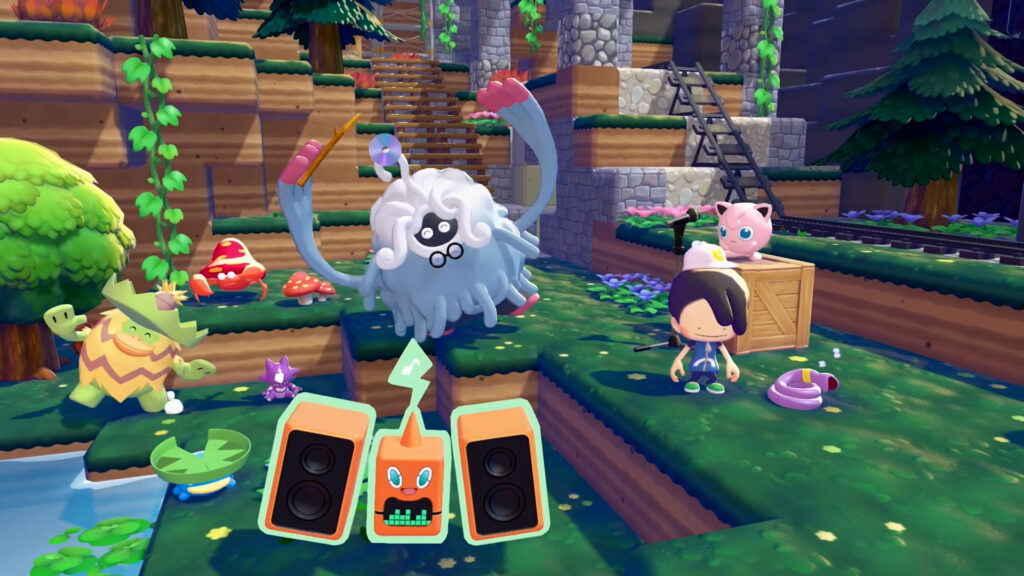
Pokémon themselves feel alive in a way the main series has rarely achieved. Over 80 species appear across nine generations, with spotlight on underappreciated favorites. You’ll spot Vespiquen tending flower fields, Rookidee chopping wood with its beak, or a whole band of Kricketot and Diglett improvising drum solos. Minigames abound—hide-and-seek that turns into Prop Hunt when they use Camouflage, trivia quizzes, or simple photo sessions. Raise affection high enough and they’ll follow you in groups of up to five, helping with exploration and combat-free puzzles. No random encounters, no battles—just pure, wholesome coexistence. The Pokédex tracks not just sightings but habitat preferences, affection milestones, and special interactions. Filling it feels meaningful because every new arrival visibly changes your world.
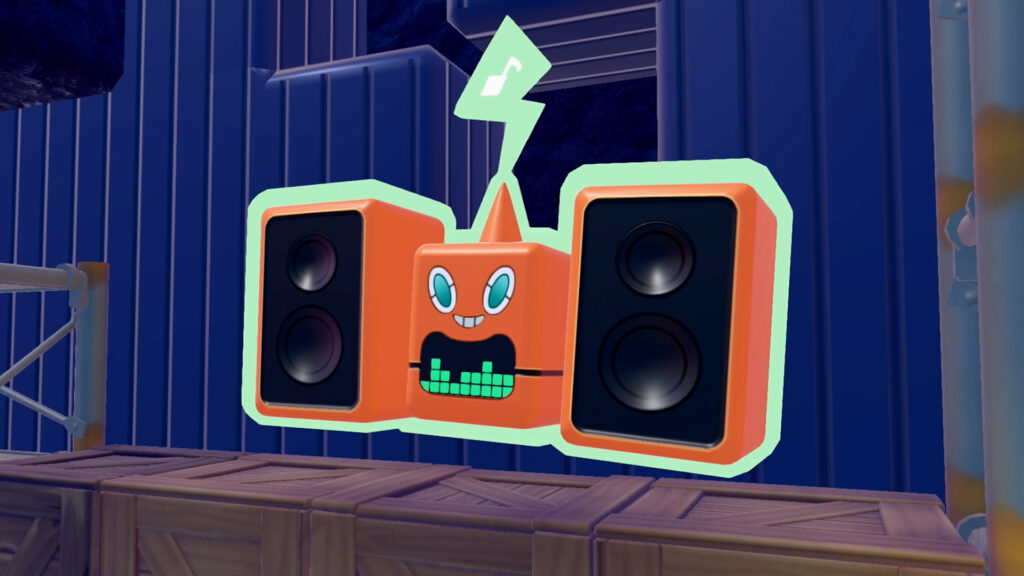
Performance on Switch 2 is rock-solid. The game runs at a consistent 60fps whether docked or handheld, even when my island was packed with dozens of Pokémon and elaborate multi-story builds. The art style is toy-like and vibrant—clean pastel palettes, expressive animations, and incredible attention to detail. Zoom in on a bench and you’ll see tiny wood grain. Watch a Ditto collapse into goo when idle and reform with a happy jiggle. The soundtrack is pure nostalgia: familiar Pokémon themes reorchestrated with acoustic guitars and soft synths for that cozy campfire vibe. When DJ Rotom spins tunes at your self-built concert hall, the music swells perfectly. Voice acting is minimal (mostly Pokémon cries and the occasional cheerful “Ditto!” from your own character), but the sound design sells the immersion—crunching blocks, splashing water, happy little heart effects when a Pokémon approves your decor.
Multiplayer support rounds out the package nicely. Up to four players can join via local or online play through “Cloud Island” sessions or the in-game Poké Life app. Friends can visit your paradise, help with big construction projects, trade resources, or compete in light-hearted challenges. It’s not the deep MMO experience some might crave, but it perfectly captures the “let’s build something together” energy that makes games like Animal Crossing special. A limited-time launch event starting March 10 adds even more cooperative flair—details are still emerging, but early teases suggest special guest Pokémon and shared building goals.
Comparisons are inevitable, and Pokopia wears its influences proudly while carving its own identity. It’s Animal Crossing: New Horizons with better progression and zero Tom Nook debt. It’s Dragon Quest Builders 2 but starring 800+ potential roommates instead of generic villagers. The block-building has Minecraft DNA, yet the focus on Pokémon needs over pure creativity keeps it grounded and purposeful. Unlike New Pokémon Snap or Detective Pikachu, where you’re an observer, here you’re an active participant in their ecosystem. The absence of battles might disappoint hardcore trainers at first, but after a few hours the combat-shaped hole in your heart fills with the dopamine rush of watching a previously barren cliff transform into a thriving Rookidee rookery.
Of course, no game is perfect. Storage management feels fragmented—boxes are region-locked, and fast-travel is generous but not instant. Early-game pacing can drag when story gates force you to wait a full in-game day for major builds to complete. Precision placement in tight spaces occasionally fights the camera, though the optional “Mouse Mode” on Switch 2 helps immensely. Some Pokémon dialogue loops after repeated interactions, and hunting specific helpers for resource chains can turn into aimless wandering until you learn the Pokédex summoning tricks. These are minor quibbles in a package this stuffed with content. Post-game unlocks—new tools, infinite resources, and expanded customization—erase most friction points anyway.
Pros:
- Incredibly charming Ditto protagonist and Pokémon interactions that feel genuinely alive.
- Deep, rewarding building and habitat systems with near-infinite creativity.
- Nostalgic yet fresh story that respects Kanto lore while telling something new.
- Flawless Switch 2 performance and cozy presentation.
- Generous post-game and multiplayer support.
Cons:
- Occasional storage and pacing frustrations.
- Building precision can be fiddly in cramped areas.
- Repetitive dialogue in the long run.
After 40 hours I’m nowhere near done. My Fuchsia City resort now hosts weekly concerts. A secret underground garden serves as a Mosslax sanctuary. I’ve rebuilt the entire Safari Zone into a multi-biome paradise and still haven’t maxed every Comfort Level. Pokémon Pokopia understands that the real joy of Pokémon was never just the battles—it was the wonder of discovery, the bond with your partners, and the dream of a world where humans and Pokémon thrive together. This game lets you build that world, block by adorable block.
If you own a Switch 2, this is an instant must-play. Pokémon fans will find new appreciation for old favorites. Cozy game lovers who’ve never touched a Poké Ball will fall head over heels. Even if you’re burned out on the main series formula, Pokopia feels like a love letter to what made the franchise magical in the first place. It’s not just the best Pokémon spin-off in years—it might be one of the best games of 2026, period.
Final Score: 9/10 “Gotta Build ‘Em All” never felt so satisfying. Go pre-order that Ditto rug bonus and start shaping your paradise today. The Pokémon are waiting.
