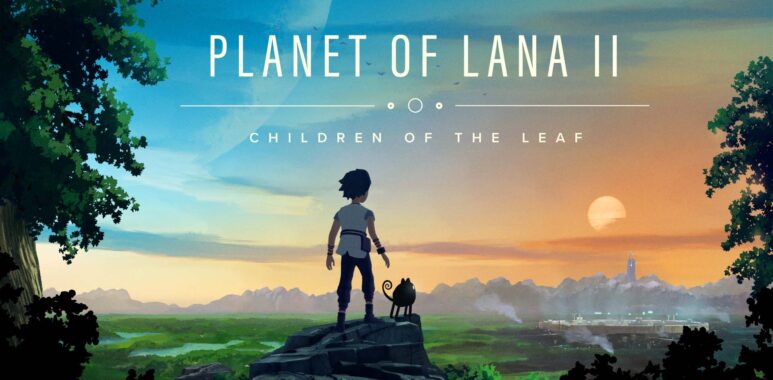
Planet of Lana II-Children of the Leaf Review: Where Nature and Tech Collide in Emotional Symphony
Released today, March 5, 2026, across PC, PS5/PS4, Xbox Series X/S/One, Nintendo Switch, and Switch 2—with day-one availability on Xbox Game Pass—Planet of Lana II: Children of the Leaf from Wishfully Studios and Thunderful Publishing is the sequel fans of the 2023 original have dreamed of. After sinking about 12 hours into it (main story plus collectibles and replays via chapter select), including multiple playthroughs on Switch 2 handheld and Xbox Series X docked, I can say this is not just an expansion—it’s a maturation. The first game was a breathtaking 5-hour poetic vignette; this doubles down to 6-8 hours of deeper lore, smarter puzzles, and a bond between Lana and her cat-like companion Mui that tugs at the soul like a Studio Ghibli film directed by Hideo Kojima’s quieter dreams. With a Metacritic of 81 and OpenCritic average of 82 labeling it “Strong,” it cements itself as an early 2026 standout.
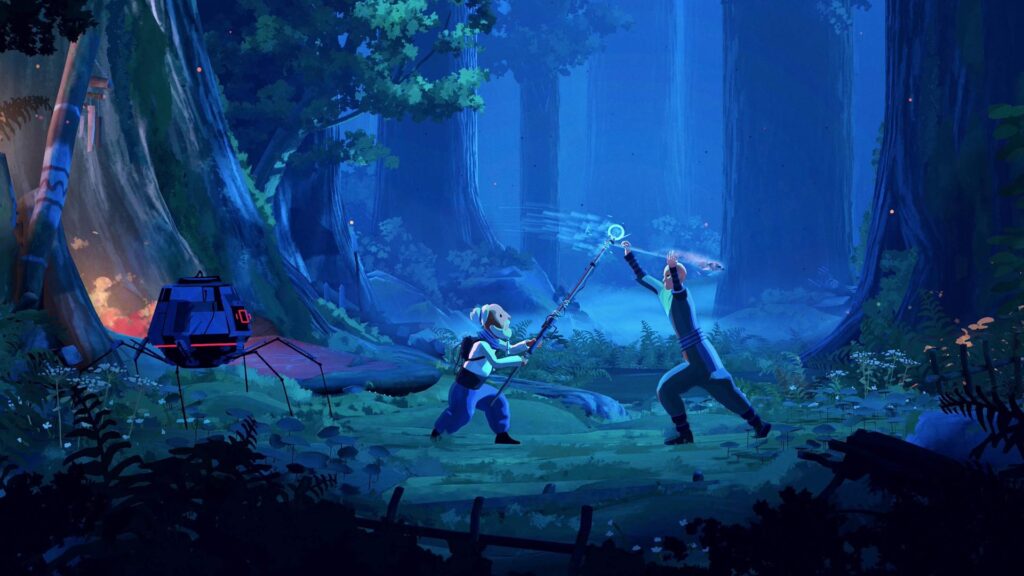
The premise picks up two years after Lana and Mui repelled the robotic invaders from their lush homeworld, Novo. Now a teenager, Lana is more agile and world-weary, living in a village embracing salvaged alien tech. But progress breeds division: tribes splinter over greed and power, nature recoils from mechanical scars, and a mysterious illness strikes close to home, pulling the duo into a globe-spanning odyssey across frozen peaks, abyssal oceans, thorny forests, and neon-veined ruins. No subtitles, no English—storytelling unfolds through an invented alien tongue (vocalized with emotive gurgles and cries), body language, environmental murals, and a orchestral score that swells like a living heartbeat. Uncover Mui’s origins, the planet’s ancient secrets, and the cost of “advancing” harmony. It’s Princess Mononoke meets Limbo, probing coexistence amid exploitation. Emotional highs crash into devastating lows, leaving me misty-eyed during quiet revelations and fist-pumping at triumphant set pieces. Critics rave about its maturity: “a measured yet intense sequel that expands rather than overturns.”
Gameplay remains a cinematic puzzle-platformer, but evolves brilliantly. You directly control Lana—her fluid animations now boast wall-jumps, momentum-based dashes, and precise climbs that make traversal a joy. Direct Mui independently via cursor (on PC/console) or touch (Switch), commanding the loyal blob to fetch items, distract foes, or— the star innovation—hypnotize local wildlife and bots for temporary powers. Early on, possess a fluffy critter to spew flammable silk, igniting thorny barriers. Later, hijack ink-spewing fish for underwater stealth, or drone-bugs to hack doors while Lana sneaks. Puzzles emphasize observation, timing, and synergy: split paths demand parallel actions, like Mui burning vines from afar while Lana swings across. No hand-holding—signage is subtle (glowing interactables, wind patterns), fostering “aha!” epiphanies. Stealth sections evade patrolling robots via shadows or hypnosis; chase sequences ramp urgency, outrunning gas clouds or collapsing ruins. Swimming adds verticality, with bubble trails and currents turning caves into labyrinths.
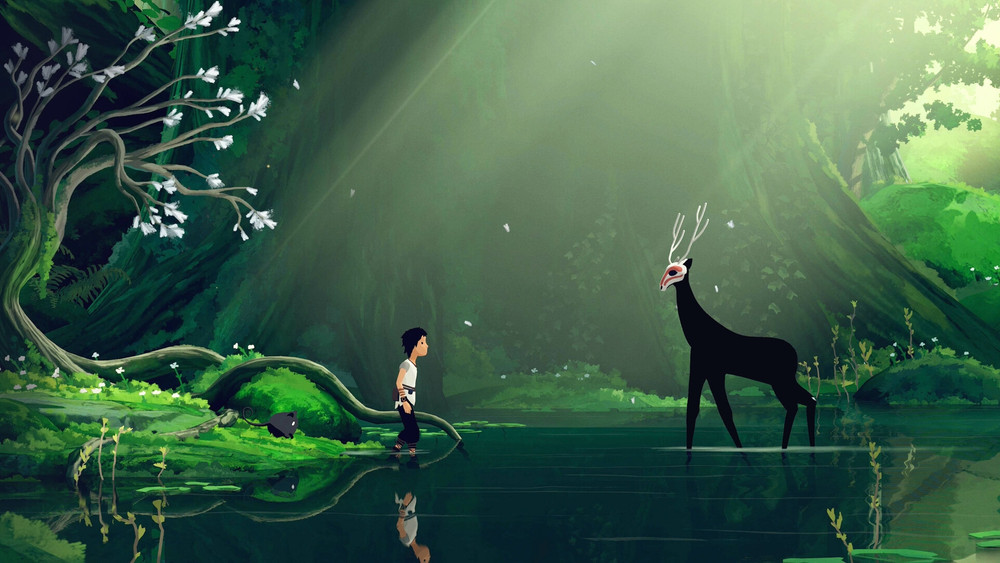
Exploration rewards curiosity: hidden nooks hide lore murals, pet-able critters boost affection (unlocking Mui tricks), and 25 collectibles (echoes of the past) encourage replays. Chapters (about 10-12) are selectable post-credits, with achievements for no-death runs or full petting. It’s never punishing—deaths respawn nearby, no checkpoints lost—but trial-and-error shines in multi-step brainteasers. Compared to the original’s simpler fetch-quests, this feels grander: biomes transition seamlessly, verticality explodes, and Mui’s agency elevates co-op vibes without multiplayer.
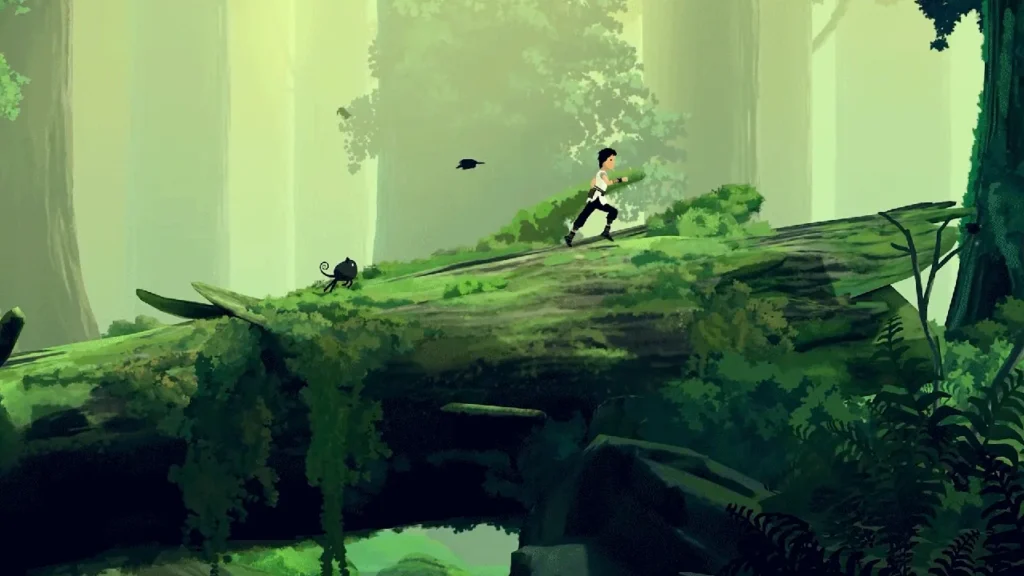
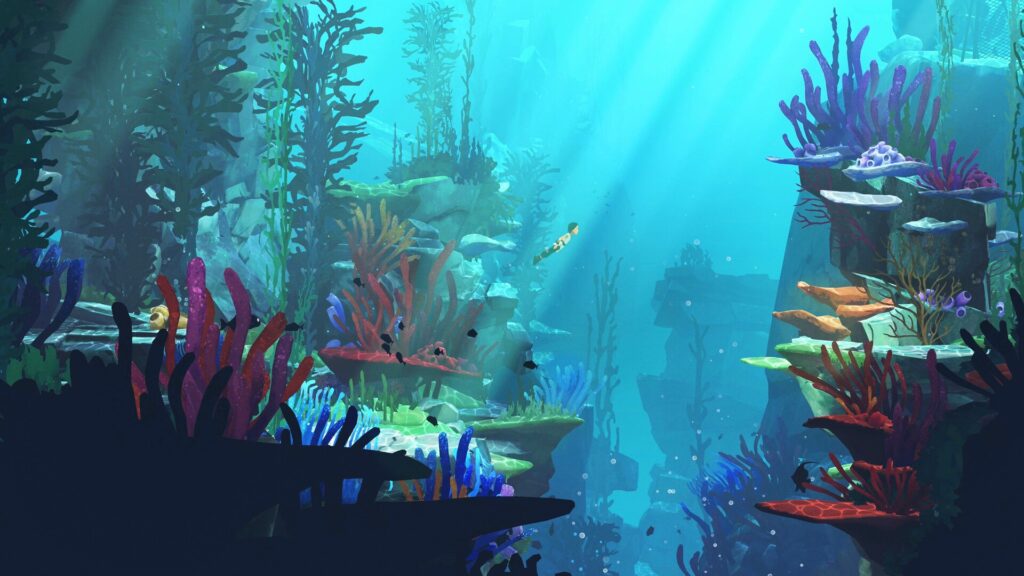
The hand-painted art is jaw-dropping, a pastel dream where verdant wilds clash with rusted mechs. Sunsets bathe cliffs in orange hues, underwater realms shimmer sapphire, forests pulse bioluminescent. Lana’s expressive twintails and Mui’s bouncy tail convey personality sans words—Mui’s whines break hearts during peril. Takeshi Furukawa’s score (Zelda: Tears of the Kingdom collaborator) is masterful: piano tinkles for calm, choral swells for drama, a five-note leitmotif evolving from whimsy to tragedy. Sound design pops—dripping caves, crackling flames, Mui’s purrs.
Performance is flawless. On Switch 2 handheld, 60fps locked, vibrant colors pop on the 8-inch screen (rarer dips in dense foliage, but imperceptible). Docked Xbox/PS5 hit 4K/120fps; PC (GTX 1060 recommended) scales beautifully. Minor bugs (Lana clipping geometry) noted in reviews, but my playthrough was patch-free smooth. Full controller support, including DualSense haptics for footsteps and vibes.
Post-game shines: chapter select for missed echoes (story fragments), no-grind NG+ lite via harder puzzles. Achievements (25 total) are fair—story auto-pops most, collectibles need hunts, petting per chapter is pure joy. No New Game+, but replayability hits 10-12 hours total.
Comparisons? The original was a gem, but short and repetitive; this doubles scope without bloat. Like Ori and the Blind Forest in beauty/mechanics, but cozier, less metroidvania. Inside/Limbo share silhouette style and wordless dread, but brighter. Ghibli parallels abound—nature’s revenge, tech hubris—yet sci-fi roots ground it. It’s the antidote to bloated open-worlds: tight, purposeful, replayable.
Pros:
- Stunning Ghibli-esque art and Furukawa’s transcendent score.
- Evolved puzzles blending observation, co-op, and fresh abilities.
- Emotional, lore-rich story told masterfully without words.
- Polished 6-8 hour adventure with replay value.
- Universal 60fps excellence, Game Pass day-one.
Cons:
- Occasional fiddly Mui positioning/timing.
- Subtle signposting leads to mild frustration.
- Short for completionists; yearns for DLC.
| Aspect | Original (2023) | Sequel (2026) |
|---|---|---|
| Length (Story) | ~5 hours | 6-8 hours |
| Puzzles | Basic co-op | Layered hypnosis/stealth |
| Biomes | Linear wilds | Frozen/ocean/ruins/urban |
| Score | 82 OC | 82 OC |
Planet of Lana II isn’t revolutionary—it’s refinement incarnate. Wishfully listened: bigger world, deeper Mui, varied challenges, without losing heart. In a year of bombast, this quiet masterpiece reminds us gaming’s power in evoking wonder, loss, hope. Play it. Pet Mui. Cry a little. Then wishlist part III.
Final Score: 9.5/10 A must for platformer fans; newcomers, start here—original optional but enhanced.