
NITRO GEN OMEGA Review – A Tactical Mech RPG With More Heart Than Steel
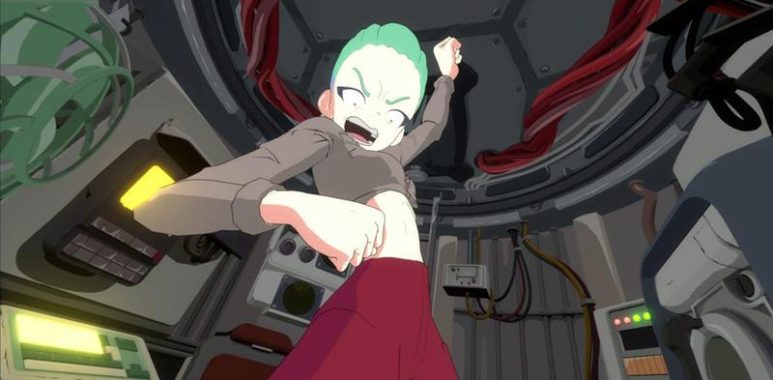
There’s a moment early in NITRO GEN OMEGA when your battered mech limps back to the airship after a brutal fight. One pilot is injured, another is furious because of an argument that happened before the mission, and your engineer is trying to hold together a machine that looks like it survived a meteor strike. Instead of immediately throwing you into another battle, the game slows down. Your crew eats together. They talk. Someone cracks a joke. Someone else quietly worries about the future.
That small moment says everything about what NITRO GEN OMEGA is trying to be.
At first glance, it looks like another stylish indie mech RPG with flashy anime combat and oversized explosions. The trailers lean heavily into that aesthetic too: giant robots, cinematic attacks, dramatic close-ups, and enough attitude to power an entire Saturday morning anime block. But once you spend several hours with it, you realize the game’s real strength isn’t the mech combat alone. It’s the people inside the machine.
Developed by DESTINYbit and officially released on May 12, 2026, after a lengthy Early Access period, NITRO GEN OMEGA arrives at a time when tactical RPGs are everywhere. The genre has become crowded with grid-based warfare, complicated statistics, and endless attempts to recreate the magic of classics from the past. Instead of chasing nostalgia directly, NITRO GEN OMEGA goes in a different direction. It blends tactical combat, open-world exploration, relationship management, and over-the-top anime presentation into something that feels genuinely distinct.
The result is messy at times. Occasionally overwhelming. Sometimes exhausting.
But it’s also one of the most memorable tactical RPGs released this year.
A World Already Lost
The game takes place in a post-apocalyptic future where humanity lost the war against machines long ago. Cities survive on giant elevated structures above the wastelands while rogue AI patrols the ruins below. You play as the commander of a mercenary crew trying to survive by taking contracts across the continent.
Thankfully, the game avoids drowning players in endless exposition dumps. Instead of opening with twenty minutes of lore explanations, NITRO GEN OMEGA slowly reveals its world through conversations, exploration, environmental storytelling, and crew interactions. It trusts players to piece together the setting naturally.
That restraint works in its favor.
There’s a melancholic atmosphere running underneath the game’s louder anime energy. Cities feel fragile. Characters talk like people who’ve adapted to constant danger. Everyone seems aware the world is dying, but they keep moving anyway because survival leaves little room for philosophical despair.
The tone shifts constantly, though, and surprisingly it usually works. One moment your pilots are discussing trauma and sacrifice. The next, somebody is arguing over dinner recipes or challenging another crew member to a ridiculous competition aboard the airship. That balance between heavy emotional stakes and absurd anime energy gives the game personality.
The developers describe the aesthetic as “spaghetti anime,” and honestly, that description fits perfectly.
The world feels inspired equally by classic mecha anime, western cinema, scrapyard futurism, and Italian design sensibilities. Mechs look aggressive and stylish without becoming generic military machines. Characters are expressive and exaggerated in a way modern RPGs often avoid. Everything feels handcrafted rather than procedurally assembled from familiar sci-fi templates.
It’s refreshing.
Combat That Feels Like Directing an Anime Episode
Combat is where NITRO GEN OMEGA immediately separates itself from most tactical RPGs.
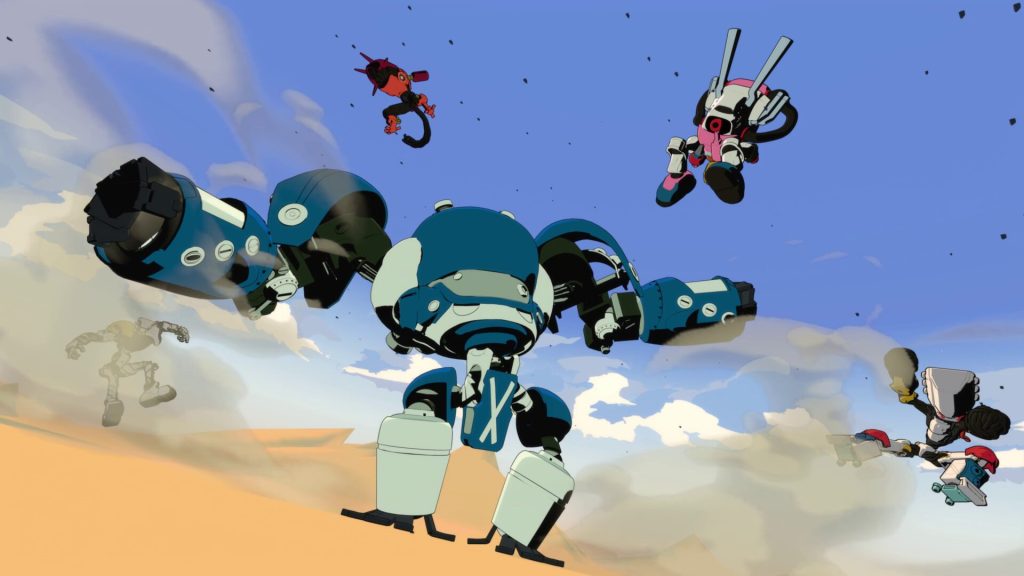
Instead of traditional grid-based movement, the game uses a timeline-driven battle system. Each member of your four-person mech crew controls a different subsystem. One handles movement. Another manages weapons. Someone else controls repairs, cooling systems, and support abilities. Actions are planned on a shared timeline before the battle phase resolves in cinematic fashion.
In practice, this creates battles that feel less like chess and more like choreographing a giant robot anime fight scene.
Every decision matters because actions interact dynamically. Maybe your driver positions the mech for a melee strike while your operator deploys smoke cover. Your gunner lines up a heavy cannon shot, but firing it risks overheating the mech unless your engineer cools systems in time. Meanwhile, enemies are planning their own timeline of actions simultaneously.
When everything works together, combat becomes spectacular.
Watching a carefully planned sequence unfold without interruption feels incredibly satisfying. The camera swings dramatically between attacks, impacts shake the battlefield, and even routine encounters feel cinematic. Unlike many strategy games where combat eventually becomes repetitive, NITRO GEN OMEGA constantly looks exciting.
More importantly, it remains strategically engaging.
The system initially feels intimidating because the game throws a lot at players quickly. Heat management, ammo conservation, morale systems, injuries, positioning, relationship bonuses, subsystem responsibilities — there’s a lot happening at once. During the first several hours, battles can feel overwhelming in a way that borders on frustrating.
But then something clicks.
Suddenly the chaos becomes rhythm. You stop reacting randomly and start thinking several turns ahead. You begin understanding how crew chemistry affects combat efficiency. You learn when to risk aggressive attacks and when to play defensively. Failures stop feeling unfair because the game gives you enough tools to improve.
That learning curve is demanding, but it makes mastery incredibly rewarding.
One of the smartest decisions the developers made was ensuring the combat system reflects the game’s themes. Your mech isn’t controlled by a single superhuman protagonist. It’s operated by a crew of flawed individuals trying to work together under pressure. When relationships aboard the airship improve, teamwork in battle improves too. When tensions rise, combat effectiveness can suffer.
It transforms battles from pure mechanical exercises into emotional encounters.
Your Crew Is the Real Main Character
The mech may be the centerpiece visually, but the crew is the soul of the game.
Between missions, you spend large portions of time aboard your airship interacting with pilots, managing morale, handling conflicts, cooking meals, upgrading systems, and watching relationships evolve. Some players expecting nonstop combat may find these slower sections excessive, but they’re arguably the game’s strongest feature.
The crew management system creates genuine attachment.
Pilots develop friendships, rivalries, romantic tensions, grudges, and insecurities over time. They remember events. They react differently depending on who survives battles and who doesn’t. Because many crew members are procedurally generated, every campaign develops unique interpersonal dynamics.
One player’s crew might become a tightly bonded family.
Another might devolve into constant dysfunction and resentment.
That unpredictability gives the game incredible replay value.
More importantly, it creates emotional stakes during combat. Losing a pilot isn’t just losing a combat unit. You lose a personality who existed within your evolving story. The game’s permadeath systems reinforce that tension constantly.
Some tactical RPGs try to force emotional attachment through scripted scenes alone. NITRO GEN OMEGA earns it through time investment and emergent storytelling.
You start caring because the game gives characters room to exist beyond battle statistics.
The writing itself deserves praise too. Dialogue feels natural most of the time, avoiding the overly theatrical exposition that hurts many anime-inspired games. Characters joke, complain, tease each other, and occasionally say genuinely insightful things without sounding like they’re reading lore documents aloud.
Not every interaction lands perfectly. Some conversations drag longer than necessary, and certain personalities lean heavily into familiar anime archetypes. But even weaker characters usually gain depth over time.
The game understands that emotional investment matters more than constant plot escalation.
An Open World That Encourages Wandering
Another surprise is how much freedom the game offers outside combat.
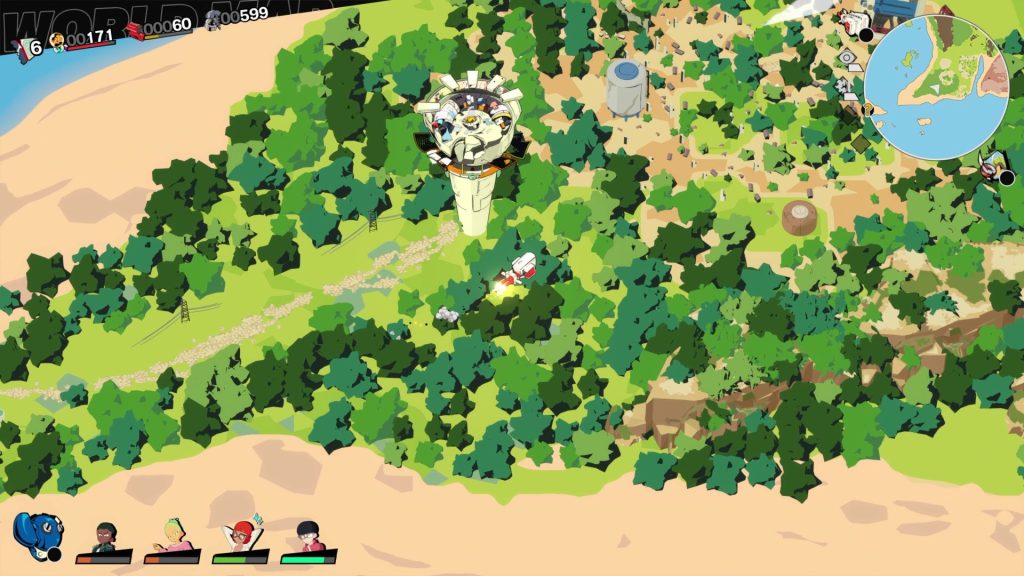
The wasteland map is massive, filled with settlements, contracts, random events, machine lairs, and optional discoveries. You travel aboard your airship, choosing where to go and how to build your crew’s reputation.
This structure could have easily become repetitive filler.
Instead, exploration consistently feels rewarding because the world contains enough unpredictability to stay engaging. You might discover valuable mech components, encounter desperate survivors, uncover strange machine behavior, or trigger crew-specific story moments while traveling.
The pacing benefits enormously from this openness.
After particularly intense battles, simply flying across the wasteland while talking with your crew feels strangely relaxing. The game understands the importance of downtime. It gives players moments to breathe before the next crisis appears.
There’s also a satisfying scavenger mentality to progression. Resources matter. Fuel matters. Repairs matter. Every successful contract feels meaningful because survival depends on constant maintenance and smart decision-making.
The open-world structure also supports experimentation with different crew compositions and mech builds. Some players will prioritize mobility and aggressive combat. Others may build heavily armored defensive machines focused on endurance.
Customization options are extensive without becoming incomprehensible.
Style Carries Everything
Even if the gameplay systems don’t fully click for everyone, it’s hard not to admire the game’s presentation.
NITRO GEN OMEGA looks fantastic.
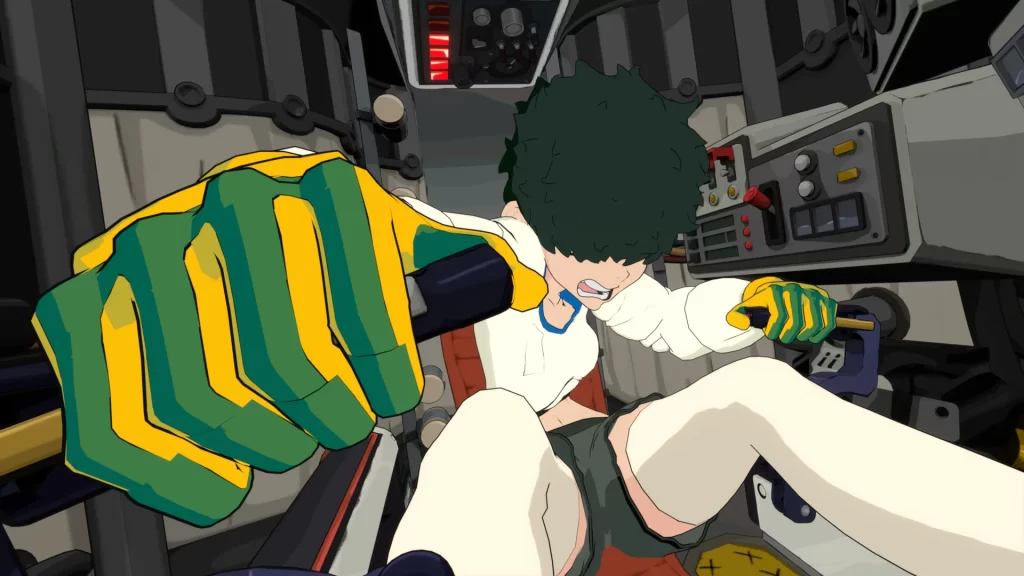
Its art direction embraces exaggerated anime energy without losing visual coherence. Character portraits overflow with personality. Mechs look distinctive and memorable. Battle animations carry tremendous impact. The UI is stylish while remaining readable.
Most importantly, the game avoids the sterile visual identity many modern tactical RPGs suffer from.
Everything feels alive.
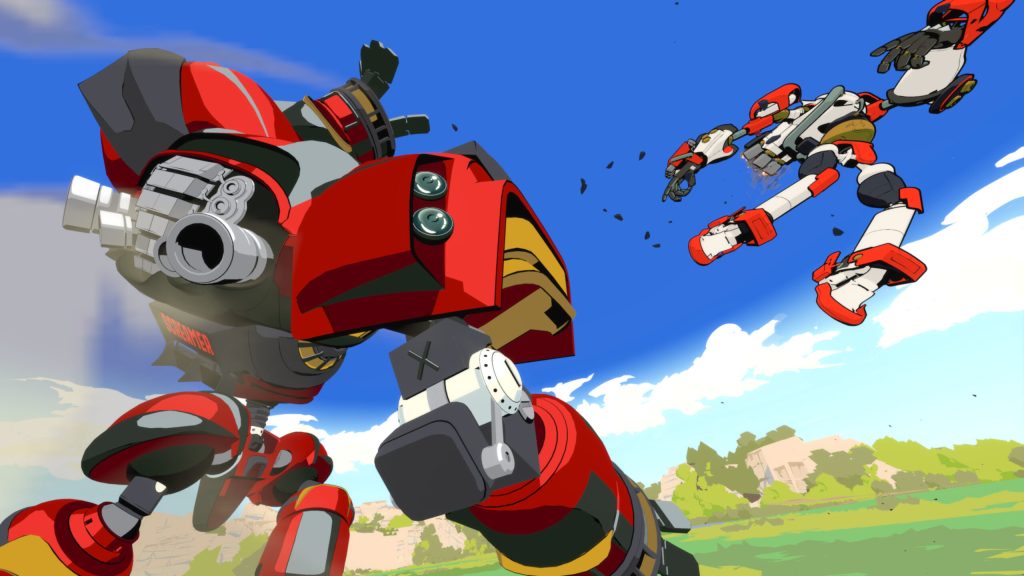
Combat sequences especially deserve praise. The cinematic framing transforms even standard attacks into dramatic events. Explosions hit with satisfying force. Camera movement adds energy without becoming disorienting. There’s confidence in the presentation that elevates every battle.
The soundtrack helps enormously too.
Music shifts between melancholic atmospheric tracks during exploration and adrenaline-fueled battle themes during combat. Some tracks lean heavily into classic anime inspiration, while others sound closer to western sci-fi cinema. That hybrid identity mirrors the game itself.
Performance is surprisingly solid as well. For a visually ambitious indie tactical RPG with heavy animation work, optimization is excellent across most platforms according to both player impressions and reviewers.
That technical stability matters because the game asks players to invest dozens of hours into long campaigns. Constant performance problems would have been devastating here.
Thankfully, they’re largely absent.
Where the Game Struggles
As ambitious as NITRO GEN OMEGA is, it isn’t flawless.
The biggest issue is pacing.
Because the game combines tactical combat, crew management, open-world exploration, resource systems, relationship mechanics, and RPG progression simultaneously, certain stretches can feel bloated. There are moments where you spend more time managing menus and logistics than actually progressing.
Players looking for a streamlined tactical RPG experience may bounce off hard.
The onboarding process also remains rough despite improvements during Early Access. Tutorials explain mechanics adequately, but the sheer volume of interconnected systems creates information overload during the opening hours. The game assumes patience from its audience.
Some players will absolutely love that complexity.
Others will find it exhausting.
Procedural storytelling, while impressive, occasionally creates uneven emotional pacing too. Certain character interactions feel deeply personal and memorable. Others feel repetitive or underdeveloped because of the procedural structure supporting them.
The combat system, despite being excellent overall, can sometimes become visually chaotic during especially large encounters. New players may struggle reading timelines and anticipating enemy behavior clearly.
There’s also an unavoidable issue with repetition after extremely long play sessions. Even strong combat systems eventually reveal patterns, and some mission structures begin feeling familiar after dozens of hours.
Still, most of these problems stem from ambition rather than laziness.
The game tries to do an enormous number of things simultaneously. It doesn’t execute every single idea perfectly, but the overall experience remains compelling because the developers clearly committed fully to their vision.
Community Response Feels Earned
Since launch, player reception has been largely positive, particularly among tactical RPG fans and mech enthusiasts. Steam reviews currently sit in “Very Positive” territory, with many players praising the game’s originality and style.
Community discussions repeatedly highlight the same strengths: cinematic combat, crew relationships, stylish presentation, and surprisingly emotional storytelling. Some players compare the game to classics like Skies of Arcadia, Valkyria Chronicles, Into the Breach, and BattleTech, though NITRO GEN OMEGA ultimately feels distinct from all of them.
That originality matters.
In a genre filled with spiritual successors and nostalgia projects, NITRO GEN OMEGA feels willing to take creative risks. Even when those risks don’t fully succeed, the effort itself becomes admirable.
Final Verdict
NITRO GEN OMEGA is not a perfect tactical RPG.
It’s occasionally overwhelming, sometimes messy, and undeniably demanding. The game asks players to invest attention, patience, and emotional energy into systems that can initially feel intimidating. Some people will bounce off within the first few hours.
But players willing to meet it halfway will discover something genuinely special.
Few games this year combine style, strategy, emotional storytelling, and systemic depth this confidently. Fewer still manage to make giant robot battles feel this personal. NITRO GEN OMEGA succeeds because it understands an important truth about mech stories: the machines matter less than the people piloting them.
Underneath the explosions, flashy attacks, and anime theatrics is a game about trust, survival, exhaustion, friendship, and fragile human connection in a dying world.
And somehow, despite all the chaos surrounding it, that humanity becomes the thing you remember most.
For fans of tactical RPGs, mecha anime, or deeply systemic character-driven games, NITRO GEN OMEGA is one of 2026’s easiest recommendations.
It may not be the cleanest or most accessible strategy RPG released this year.
But it might be the one with the most soul.
