
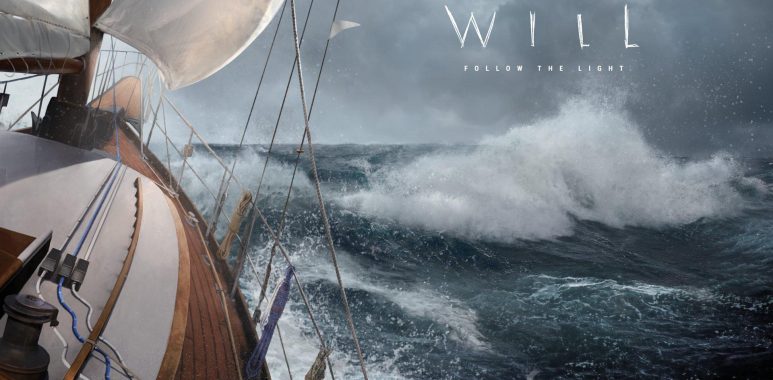
WILL: Follow The Light Review — A Lonely Voyage Through Grief, Ice, and Hope
There are games that entertain you for a weekend, and then there are games that quietly stay with you long after the credits roll. WILL: Follow The Light belongs to the second category. It is not loud, fast, or obsessed with spectacle. Instead, it is a deeply personal narrative adventure that asks for patience, emotional investment, and a willingness to sit with silence.
Developed by TomorrowHead Studio, WILL: Follow The Light launched on May 7, 2026 for PC, PlayStation 5, and Xbox Series X|S. The game places players in the boots of Will, a lighthouse keeper whose isolated life is shattered when he receives a devastating radio message: disaster has struck his hometown, and his son is missing. From that moment onward, the game transforms into a haunting journey across icy northern waters, snow-covered wilderness, and the emotional wreckage of a fractured family.
At first glance, it looks like another atmospheric “walking simulator” inspired by games like Firewatch or Alan Wake. But the deeper you get into it, the clearer it becomes that WILL: Follow The Light has ambitions beyond genre labels. It wants to immerse players in solitude. It wants them to feel uncertainty. Most importantly, it wants them to reflect on fathers, sons, regret, and the emotional distance people create between each other.
Sometimes it succeeds brilliantly.
Sometimes it stumbles badly.
But even at its weakest, the game remains fascinating.
A Story Built on Isolation
The opening hour of WILL: Follow The Light is remarkably restrained. There are no explosions, no dramatic cinematic battles, and no frantic tutorials screaming at you from every corner of the screen. Instead, the game introduces you to routine.
You maintain a lighthouse.
You monitor weather systems.
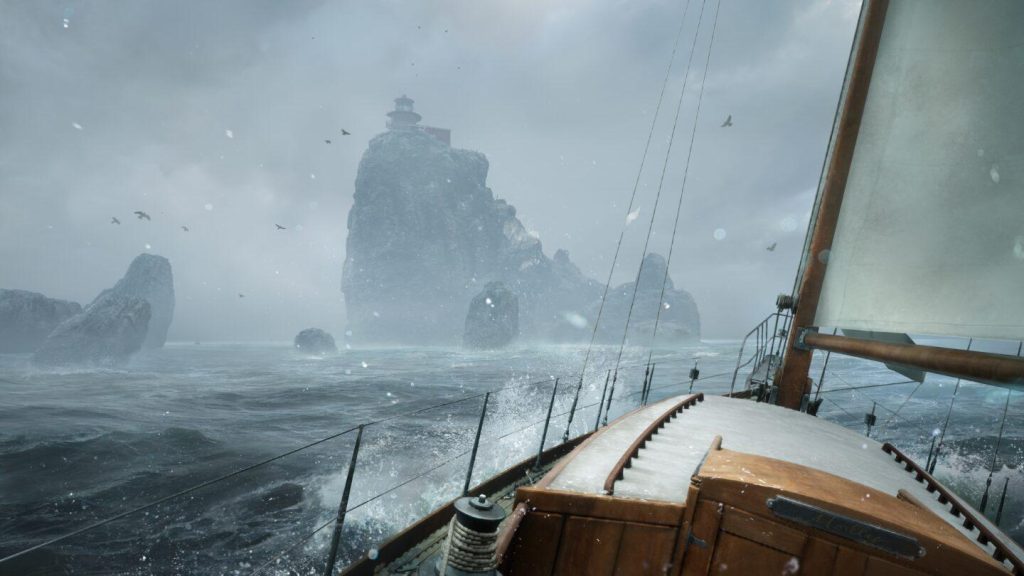
You move through cramped living quarters while waves crash outside.
The silence is almost oppressive.
Then the radio message arrives.
That single moment changes the emotional tone of the entire experience. Will’s journey is no longer just about survival or exploration; it becomes a desperate search for connection. The narrative slowly reveals fragments of Will’s strained relationship with his son, his unresolved feelings toward his own father, and the emotional scars carried throughout generations of men who struggle to communicate honestly.
What makes the writing effective is how understated it is. The game rarely overexplains emotions. Instead, it trusts environmental storytelling, pauses in dialogue, and lonely stretches of travel to communicate what characters are feeling.
At times, the storytelling feels closer to literary fiction than a traditional video game narrative.
You can feel the influence of slower, contemplative adventure games, but WILL: Follow The Light also carves out its own identity through its harsh Arctic atmosphere and sailing mechanics. The emotional themes are woven into gameplay itself. Every storm feels symbolic. Every distant light on the horizon becomes a metaphor for hope, memory, or escape.
The game constantly asks one question:
How far would you go to repair something already broken?
The Northern Wilderness Is the Real Star
If there is one area where WILL: Follow The Light unquestionably shines, it is atmosphere.
This game is absolutely stunning.
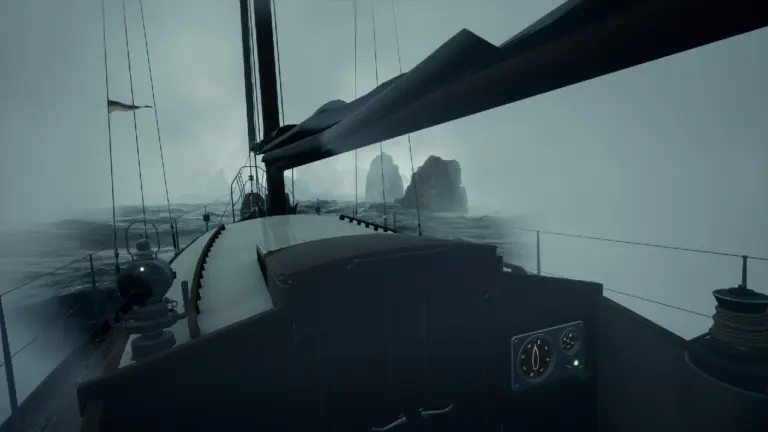
Built using Unreal Engine 5, the environments are breathtaking in a way screenshots almost fail to capture. The frozen seas stretch endlessly beneath grey skies. Snowstorms swallow entire landscapes. Auroras dance above dark water while your tiny boat struggles against violent waves.
There are moments when the game looks photorealistic.
But more importantly, the world feels cold.
That might sound strange, but few games truly communicate temperature through visuals and sound design. WILL: Follow The Light does. You can almost hear the frozen air cutting through the wind. Wooden cabins creak like they’re barely surviving the winter. Water crashes against metal hulls with terrifying force.
The environmental audio deserves special praise. The soundscape constantly reinforces isolation. Sometimes all you hear is wind, distant creaking, and your own footsteps in snow. Then, suddenly, the soundtrack swells with haunting ambient music that feels both beautiful and deeply melancholic.
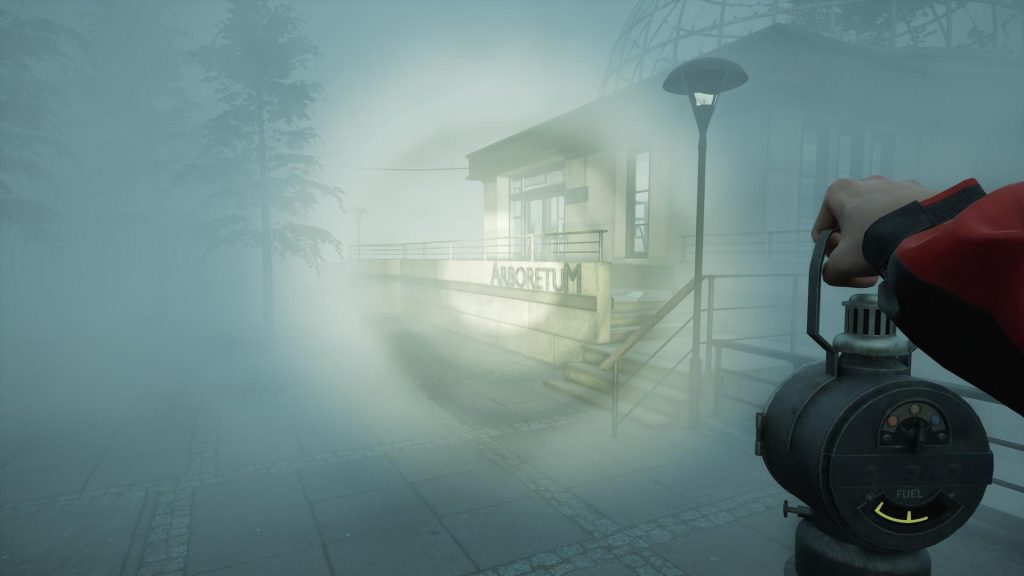
The game’s use of lighting is especially impressive. Lighthouses, lanterns, flares, and distant windows become emotional anchors in a world dominated by darkness and uncertainty. Light is not merely visual design here; it is thematic storytelling.
That title is doing a lot of work.
And thankfully, the game earns it.
Sailing Mechanics: Surprisingly Deep and Immersive
One of the biggest surprises in WILL: Follow The Light is how seriously it takes sailing.
This is not arcade boating.
You actually need to pay attention to navigation systems, weather conditions, and your yacht’s positioning. According to the developers, the mechanics were inspired by real voyager experiences while still being accessible enough for casual players.
For the most part, that balance works.
Controlling Will’s sailing yacht, Molly, becomes one of the most immersive parts of the game. There’s something strangely calming about steering through icy waters while checking maps and instruments under dim cabin lighting. During calmer moments, the game almost becomes meditative.
Then storms arrive.
The sea turns violent, visibility disappears, and navigation suddenly becomes tense and stressful. These sequences create some of the game’s strongest moments because they force players to focus entirely on survival.
Unlike many modern games that constantly bombard players with objectives and markers, WILL: Follow The Light often leaves you feeling genuinely uncertain about where you are. That uncertainty becomes part of the emotional experience.
However, the sailing mechanics are also where pacing issues occasionally emerge. Some travel sections drag longer than necessary, and there are moments where realism begins to conflict with momentum. Players looking for fast progression may find parts of the game frustratingly slow.
But honestly, I think the slowness is intentional.
This is a game about loneliness.
It wants you to sit in silence.
Whether that works for you depends entirely on your patience.
Puzzles: Intelligent but Uneven
The puzzle design in WILL: Follow The Light is probably the most inconsistent aspect of the experience.
At their best, the puzzles feel grounded and immersive. You operate authentic weather equipment, solve navigation problems, repair systems, and interact with believable environmental machinery. These moments fit naturally into the world and reinforce the feeling that you are surviving in a hostile environment.
Some puzzle sequences are genuinely excellent because they avoid typical video game logic. Instead of absurd contraptions or overly abstract riddles, the game focuses on practical problem-solving rooted in realism.
Unfortunately, not every puzzle reaches that level.
Several sections become repetitive, particularly involving electrical systems and circuit-based interactions. Critics have pointed this out repeatedly, and it’s easy to understand why. Some mechanics are reused too often, slowing down narrative momentum right when the story should be intensifying.
There are also moments where the game’s direction becomes unclear. Objectives can feel vague, and checkpoints occasionally create unnecessary frustration. You sometimes know what the game wants emotionally but not mechanically.
That disconnect can pull players out of the experience.
Still, even weaker puzzle sections rarely ruin the game because the atmosphere remains so compelling. You keep moving forward not necessarily because the mechanics are perfect, but because you want to see where the story goes next.
A Game Obsessed With Fathers and Sons
The emotional core of WILL: Follow The Light revolves around generational trauma.
That sounds heavy, because it is.
The game repeatedly explores the emotional distance between fathers and sons. Will’s relationship with his missing child reflects unresolved wounds from his own upbringing, creating a cycle of silence, regret, and emotional repression.
The writing never becomes melodramatic, which is exactly why it works.
Characters often communicate indirectly. Conversations feel incomplete. Memories appear fragmented and uncertain. The game trusts players to piece together emotional truths rather than delivering dramatic exposition dumps.
By the final act, the story becomes surprisingly devastating.
Several reviewers described the ending as deeply emotional, and that reaction feels justified. The game slowly transforms from a survival mystery into something far more introspective — a meditation on guilt, parenthood, and emotional avoidance.
Without spoiling specific story beats, the final hours hit hard because the game spends so much time building emotional isolation first. When moments of vulnerability finally arrive, they carry genuine weight.
Not every narrative twist lands perfectly. Some players may find portions of the plot overly ambiguous or fragmented. But emotionally, the game absolutely succeeds.
It made me think about relationships long after I stopped playing.
That alone is impressive.
The Performances and Presentation
This is where things become complicated.
Visually, the environments are extraordinary.
Character models? Less so.
Several reviews criticized the uncanny facial animations and inconsistent voice acting, and those criticisms are fair. There are moments when emotional scenes lose impact because facial expressions feel stiff or unnatural.
The animation quality fluctuates noticeably between sequences. Some cinematics look polished and cinematic, while others feel awkwardly unfinished.
Voice acting is similarly inconsistent.
Certain performances feel intimate and believable, especially during quieter reflective moments. Others sound oddly flat, which occasionally weakens emotionally important scenes.
But strangely, these imperfections never completely destroyed my immersion.
In a weird way, the rough edges almost suit the game’s independent spirit. This is clearly an ambitious project made by a smaller studio aiming far beyond its budget limitations. Sometimes that ambition creates breathtaking moments. Other times, it exposes technical limitations.
Still, I’d rather play a flawed game with genuine artistic ambition than a perfectly polished game with nothing meaningful to say.
And WILL: Follow The Light absolutely has something meaningful to say.
Pacing Will Divide Players
This is not a game for everyone.
That needs to be said clearly.
If you dislike slow exploration games, long stretches of silence, or deliberately paced storytelling, WILL: Follow The Light may test your patience. Some sections move at an almost meditative speed. There are moments where the game seems more interested in mood than immediate engagement.
Personally, I admired that commitment.
The pacing allows atmosphere to breathe. It gives emotional scenes room to settle. It creates genuine loneliness rather than simply telling players they are isolated.
But there’s a thin line between contemplative and tedious.
Occasionally, the game crosses it.
Certain travel segments overstay their welcome, and repeated puzzle mechanics can create fatigue. The narrative momentum sometimes weakens in the middle chapters before recovering strongly toward the ending.
Still, the relatively short runtime — roughly six to eight hours for most players — prevents the experience from becoming exhausting. The game knows it cannot sustain this emotional intensity indefinitely, so it wisely avoids unnecessary bloat.
Music and Sound Design
The soundtrack deserves far more recognition than it will probably receive.
Rather than relying on constant orchestral swells, the music appears selectively, often blending experimental ambient textures with sparse instrumentation. When combined with environmental sounds, the result becomes deeply immersive.
The silence is just as important as the music itself.
You hear waves hitting the hull.
Wind cutting through frozen cliffs.
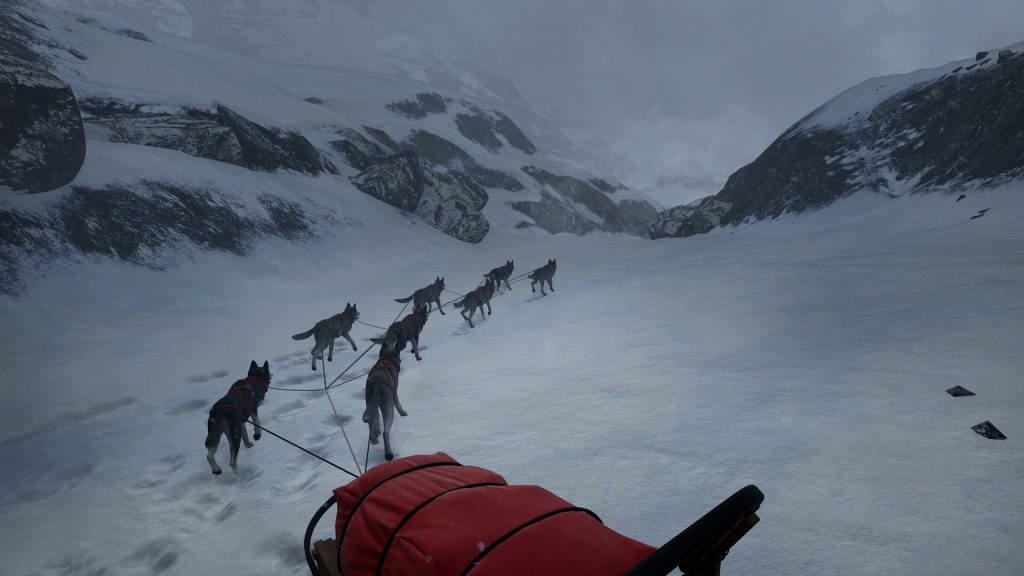
Dogs breathing during sled sequences.
Distant wooden structures groaning beneath snow.
The game’s audio design constantly reinforces emotional vulnerability. Even simple actions feel weighted because the soundscape is so carefully constructed.
Playing with headphones is practically mandatory.
The Dog Sled Sequences
Yes, there are dog sled sequences.
And yes, they’re fantastic.
These moments provide a welcome contrast to the sailing gameplay while maintaining the same atmosphere of harsh survival. Crossing frozen landscapes with only dogs and fading light guiding your path creates some of the game’s most memorable imagery.
The sled sections also reinforce the game’s core themes about trust, endurance, and moving forward despite emotional exhaustion.
Mechanically, they are simpler than the sailing systems, but emotionally, they work beautifully.
Final Verdict
WILL: Follow The Light is not a perfect game.
Its puzzles can become repetitive. Its pacing occasionally drifts. Character animations sometimes undermine emotional scenes, and technical roughness is impossible to ignore.
But despite all of that, this game possesses something many bigger-budget titles completely lack:
Soul.
It feels personal.
Every snowy shoreline, every lonely storm, every exhausted conversation feels crafted by people who genuinely cared about what they were making. TomorrowHead Studio clearly aimed for emotional authenticity over commercial safety, and that ambition deserves respect.
This is a game about grief, regret, fatherhood, loneliness, and the desperate hope that damaged relationships can still be repaired. Wrapped around those themes is one of the most atmospheric adventure experiences released in recent years.
Some players will bounce off its slow pacing immediately.
Others will find themselves completely absorbed.
If you enjoy narrative-driven adventures that prioritize atmosphere and emotional storytelling over action, WILL: Follow The Light is absolutely worth experiencing. It may frustrate you at times, but it will almost certainly leave an impression.
And honestly, that matters more than perfection.
Score: 8/10 — A haunting, emotionally resonant journey across frozen seas that occasionally stumbles mechanically, but succeeds where it matters most: making you feel something real.
