

Vultures – Scavengers of Death: A Gritty Blend of 90s Horror and Tactical Tension
I’ll be honest—I went into Vultures – Scavengers of Death with pretty low expectations. Another indie trying to mash up genres? Sure, why not. But damn if this little game from Team Vultures (published by Firesquid) didn’t sink its hooks into me right from the start. Released on May 13, 2026, it’s a tactical turn-based survival horror title that wears its Resident Evil and Silent Hill influences like a badge of honor while throwing in XCOM-style squad management (well, solo operative management, really). At around $14-18 on Steam with the launch discount, it’s punching above its weight in atmosphere and clever design, even if it stumbles a bit technically.
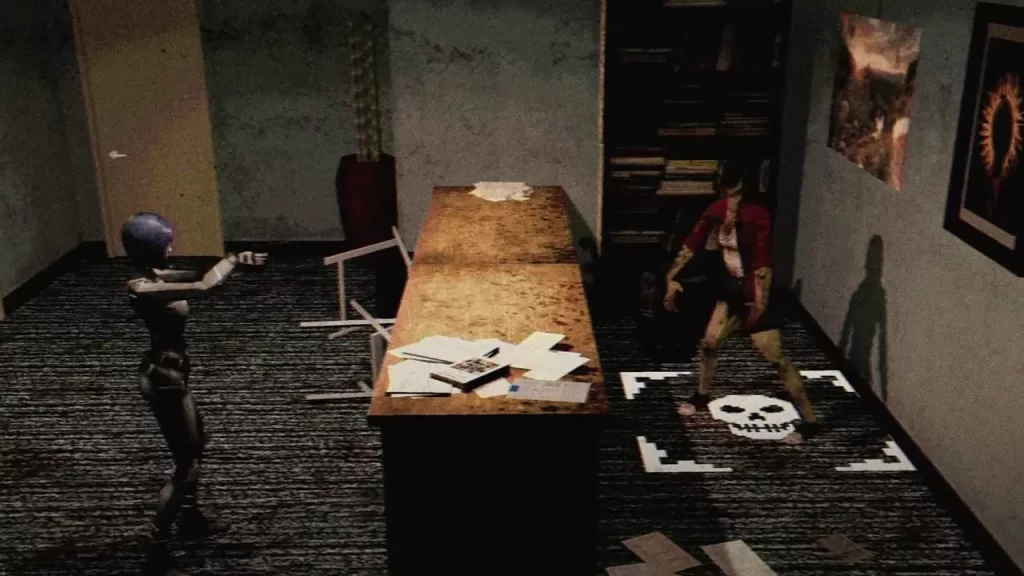
The game drops you into the ruined Salento Valley, a once-bustling metropolis turned quarantine nightmare after a bio-hazard incident tied to the shady Eugenesys corporation. You play as part of the VULTURE team—mercenary operatives hired to scavenge for materials, intel, and anything that might lead to a cure for the infection turning people into grotesque mutants. It’s classic B-movie horror setup, but executed with surprising heart and tension.
Story and Setting: Familiar, But Effectively Creepy
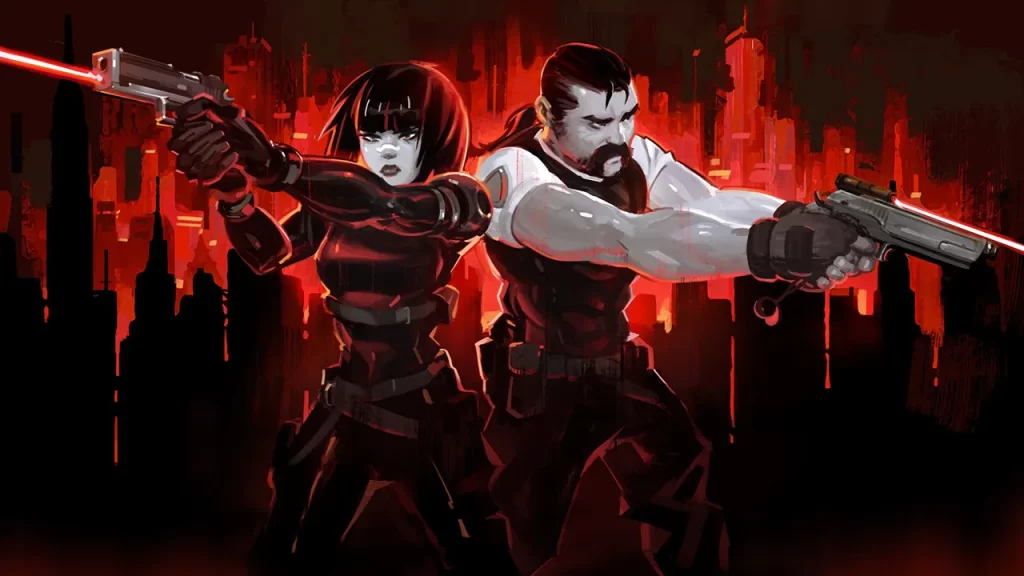
The narrative follows two main operatives: Leopoldo and Amber. Leopoldo is the tanky, duty-bound guy—think Chris Redfield with a stricter moral code. He’s all about brute strength, pushing objects, and smashing through encounters. Amber is the agile, analytical one, equipped with a grappling gun for traversal and positioning. Their missions are assigned separately at first, with some overlap later, and you get to choose the order, which adds a bit of agency.
The story itself is serviceable but not groundbreaking. Cutscenes are mostly radio briefings with your handler Satsuki and the enigmatic client Alexei. There’s corporate conspiracy, a cult angle, tragic backstories hinted at, and the usual “what have we done” vibes. It doesn’t reach the campy highs of classic Resident Evil or the psychological depth of Silent Hill, but it does enough to keep you invested between the scares and gunfights. Characters feel a tad underdeveloped—more archetypes than fully realized people—but their voice acting is solid, and the sparse dialogue lands with the right amount of grim determination.
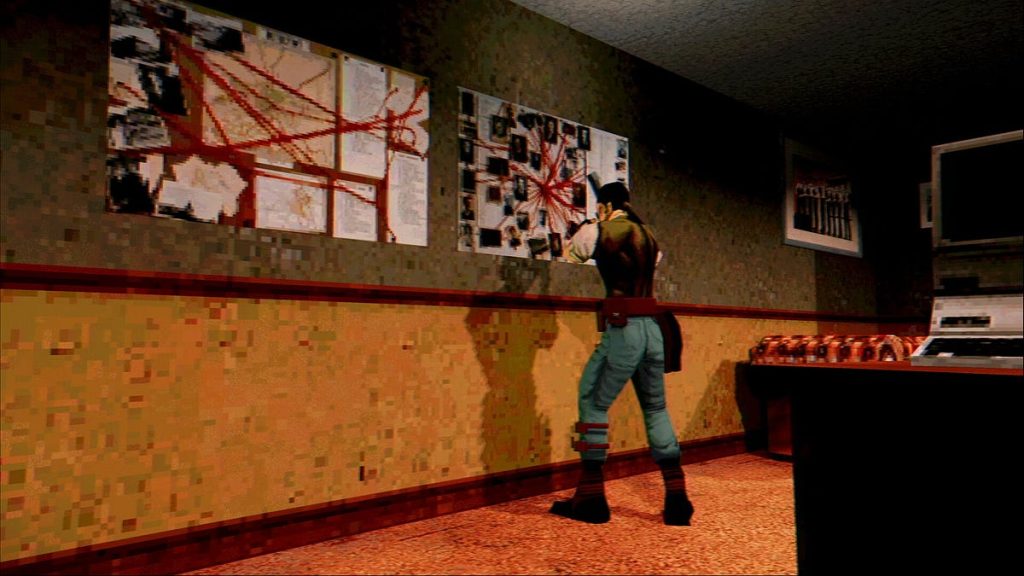
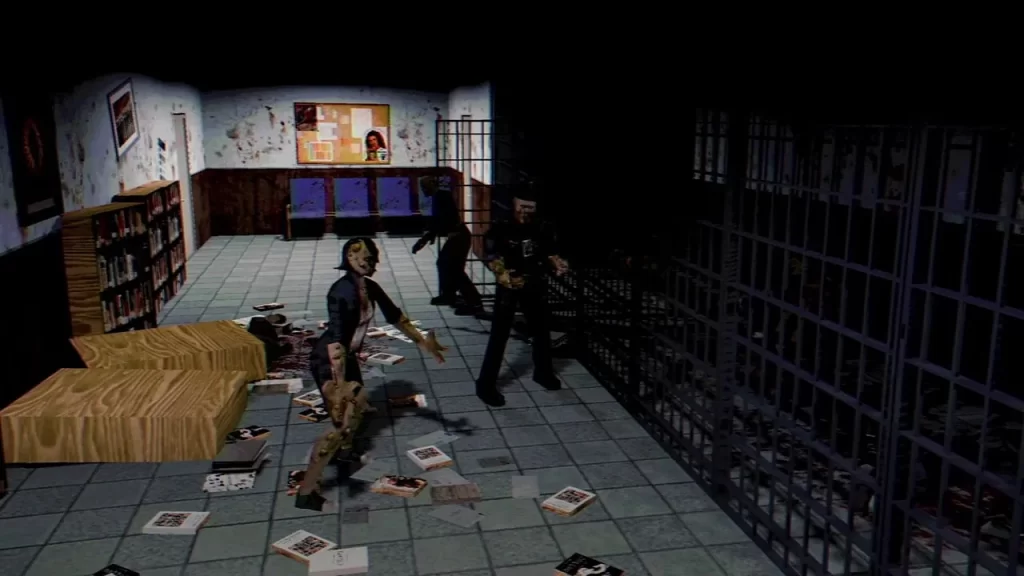
What really shines is the world-building through environment. Salento Valley’s fall is told via abandoned notes, blood-splattered logs, flickering security footage, and the decaying remnants of everyday life. You’ll creep through overrun police stations, derelict mansions, underground labs, military outposts, and abandoned prisons. Each location feels lived-in (or rather, died-in), with that perfect PS1-era low-poly charm enhanced by a CRT filter option that I toggled on and off depending on my mood. The ambient audio—distant groans, creaking metal, buzzing fluorescents—does heavy lifting for immersion. Turn the lights off and play with headphones; it’s genuinely unsettling.
One mission early on had me exploring an old hospital wing. The power flickers, doors slam shut behind you, and you hear wet footsteps echoing. My heart rate actually picked up. It’s not revolutionary, but it nails the feeling of 90s survival horror in a way few modern games do.
Gameplay: Where the Magic (and Tension) Happens
This is where Vultures separates itself. It’s not just “Resident Evil but turn-based.” It’s a thoughtful hybrid that makes both genres better.
Exploration is real-time but deliberate. You control one operative per mission, moving on a grid with options to walk, run, or sneak. Sneaking lets you set up ambushes or avoid fights entirely—super useful when ammo is tight. Fog of war and line-of-sight mechanics (influenced by light sources) recreate that classic fixed-camera dread using modern tactics tools. You never feel fully safe; every new room could hide a lurching abomination.
When combat kicks off, it shifts to full turn-based. You have Action Points (AP) and Movement Points (MP)—typically 3 each, modifiable by gear. Positioning is everything. You can target specific body parts: headshots for big damage, legs to cripple mobility, etc. Enemies are varied enough—standard shamblers, rushers, burrowers, spitters, and some tougher bosses. They hit hard, especially in groups, and since you’re alone, one bad turn can spiral.
Resource management is brutal and brilliant. Ammo, health packs, and even inventory slots are limited. You’ve got a trusty pistol and knife that can’t be dropped, plus scavenged weapons like shotguns (great for stunning crowds up close), assault rifles (spray for groups), and melee options. Upgrades and a market back at “The Nest” (your hub) let you spend credits from valuables on better gear or cosmetics. It’s got light roguelike elements in replayability and risk-reward scavenging.
Leopoldo and Amber play differently enough to matter. Leopoldo can shove enemies or objects for environmental kills or barricades. Amber’s grapple adds verticality and escape routes. Missions are puzzle-light but involve key hunting, panel hacking, and backtracking—pure survival horror DNA. Objectives mostly boil down to “reach the extraction point with the target item,” but the journey is the point.
I died a fair few times on my first playthrough (about 12-15 hours for the main campaign, more for completionist stuff). Early game feels generous with resources, but it tightens the screws later, forcing tough choices: use that last medkit now or save it? Push for the shiny new rifle or play it safe? The difficulty curve feels earned, and victories taste sweet because of it.
The Good, The Atmospheric, and The Buggy
Pros:
- Atmosphere is top-tier. Low-poly visuals with excellent lighting, sound design, and enemy models create constant dread. The CRT filter is a nice touch for purists.
- Combat depth. Targeting, positioning, stealth integration, and weapon variety make every encounter a tactical puzzle. It respects your intelligence.
- Pacing. Short-to-medium missions with hub returns prevent burnout while building progression.
- Value. For the price, especially on sale, there’s solid replayability with different agent orders, difficulty settings, and achievements.
- Faithful yet fresh. It captures 90s horror soul without just copying. The tactics layer adds replay value that pure survival horror often lacks.
Cons:
Technical issues are the big one. As a small team’s debut, it launched a bit rough. I encountered inventory glitches, softlocks, disappearing items, UI overlaps, and a couple progression-breaking bugs that forced mission restarts. Patches are coming (they’ve already dropped a few), but it hurts the immersion when you’re deep in a tense hour-long mission and have to abort.
Story is thin. Locations, while atmospheric, lean heavily on familiar tropes without enough unique twists. Enemy variety is good but could be broader. No multiplayer or co-op, which makes sense thematically but might limit appeal for some.
Controls are mostly smooth with mouse/keyboard (controller support exists but feels secondary). Camera can occasionally clip or obscure things post-cutscene.
Who Should Play It?
If you love Resident Evil remakes or classics, XCOM, Into the Breach, or any game that rewards patience and planning, give Vultures a shot. It’s perfect for fans of tense, resource-starved horror who don’t mind grid-based tactics. Horror newbies might find the permadeath-lite and resource stress punishing at first, but it’s fair.
On Steam, it’s sitting at Very Positive with early reviews praising the atmosphere and blend. I’d echo that, but with the caveat to wait a patch or two if you’re bug-averse.
Final Thoughts: A Promising Scavenger
Vultures – Scavengers of Death isn’t flawless. It’s rough around the edges, derivative in places, and technically needs more polish. But in a sea of safe AAA releases and endless live-service slop, this scrappy indie feels alive. It takes real risks by fusing genres in a way that feels natural rather than forced. The result is a game that delivers genuine scares through smart mechanics, not just jump scares, and satisfying “just one more mission” loops.
Team Vultures has created something special here—a love letter to 90s horror that actually evolves the formula. With post-launch support (which they seem committed to), it could become a cult classic. As it stands, it’s a strong recommend for genre fans, especially at the launch price. I can’t wait to see what these devs do next. Maybe a bigger sequel with co-op or expanded campaigns?
If you’re on the fence, watch some gameplay vids, try the demo if it’s still up, and dive in. Just keep your knife handy and don’t trust the quiet hallways.
